
Health Strikes Loom Over 2027 Budget Omissions
MP Dr. Nana Ayew Afriye warns the 2027 Budget fails to provide financial clearance for 120,000 unposted nurses, sparking fears of major health sector strikes.



Ghana’s Health Sector Crisis: 120,000 Unposted Nurses
This article covers 2027 budget and what it means for you. Dr. Nana Ayew Afriye’s estimate of 120,000 unposted nurses represents six years of graduates (roughly 20,000 per year) who have yet to be integrated into the national health system.
The stability of Ghana’s healthcare system is facing a critical threat as warnings of a widespread health sector strike 2027 begin to surface. Dr. Nana Ayew Afriye, the Member of Parliament for Effiduase-Asokore and the ranking member of the Parliamentary Health Committee, has raised alarms over a massive backlog of unposted nurses Ghana currently faces. According to Dr. Afriye, the number of qualified nurses awaiting formal deployment has swelled to an estimated 120,000 across six different cohorts.
This backlog is the result of a consistent gap between the number of graduates entering the workforce and the government’s capacity to absorb them into public health facilities. While the Nursing and Midwifery Council continues to induct thousands of new professionals annually—with more than 33,000 inducted in a single recent cycle—the lack of administrative action is leaving these skilled individuals in a state of professional limbo. Dr. Afriye cautioned that the frustration brewing among these young professionals, combined with unfulfilled promises made to existing staff, creates a volatile environment that could culminate in a total shutdown of health services by 2027.
The 2027 Budget and Financial Clearance Concerns
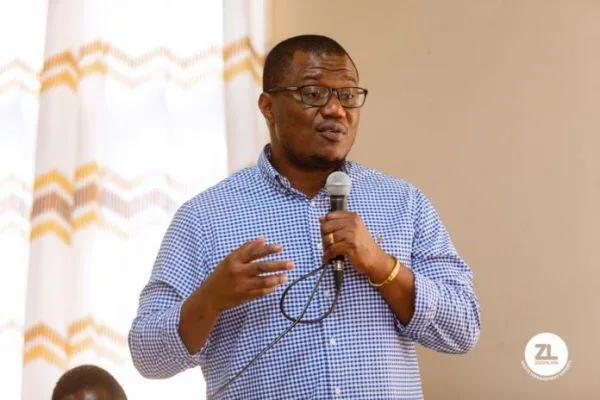
“The 2026 and 2027 budgets gave no financial clearance for doctors and nurses, which meant no recruitment in 2027.”
— Dr. Nana Ayew Afriye, MP for Effiduase-Asokore
Central to this looming crisis is the 2027 Budget, which critics argue fails to provide the necessary financial clearance for nurses and doctors. Financial clearance is the mandatory authorization from the Ministry of Finance that allows the Ministry of Health to recruit and pay new staff. Without this specific budgetary allocation, the government cannot legally add new personnel to the payroll, effectively halting all recruitment for the foreseeable future.
During a recent debate on the 2027 Budget, Dr. Afriye challenged his colleagues to scrutinize the fiscal document, noting that previous New Patriotic Party (NPP) budgets had consistently included these clearances. He highlighted that the absence of such provisions in the current and upcoming fiscal cycles suggests that the government’s rhetoric regarding automatic postings for health workers is not backed by actual funding. This legislative omission is viewed by many as a step toward preserving national heritage from political revisionism by ensuring that public records accurately reflect the government’s true commitments—or lack thereof—to essential services.
Agenda 111 and Infrastructure Doubts
The government’s flagship healthcare initiative, Agenda 111 Ghana, which aims to build over 100 district hospitals to bridge the infrastructure gap, has also come under fire. Dr. Afriye doubted the government’s Agenda 111 target, suggesting that the focus on physical structures is misguided if there is no plan to staff them.
Reports from 3news.com indicate that while the government continues to promote its infrastructure gains, the operational reality is far grimmer. Critics argue that a hospital is merely a building without the doctors, nurses, and midwives required to provide care. The skepticism surrounding Agenda 111 stems from the contradiction of building new facilities while simultaneously failing to provide financial clearance for the 120,000 unposted nurses who are currently ready to work. Furthermore, promised incentives such as a rural allowance, a 5 per cent on-call duty allowance, and a “13th-month” payment remain unpaid, further eroding trust between the state and health workers.
Contrasting Figures: Recruitment vs. Graduation Rates
To understand the scale of the impending crisis, one must look at the disparity between the output of health training institutions and the state’s hiring capacity. The following points outline the statistical disconnect mentioned in parliamentary discussions:
- Annual Graduates: Approximately 20,000 nurses qualify each year from various training institutions across the country.
- Cumulative Backlog: Dr. Afriye estimates that across six cohorts, the number of unposted nurses has reached 120,000.
- Recent Inductions: The Nursing and Midwifery Council recently inducted over 33,000 nurses and midwives, significantly outpacing current recruitment trends.
- Government Promises: Despite the high number of graduates, the government has historically promised hiring targets (such as 25,000 across multiple sectors) that do not specifically account for the total backlog in the health sector.
- Fiscal Omissions: The 2026 and 2027 budgets currently show zero financial clearance for new medical officers and nursing staff.
What This Means for Ordinary Ghanaians
For the average citizen, the failure to address these budgetary omissions translates directly into a decline in the quality and accessibility of healthcare. When 120,000 trained professionals are kept out of the workforce, existing hospitals become chronically understaffed. This leads to longer wait times, shorter consultation periods, and increased burnout among the current staff, which inherently raises the risk of medical errors.
The 2027 Budget is not just a document of numbers; it is a roadmap for the nation’s health. If the projected 2027 Budget highlights do not prioritize the immediate recruitment of these unposted nurses, the “New Economy Plan” may struggle under the weight of a failing social infrastructure. Without a swift resolution, the health sector strike of 2027 could leave millions of Ghanaians without access to emergency care, maternal services, and routine medical treatments, turning a budgetary oversight into a national emergency.
Frequently asked questions
Why is there a risk of a health sector strike in 2027?
Dr. Nana Ayew Afriye warned of widespread labour unrest in 2027 due to unpaid allowances and the massive backlog of unposted nurses.
How many nurses are currently awaiting posting in Ghana?
He estimates approximately 120,000 nurses are currently unposted, stemming from about 20,000 graduates qualifying annually over six cohorts.
What is ‘financial clearance’ in the context of the 2027 Budget?
The MP claims the 2027 budget lacks ‘financial clearance,’ which is the official authorization required to hire and pay new health professionals.
Related posts:
 Korle Bu Defends Lab Results as Dispute Raises Patient Safety Questions
 Health Ministry recruitment portal crashes on advertised mop-up application day
 Health Minister: Yellow Fever Situation Under Control
 Cetirizine: Pharmacists Warn Against Dangerous Trend
 Ghana to Produce First Locally Manufactured Vaccine by 2027