Cetirizine: Pharmacists Warn Against Dangerous Trend
Kenyan pharmacists warn against using Cetirizine for vaginal tightening. Learn why this viral social media craze is dangerous and what health experts advise.

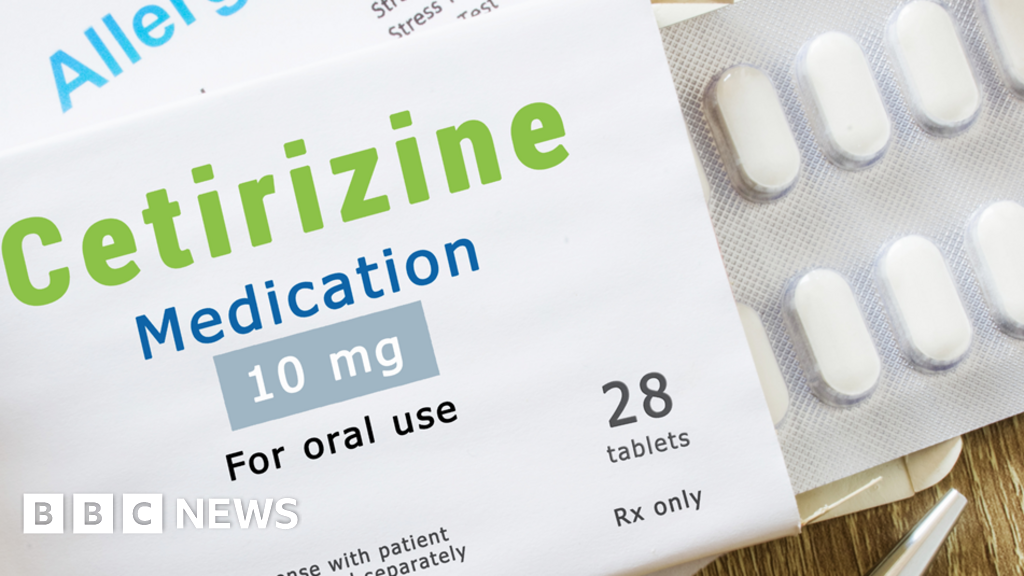

The Viral Craze Involving Cetirizine
In recent months, a concerning trend has emerged across social media platforms where Cetirizine, a common antihistamine, is being repurposed for off-label vaginal use. The viral craze involves influencers and anonymous users advising women to insert these oral tablets into the vagina. The unsubstantiated claim suggests that the medication can induce “tightening,” supposedly to enhance sexual pleasure or restore muscle tone. This vaginal tightening craze has gained significant traction, particularly in digital spaces where medical myths often bypass traditional verification channels.
The biological rationale behind this trend is based on a fundamental misunderstanding of pharmacological side effects. Cetirizine is designed to block histamine receptors to alleviate symptoms of hay fever and hives. A known side effect of systemic antihistamine use is the drying of mucous membranes. Proponents of this dangerous trend have incorrectly equated this chemical-induced dryness with physical tightness. Medical professionals emphasize that vaginal health relies on natural lubrication and elasticity, and attempting to eliminate these through the misuse of medication can lead to severe physiological damage.
Official Warnings from Kenyan Pharmacists
The Kenyan pharmacists warning came swiftly as the trend began to impact local communities. The Pharmaceutical Society of Kenya (PSK) issued a formal statement to debunk these sexual health myths and protect public safety. Experts clarified that while Cetirizine may cause dryness, this is a pathological state rather than a functional improvement. The PSK highlighted that oral medications are formulated with specific excipients and binders meant to be broken down by digestive enzymes and stomach acid, not the delicate environment of the vaginal canal.
Health experts in the region are concerned that the accessibility of over-the-counter antihistamines makes this trend particularly difficult to control. This situation underscores the critical need for robust Healthcare Policy and Safety frameworks that regulate how medications are marketed and discussed online. By intervening publicly, the PSK aims to mitigate the spread of antihistamine misuse before it leads to a surge in emergency room visits related to chemical burns or severe infections.
Risks of Vaginal Insertion of Oral Drugs
Cetirizine is an oral antihistamine designed to be processed by the digestive system. Inserting these tablets into the vaginal canal can cause severe irritation, chemical imbalances, and long-term tissue damage. Experts warn that the resulting ‘dryness’ is a side effect, not a functional improvement.
Inserting tablets designed for oral consumption into the vagina introduces a variety of medical risks that can have long-term consequences for reproductive health. The vaginal microbiome is a sensitive ecosystem that maintains a specific pH balance to prevent infection. Introducing foreign chemicals and tablet binders disrupts this balance significantly.
- Chemical Irritation and Burns: The ingredients in Cetirizine tablets can cause direct trauma to the vaginal mucosa, leading to inflammation, redness, and severe pain.
- Increased Infection Risk: By altering the natural pH and drying out protective mucus, the practice makes the area more susceptible to yeast infections and bacterial vaginosis.
- Tissue Injury: Instead of “tightness,” the resulting dryness leads to increased friction during intercourse, which can cause micro-tears in the vaginal wall.
- Systemic Toxicity: The vaginal walls are highly vascular; absorbing medications through this route that were not formulated for it can lead to unpredictable dosages entering the bloodstream.
- Scarring: Repeated irritation and chemical damage can lead to the formation of scar tissue, which may permanently alter vaginal elasticity and comfort.
The Role of Social Media in Medical Misinformation
The rapid dissemination of the Cetirizine myth highlights the ongoing challenge of social media medical advice. Platforms like TikTok and Facebook often prioritize engagement over accuracy, allowing dangerous health trends to go viral before medical authorities can provide a counter-narrative. In this case, the promise of a “quick fix” for complex physical concerns proved more shareable than the mundane reality of evidence-based medical care.
This phenomenon calls for a global discussion on Digital Compliance and Information Integrity. When influencers present themselves as health authorities without professional backing, the potential for public harm is immense. The lack of moderation for medical misinformation regarding reproductive health specifically targets vulnerable populations who may feel pressured by societal standards or lack access to confidential gynecological consultations.
Health Complications and When to Seek Help
“Experts say this does not strengthen muscles… antihistamines can sometimes cause dryness as a side effect, but this is not tightening.”
— BBC News/Wycliffe Muia
Women who have experimented with this practice may experience immediate or delayed health complications. Symptoms such as persistent itching, unusual discharge, intense burning, or bleeding after intercourse are signs that the vaginal environment has been compromised. It is essential to understand that these symptoms will not resolve by further self-medication; instead, they require professional diagnosis to prevent the development of chronic pelvic pain or secondary infections.
If you or someone you know has followed this trend, the most important step is to stop the practice immediately and consult a qualified healthcare provider. Doctors can provide treatments to restore the vaginal pH and heal any chemical abrasions. Addressing sexual health concerns should always involve a dialogue with a medical professional rather than following viral trends that lack scientific merit.
Frequently asked questions
Does Cetirizine actually tighten vaginal muscles?
No. Experts and the Pharmaceutical Society of Kenya state that the drug does not strengthen muscles; it only causes dryness, which is a harmful side effect.
What are the risks of using Cetirizine this way?
Common side effects of inserting oral drugs include severe irritation, chemical burns, infections, and disruption of the natural vaginal flora.
What should I do if I have already tried this?
If you have already used the drug in this manner, you are advised to stop immediately and seek medical attention if you experience pain, discharge, or irritation.
Related posts:
 Health Minister: Yellow Fever Situation Under Control
 DHIMS2 Health Data System Offline Over Unpaid Hosting Bill
 Korle Bu Defends Lab Results as Dispute Raises Patient Safety Questions
 Health Ministry recruitment portal crashes on advertised mop-up application day
 Ghanaian Healthcare Policy: Nursing Education Needs Labs