Eight Ghanaian Seafarers Return From Iran: Rescue Raises Questions Over Compensation and Consular Protection
Eight Ghanaian seafarers have returned from Iran after months in detention. Ghana promises to pursue compensation, but questions remain about consular protection and maritime workers' rights.



Eight Ghanaian seafarers detained for months in Iran have returned home following diplomatic intervention. Ghana’s Foreign Ministry says it will pursue compensation, but the case raises wider questions about emergency consular assistance, maritime workers’ rights and protection during international conflicts.
Accra — Eight Ghanaian seafarers who spent months detained in Iran have returned home following diplomatic negotiations between Ghanaian and Iranian authorities, bringing an end to their immediate ordeal but leaving questions about compensation, worker protection and emergency assistance unanswered.
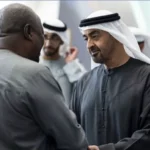
Ghana’s Minister for Foreign Affairs, Samuel Okudzeto Ablakwa, received the men and their families at the Ministry of Foreign Affairs on 16 November, according to an official ministry statement published on 19 November. The men had been aboard a fishing vessel detained amid conflict in the region. Their return represents a diplomatic intervention, but the ministry’s commitment to pursue compensation does not establish that a settlement has been agreed, that payment has been made or that responsibility has been legally determined.
Eight Ghanaian seafarers return from Iran: what is known?
Explore the diplomatic intervention, the questions still unanswered and what families can learn about reporting emergencies overseas.
How the diplomatic intervention unfolded
Select a reported milestone. Dates are attributed to Ghana’s Foreign Ministry.
A family petition
Mrs Doris Ahadzi submitted a petition concerning her child, who was among the detained seafarers.
Evidence limit: This does not establish when the men were initially detained.
What is confirmed, and what remains unknown?
The exact detention dates, vessel identity, flag state, ownership and legal basis of detention have not been independently established in the reporting reviewed.
Does a compensation pledge mean payment is guaranteed?
Continued assistance
The Foreign Ministry says it will work to ensure the men receive adequate compensation.
Settlement or payment
No confirmed amount, payer, settlement mechanism, timetable or completed payment is identified in the reviewed materials.
Possible employment-related claims may involve wages, contracts, repatriation expenses or other losses. Legal entitlement depends on the facts and applicable law.
Reporting an emergency involving a relative abroad
Use this checklist to prepare information for an official diplomatic or consular enquiry. Do not enter personal information into this page.
Gather what you can, then use official consular channels. Do not delay reporting an immediate emergency to complete every item.
This is a preparation guide, not an emergency reporting service. It does not send information to Ghana’s Foreign Ministry.
What about the proposed Diaspora Consular Fund?
Ghana has announced a proposal for a fund to assist citizens facing emergencies overseas. The announcement does not establish that the fund is fully operational or that it financed the eight seafarers’ return.
Five questions that still deserve answers
1. What were the exact detention circumstances?
A fuller account could clarify the dates, events and legal basis, subject to legitimate privacy and security considerations.
2. Who employed the seafarers?
The vessel’s owner, operator, flag state and employment contracts may affect the applicable obligations.
3. What support did the men receive?
Details of medical care, legal assistance, family communication and other support have not been fully established.
4. How will compensation be pursued?
The responsible parties, applicable process and any actual settlement should be distinguished from ongoing discussions.
5. What protections will improve?
The case offers an opportunity to examine maritime-worker recruitment, emergency contacts and consular response procedures.
Related posts:
 Ghana Evacuates 345 More Citizens from South Africa as Other African States Study Rescue Plan
 Ghana moves nearly 900 citizens to safe havens ahead of South Africa protests
 Otumfuo at Howard: Asantehene calls for deeper diaspora ties and development-focused traditional leadership
 Ghana Spends GH¢49.7M Evacuating Citizens From South Africa
 Ghana’s GH¢49.72m South Africa Evacuation Faces Fresh Scrutiny as Minority Demands Probe