
Ghana Pushes Border Cooperation as Sahel Insecurity Raises Regional Security Risks

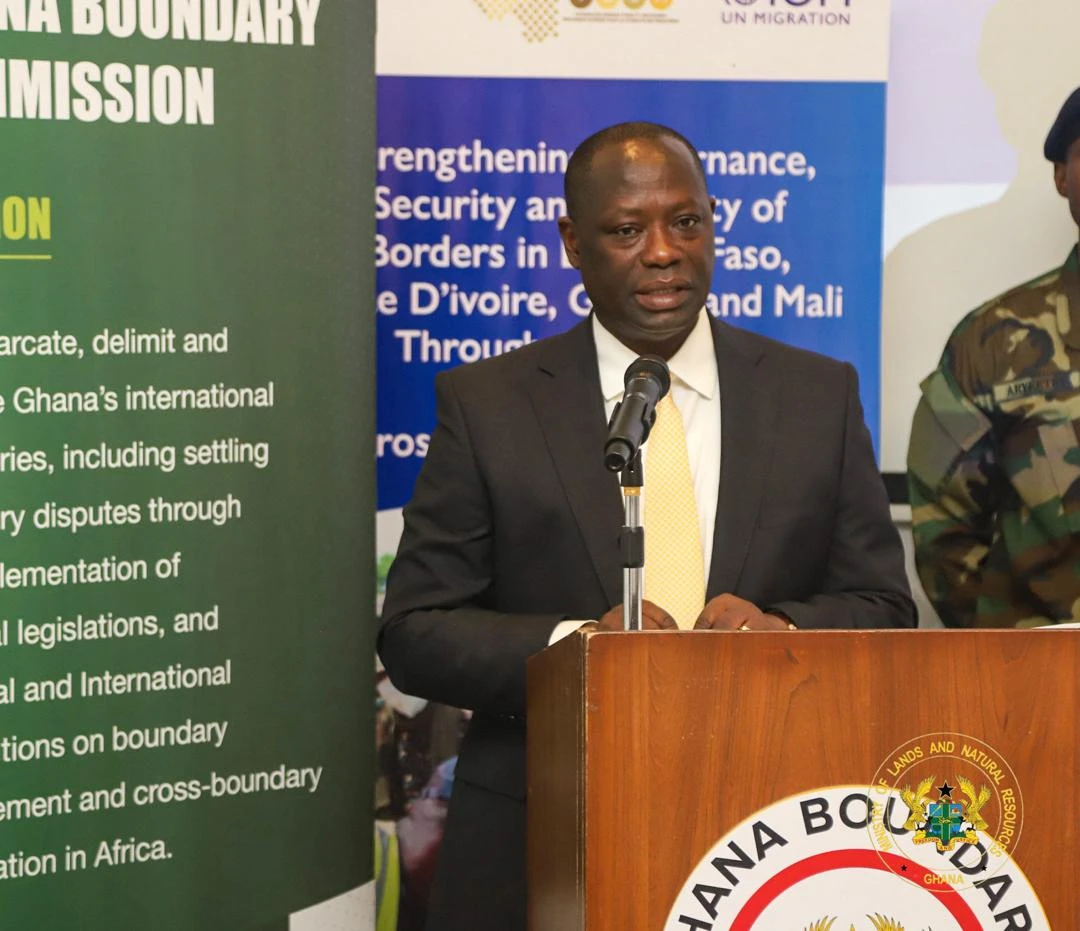

Ghana has called for stronger regional border cooperation as insecurity, irregular migration and organised cross-border crime place growing pressure on West African states and ECOWAS security frameworks.
ACCRA, Ghana —
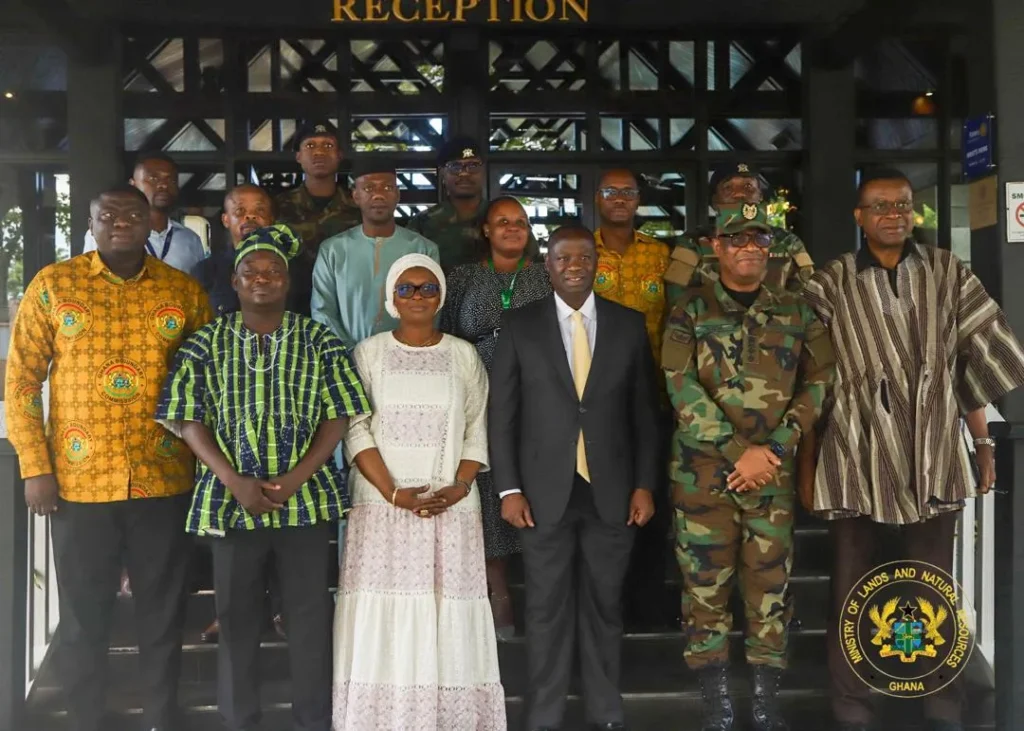
Ghana has renewed calls for stronger regional border cooperation as worsening insecurity across the Sahel increasingly threatens trade routes, migration flows and stability in parts of West Africa. The appeal came during the opening of a two-day sub-regional consultation in Accra involving border management officials from Ghana, Côte d’Ivoire, Burkina Faso and Mali, amid growing concern over extremist violence, organised smuggling networks and irregular migration across porous regional frontiers.
Lands and Natural Resources Minister Emmanuel Armah-Kofi Buah said closer cooperation among neighbouring countries was essential to strengthening border security, preserving regional stability and supporting long-term economic integration. The consultation, organised by Ghana’s Boundary Commission and regional directorates, is expected to review cross-border governance priorities and improve coordination on issues including trafficking, environmental degradation, migration pressures and transnational crime.
Sahel instability reshapes regional border priorities
The discussions come at a time of heightened tension across parts of the Sahel, where insurgent violence, trafficking routes and political instability have increasingly complicated regional security coordination. Burkina Faso and Mali continue to face prolonged security crises linked to armed extremist groups and military-led political transitions, while regional governments have repeatedly warned about the spillover risks of weapons trafficking, illicit trade and armed-group movement across weakly monitored border corridors.
Security analysts say deteriorating security conditions across the Sahel have increased the importance of intelligence sharing, coordinated patrols and diplomatic engagement between neighbouring states. Dr Kwesi Aning, Director of Academic Affairs and Research at the Kofi Annan International Peacekeeping Training Centre, said regional threats could no longer be addressed through isolated national responses.
“No country can effectively confront transnational threats in isolation,” he said. “What we are seeing across the Sahel increasingly requires intelligence sharing, coordinated patrols and stronger regional cooperation frameworks.” Regional insecurity has also increasingly disrupted transport corridors, informal trade routes and movement across parts of West Africa, raising economic and humanitarian concerns for neighbouring states.
Ghana calls for coordinated ECOWAS response
Mr Buah said effective border governance required sustained dialogue, mutual trust and harmonised policies capable of responding to increasingly complex regional challenges. He stressed that peaceful coexistence among neighbouring countries remained critical to preserving economic stability and strengthening broader ECOWAS integration efforts. Officials at the consultation also discussed ways to improve coordination between national border institutions and convert existing cross-border agreements into practical operational measures. According to participants, discussions focused on improving information sharing, aligning national border priorities and strengthening mechanisms for dispute resolution and cross-border cooperation.
Ghana Boundary Commission outlines long-term strategy
The Commissioner-General of the Ghana Boundary Commission, Brigadier General Anthony Ntem, said the consultation followed an earlier stakeholder engagement held on 13 May to review Ghana’s border governance priorities under its 10-year strategic framework. He said the latest meeting would help align Ghana’s priorities with those of neighbouring countries while improving regional coordination and cross-border cooperation. “This marks the first time sub-regional border commissions are meeting to coordinate and translate cross-border agreements into actionable interventions,” Brigadier General Ntem said. The Ghana Boundary Commission is responsible for managing Ghana’s land, maritime and air boundaries, including delimitation, dispute resolution and bilateral cooperation with neighbouring states.
Regional integration faces growing security tests.
Border cooperation and regional integration have become increasingly important policy priorities for ECOWAS as migration pressures, economic strain and security threats grow more interconnected across West Africa. Analysts say stronger governance frameworks could help reduce tensions between neighbouring countries while supporting lawful migration, trade flows and regional mobility.
The consultation in Accra also comes amid wider debate over the effectiveness of regional security coordination after diplomatic tensions between ECOWAS and military-led governments in parts of the Sahel strained relations in recent years. Officials said recommendations from the meeting would be submitted to participating governments and regional institutions as part of broader efforts to strengthen coordinated border management and long-term regional stability across West Africa.
Sources: GNA
Reporting and analysis by Nukunya News Desk.
Related posts:
 Only one Ghanaian reports for South Africa evacuation flight amid xenophobia fears
  Ghana’s inflation slows for third consecutive month as food prices ease
  Ghana Partners Google for Education to Expand AI and Digital Skills in Schools
  Ghana Repatriates Nearly 300 Citizens From South Africa Amid Migrant Tensions
  Nearly 300 Ghanaians evacuated from South Africa arrive in Accra amid anti-immigration protests