Extreme Heat: 5 Effective Ways to Protect Yourself During High Temperatures


Follow Nukunya
Get the latest breaking news and updates from Nukunya.
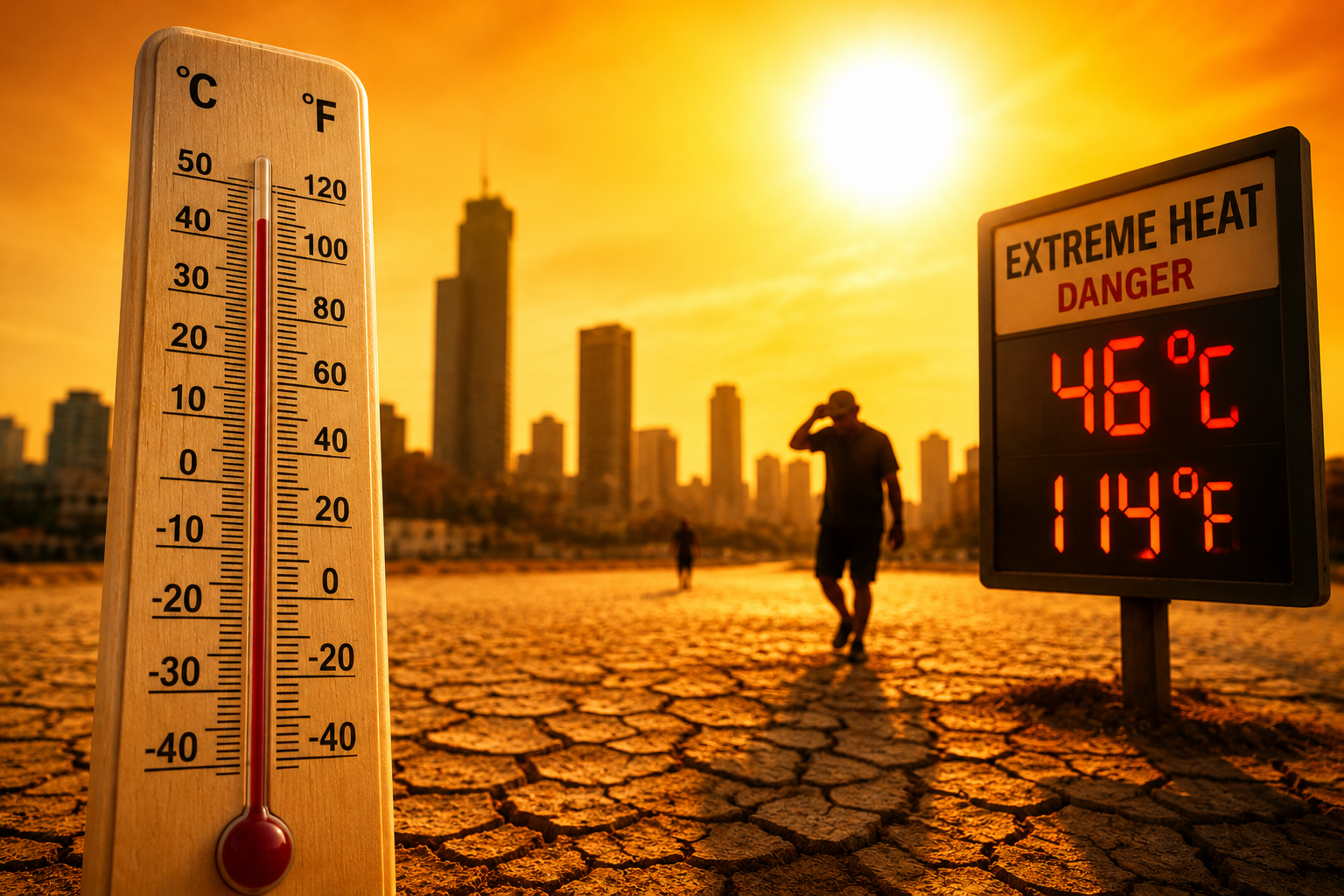
Extreme Heat Safety: While many people associate sunny weather with outdoor activities and holidays, prolonged exposure to high temperatures can have serious consequences. Extreme heat places stress on the body’s natural cooling mechanisms and can lead to dehydration, heat exhaustion and potentially life-threatening heatstroke.
According to the World Health Organization (WHO), heat-related illnesses and deaths are increasing globally as climate change contributes to more frequent, intense and prolonged periods of extreme heat. Vulnerable populations, including older adults, infants, pregnant women, outdoor workers, people experiencing homelessness and those with chronic health conditions face the greatest risks.
Why Extreme Heat Matters
Heat is often described as a “silent killer” because its impacts are not always immediately visible. Unlike storms, floods or wildfires, extreme heat can affect large populations over extended periods, leading to significant health emergencies. When temperatures rise, the body works harder to maintain a safe internal temperature. Sweating and increased blood flow to the skin help cool the body, but these mechanisms can become overwhelmed, particularly during periods of high humidity.
The result can be a range of heat-related illnesses, including:
- Dehydration
- Heat cramps
- Heat exhaustion
- Heatstroke
- Worsening of heart, lung and kidney conditions
Research published in leading medical journals has shown that prolonged heat exposure can also disrupt sleep, reduce productivity and increase the risk of cardiovascular complications.
Stay Hydrated
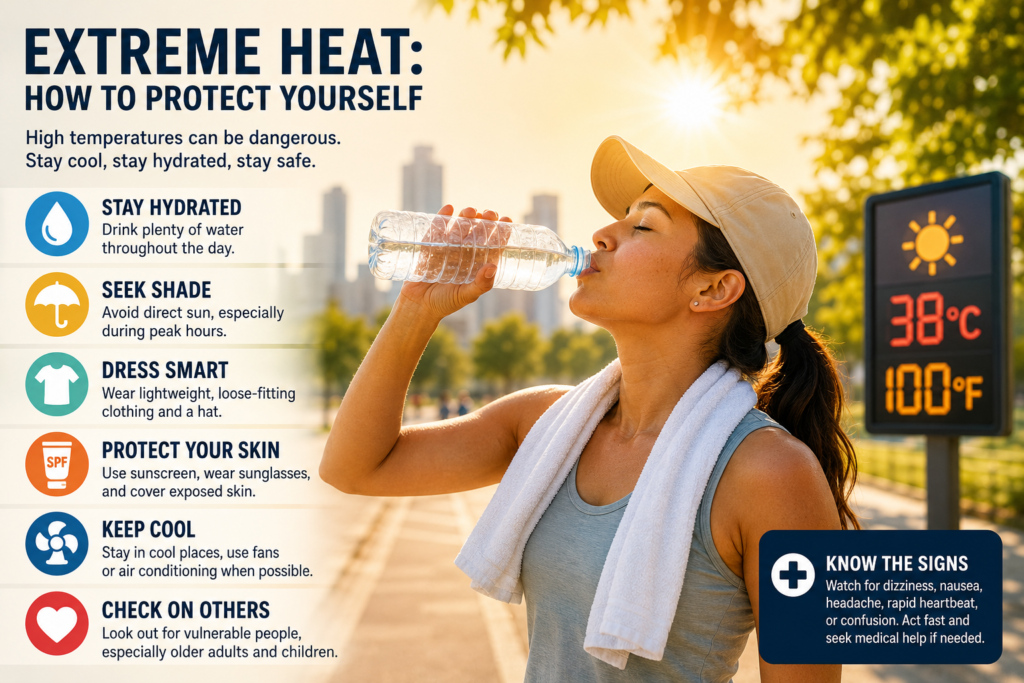
One of the simplest and most effective ways to protect yourself from heat is to drink enough fluids throughout the day. Water is generally the best choice. People should not wait until they feel thirsty, as thirst can be a late indicator of dehydration. In very hot conditions or during strenuous activity, additional fluids may be necessary. Fresh fruits and vegetables with high water content, such as watermelon, cucumber and oranges, can also help maintain hydration.
Seek Shade and Limit Sun Exposure
The sun’s intensity is usually strongest during the middle of the day, although exact times vary by region and season. Whenever possible:
- Stay in shaded areas.
- Schedule strenuous activities during cooler morning or evening hours.
- Take regular breaks if working outdoors.
- Use umbrellas, canopies or other forms of shade when natural shelter is unavailable.
Dress for Hot Weather
Clothing can play a major role in keeping the body cool. Experts recommend:
- Lightweight, breathable fabrics
- Loose-fitting clothing
- Light-coloured garments that reflect sunlight
- Wide-brimmed hats
- UV-protective sunglasses
Appropriate clothing helps reduce heat absorption while allowing air to circulate around the body.
Use Sunscreen
Exposure to ultraviolet (UV) radiation can damage the skin and increase the risk of skin cancer. Health authorities recommend broad-spectrum sunscreen with an SPF of at least 30. Sunscreen should be reapplied regularly, especially after swimming or excessive sweating.
Keep Indoor Spaces Cool
In many parts of the world, indoor temperatures can become dangerously high during heatwaves. Practical measures include:
- Closing blinds, curtains or shutters during the hottest part of the day.
- Improving ventilation when outdoor temperatures are cooler.
- Using fans where effective.
- Seeking air-conditioned public spaces if available.
- Avoiding unnecessary use of heat-generating appliances.
For communities without access to air conditioning, cooling centres, public libraries, community halls and shaded public spaces can provide important relief.
Recognise the Signs of Heat Exhaustion
Heat exhaustion is a warning sign that the body is struggling to cope with high temperatures. Symptoms may include:
- Heavy sweating
- Dizziness
- Weakness
- Headache
- Nausea
- Muscle cramps
- Rapid heartbeat
Anyone experiencing these symptoms should move to a cooler location, drink fluids and rest.
Heatstroke Is a Medical Emergency
Heatstroke occurs when the body’s temperature regulation system fails. Warning signs include:
- Confusion
- Loss of consciousness
- Seizures
- Very high body temperature
- Hot skin that may be dry or only lightly sweating
Immediate medical attention is required. Without rapid treatment, heatstroke can cause organ failure and death.
Check on Others
Extreme heat can be particularly dangerous for vulnerable individuals. Checking on elderly relatives, neighbours, friends and people living alone can help identify early signs of heat-related illness and ensure they have access to water and a cool environment.
Climate Change and Rising Heat Risks
Scientists have found that climate change is increasing the frequency, duration and intensity of extreme heat events across much of the world. Cities are especially vulnerable because buildings, roads and other infrastructure absorb and retain heat, creating what experts call the “urban heat island effect.” As global temperatures continue to rise, public health experts stress that adaptation, preparedness and community awareness will become increasingly important.
The Bottom Line
Extreme heat is no longer an occasional inconvenience, it is a growing global public health challenge. Whether living in a tropical city, a desert region or a traditionally cooler climate experiencing record temperatures, people can reduce their risk by staying hydrated, limiting sun exposure, recognising warning signs of illness and looking out for vulnerable members of their communities. Simple precautions can make the difference between safely enjoying warm weather and experiencing a potentially serious medical emergency.
Related posts:
 The Hidden Power of Sleep: 4 Essential Reasons It Supports Health, Wellbeing and Long-Term Survival
 6 Prostate Cancer Symptoms: Why Every Man Should Get Their Prostate Checked
 Social media linked to higher loneliness, as study highlights limits of online friendships
 The Silent Struggle of PCOS: How Women Are Learning to Take Back Control
 Hirsutism: The 5 Reasons That Causes Excess Hair Growth and Emotional Stress