
US Experts Reach Kenyan Ebola Facility Amid High Court Order and Local Protests


US Technical Teams Arrive at Kenyan Ebola Lab Amidst Legal Battle
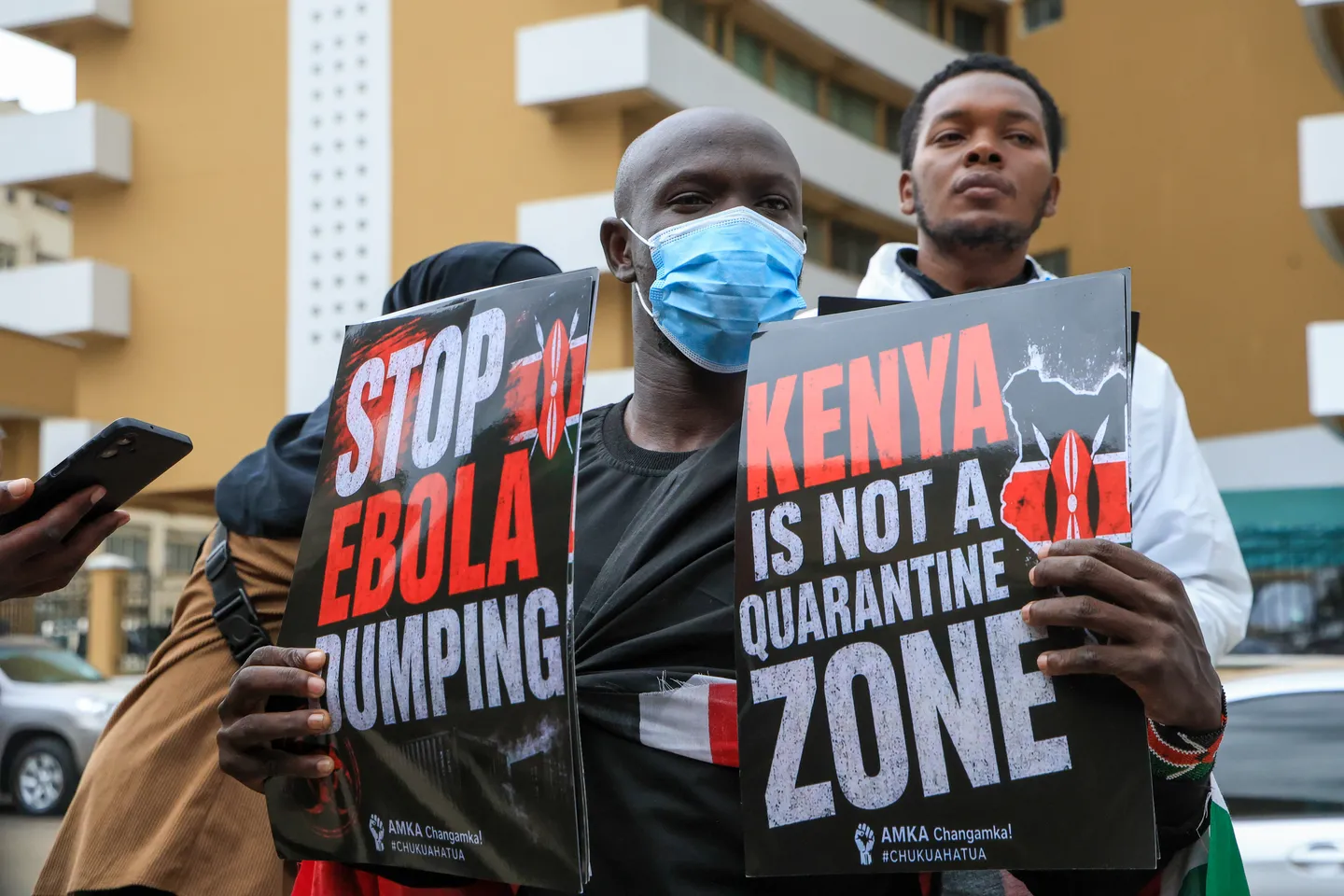
A group of US equipment experts has arrived at a high-security infectious disease research facility in Kenya, marking a significant escalation in a deepening legal and social standoff. The arrival of these specialists at the Kenya Medical Research Institute (KEMRI) facility comes despite a standing Kenya High Court order that sought to halt specific activities at the site. The deployment has reignited biosecurity facility protests and raised questions regarding the intersection of international health partnerships and national judicial sovereignty.
The situation centres on a highly sophisticated laboratory designed to handle dangerous pathogens, including the Ebola virus. While the US and Kenyan health authorities maintain that the specialists are essential for the technical upkeep of sensitive machinery, local activists and legal representatives argue that their presence directly contravenes judicial directives intended to address safety and transparency concerns raised by the surrounding community.
The KEMRI-CDC Facility: Strategic Importance and Local Opposition
The facility in question is a product of the long-standing KEMRI-CDC partnership, a collaboration between the Kenyan government and the United States Centers for Disease Control and Prevention. This Ebola research lab in Kenya is part of a broader network of laboratories across East Africa intended to provide rapid diagnostic capabilities and research infrastructure for viral haemorrhagic fevers and other emerging infectious diseases.
Strategically, the lab is positioned as a cornerstone of infectious disease research in Kenya, aimed at preventing regional outbreaks from becoming global pandemics. However, its existence has been a lightning rod for local opposition. Residents in the neighbouring communities have expressed persistent fears that the proximity of a facility housing live pathogens poses an existential threat to their health, leading to periodic demonstrations and demands for the lab’s relocation or closure.
Understanding the High Court Order and Legal Standoff
The Kenya High Court order was issued following a petition by local residents and civil society groups who cited a lack of public participation and potential breaches of environmental safety protocols. The court had initially moved to restrict operations at the facility until a comprehensive assessment of the risks associated with the storage and study of pathogens like Ebola could be independently verified.
The arrival of the US equipment experts’ Kenya Ebola facility team is viewed by legal challengers as a breach of this status quo. Lawyers representing the local community argue that by allowing foreign experts to access and potentially reactivate or maintain equipment, the Kenyan government is bypassing the judicial system. This legal standoff highlights the friction between international biosecurity obligations and the domestic legal frameworks that govern public safety and institutional accountability.
Protests and Community Concerns in Kenya
Following reports of the experts’ arrival, local unrest intensified near the facility grounds. Activists and residents have voiced several specific concerns that drive the biosecurity facility protests:
- Pathogen Safety: There is a deep-seated fear that accidental leaks could occur, mirroring anxieties seen globally regarding high-containment laboratories.
- Sovereignty and Transparency: Protesters argue that the involvement of US personnel without clear public oversight undermines Kenyan sovereignty and the authority of the local courts.
- Informed Consent: Many residents claim they were never adequately briefed on the types of research being conducted in their “backyard”, nor were they consulted during the facility’s planning phases.
Local leaders have called for “transparency over secrecy”, demanding that the government explain why the technical teams were permitted to enter the site while a court-mandated freeze on certain activities remained in effect.
The Role of US Equipment Experts in Biosecurity Readiness
From the perspective of the US mission and the KEMRI leadership, the presence of these technicians is a matter of practical necessity rather than a political statement. High-containment laboratories (BSL-3 and BSL-4) require constant maintenance of specialised HVAC systems, pressure sensors, and decontamination units to ensure they do not become a hazard.
The official purpose of the US equipment experts is to perform routine but critical maintenance on hardware that local technicians may not yet be fully certified to service. The US considers this essential for global health security, arguing that a facility left to decay without proper technical oversight poses a greater risk of accidental exposure than an active, well-maintained one. This argument, however, has failed to pacify those who believe the maintenance work is a precursor to a full-scale resumption of research activities that the court has called into question.
The Future of US-Kenya Health Collaborations
The standoff at the KEMRI-CDC facility represents a pivotal moment for infectious disease research in Kenya. It underscores the difficulty of balancing high-stakes international health security with local community rights and judicial independence. As the legal battle continues to unfold in the High Court, the outcome will likely set a precedent for how foreign-funded research facilities operate within Kenya’s borders.
If the government and its US partners cannot bridge the gap with the local population through increased transparency and adherence to court rulings, the future of the KEMRI-CDC partnership may face sustained logistical and political hurdles. The next steps in the Kenyan judicial system will be watched closely, as they will determine whether the “biosecurity first” approach of international experts can coexist with the legal and social demands of the host nation.
Related posts:
 WHO Warns DR Congo Ebola Outbreak May Be Spreading Faster as Death Toll Hits 131
  DR Congo Ebola outbreak grows as Oxford scientists fast-track vaccine
  DR Congo seek FIFA ticket refunds after Ebola outbreak threatens World Cup travel
  Iran delays response to US proposal as nuclear programme and Strait of Hormuz emerge as key obstacles
  Australia Approves Stronger Mouse Poison as Farmers Battle Growing Rodent Plague