Hundreds of Ghanaians Return Home After Côte d’Ivoire Demolitions Leave Families Displaced
Ghana has begun repatriating 327 citizens displaced by demolition operations in Côte d'Ivoire, with hundreds already returning home after losing homes and livelihoods.


Follow Nukunya
Get the latest breaking news and updates from Nukunya.
Ghana Repatriates 327 Citizens Displaced by Côte d’Ivoire Demolitions as Questions Grow Over Migrant Protection
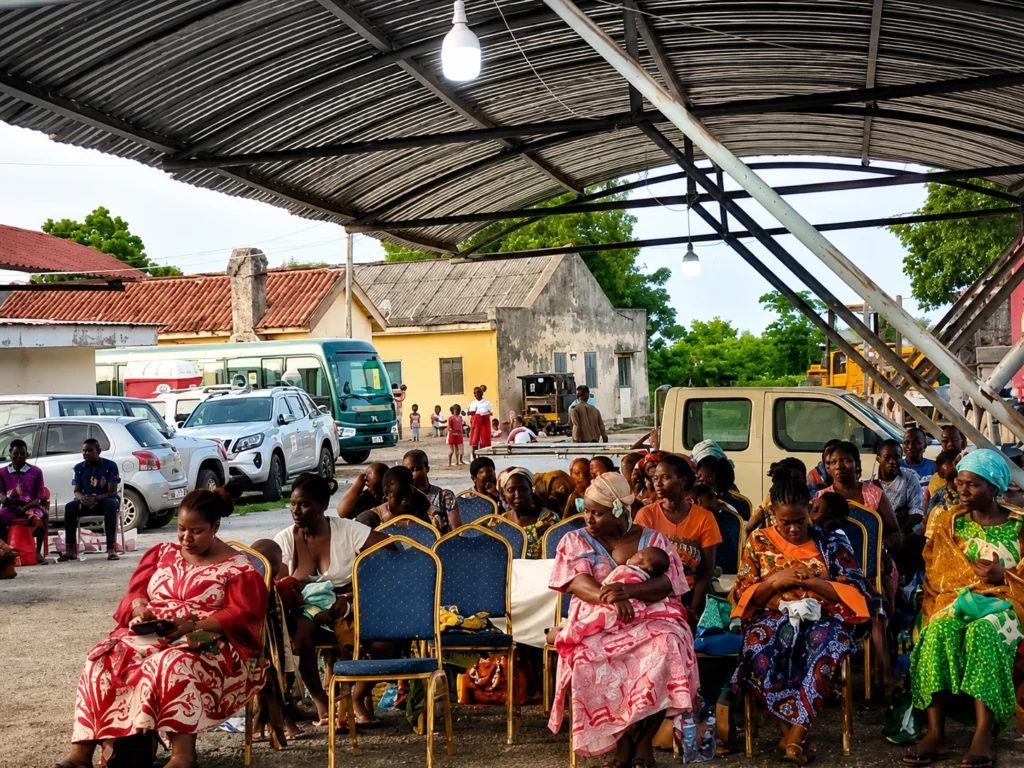
Ghana has begun repatriating 327 citizens displaced by a large-scale demolition exercise in Côte d’Ivoire’s Port-Bouët municipality, with hundreds returning home after losing homes, businesses and livelihoods. The operation has sparked broader questions about migrant protection, urban redevelopment and the vulnerability of West African communities living across regional borders.
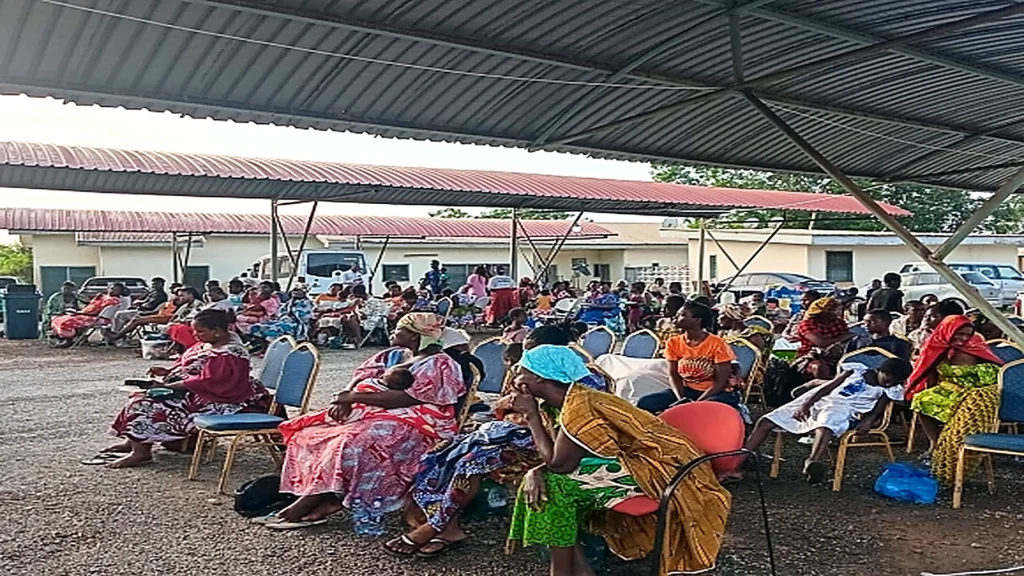
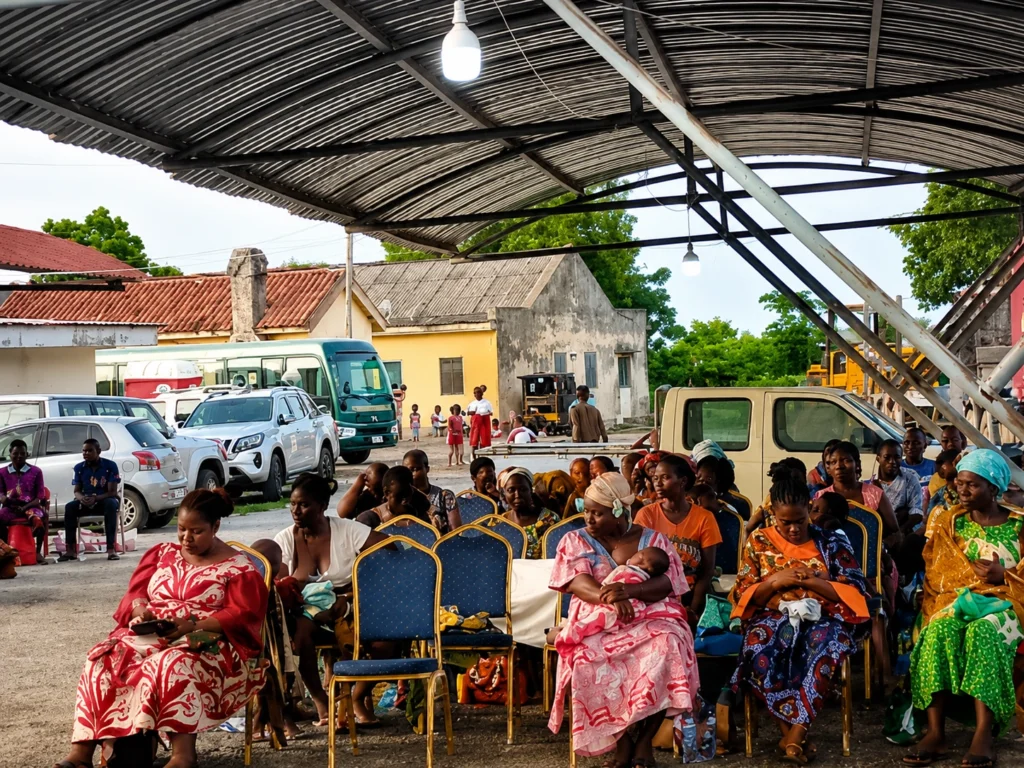
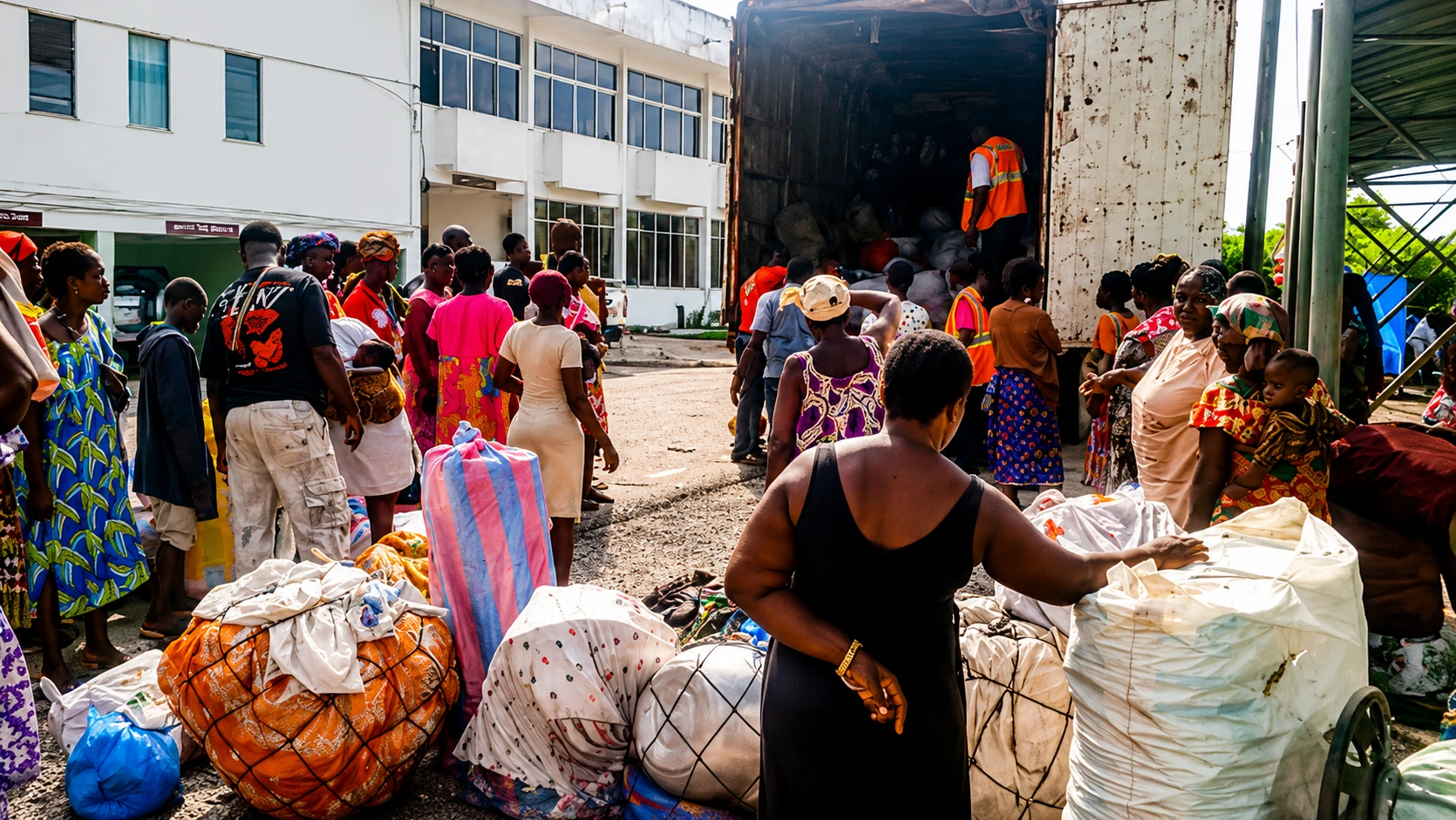
ACCRA, Ghana – The Government of Ghana has launched the repatriation of 327 Ghanaian nationals displaced by demolition operations in Côte d’Ivoire, with authorities confirming that more than 220 returnees had already arrived in Ghana by June 11 and arrangements were underway for the remainder to return safely.
According to a statement issued by Ghana’s Ministry of Foreign Affairs, the affected Ghanaians had been residing in areas of Port-Bouët in Abidjan that were impacted by an ongoing demolition exercise conducted by Ivorian authorities. The ministry said many residents became stranded after losing homes, businesses and sources of income. The government said buses and trucks had been provided free of charge to transport affected citizens and their belongings back to Ghana. Authorities also indicated they would continue engaging with Côte d’Ivoire over promised compensation for those affected by the demolitions.
Hundreds Return Home
Among the first arrivals were 137 returnees from Ghana’s Central Region, who were received by regional authorities, the National Disaster Management Organisation (NADMO), the Ghana Health Service, the Ghana Immigration Service and other agencies in Cape Coast.
Officials said the group included men, women, children and three pregnant women. Many had spent years, and in some cases decades, living and working in Côte d’Ivoire before the demolitions forced them to leave.
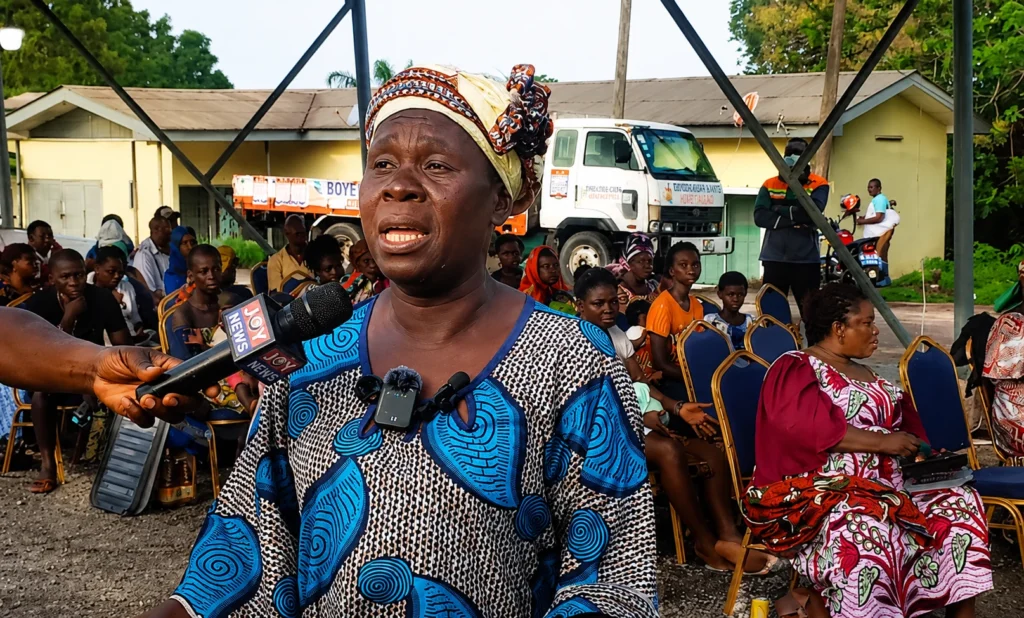
According to regional authorities, many of the returnees were fisherfolk whose livelihoods were heavily affected by the demolition exercise. Others lost homes, personal belongings and businesses built over many years. Stephen Otoo, a herbal practitioner who had lived in Abidjan for approximately 30 years, described the speed of the operation.
“Excavators arrived and started pulling down houses. Many people suddenly became homeless,” he said after arriving in Ghana. “Everything happened so fast.”
Another returnee, Maranatha Eshun, said she had lost her savings and possessions during the exercise and faced uncertainty about rebuilding her life.
Government Promises Support
The Ministry of Foreign Affairs said Ghana remained committed to supporting affected citizens and helping them reintegrate into their communities. The ministry stated that diplomatic efforts would continue to ensure that any compensation promised by Ivorian authorities reached affected individuals.
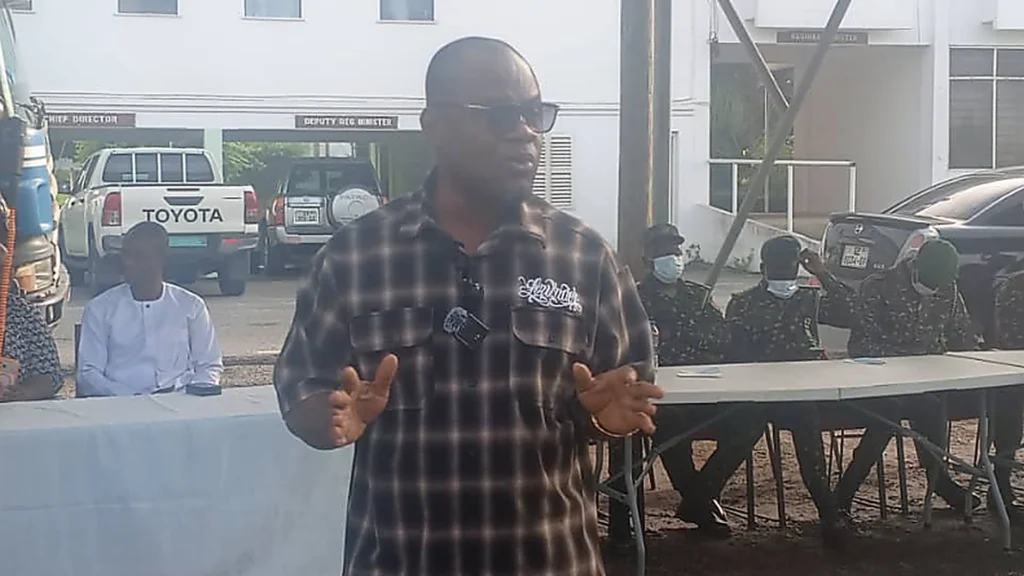
Central Regional Minister Eduamoah Ekow Panyin Okyere said authorities would undertake assessments to determine the specific needs of each returnee and coordinate support services. NADMO officials said returnees had undergone health screening, immigration processing and psychosocial assessments upon arrival. Authorities indicated that particular attention would be given to children, pregnant women and other vulnerable individuals affected by displacement. Officials also urged returnees not to immediately attempt returning to Côte d’Ivoire to recover lost property, stressing that long-term welfare and safety should remain the priority.
Regional Implications
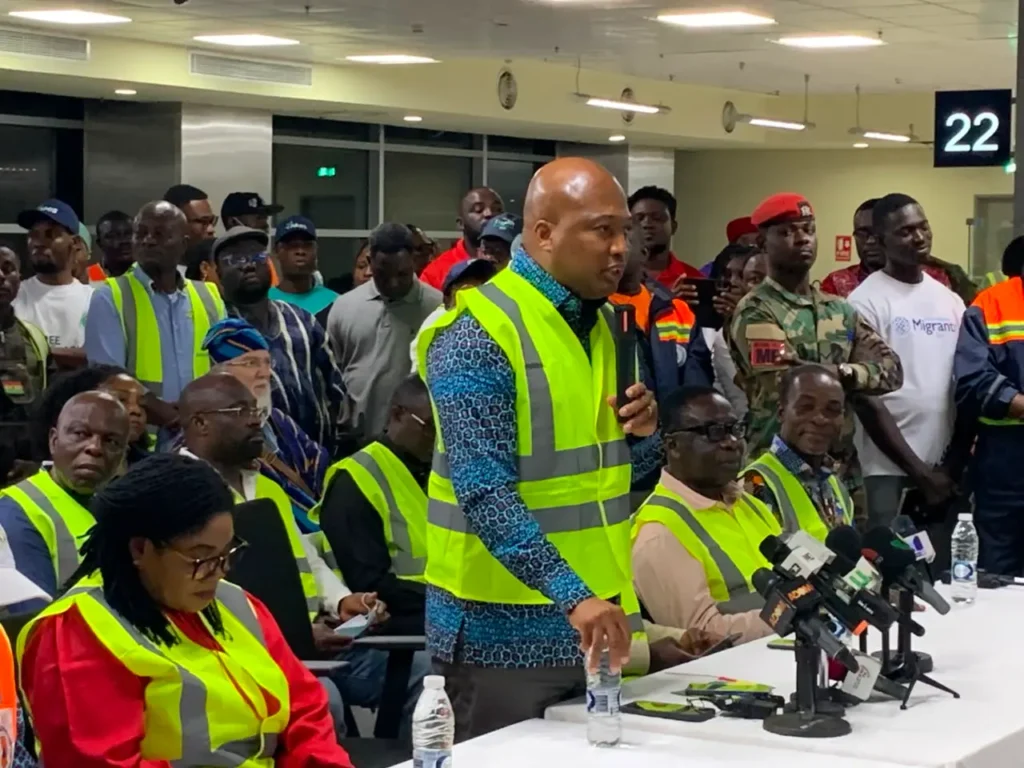
The incident highlights the challenges facing migrant communities across West Africa, where freedom of movement under the Economic Community of West African States (ECOWAS) framework has encouraged millions of people to live and work outside their countries of origin.
While Côte d’Ivoire remains one of West Africa’s largest economic destinations and hosts significant migrant populations from neighbouring countries, the demolition exercise has exposed how quickly vulnerable communities can find themselves displaced when urban redevelopment projects are implemented.
Ghana’s response also follows recent efforts to assist citizens facing crises elsewhere on the continent. Earlier this month, Ghana participated in the evacuation and support of nationals affected by xenophobic tensions in South Africa, while authorities have also coordinated repatriation exercises involving citizens in Asia. The Ministry of Foreign Affairs said further updates on the Côte d’Ivoire operation would be communicated as arrangements continue for the remaining returnees.
For many families arriving back in Ghana, however, the immediate challenge is no longer the journey home. It is rebuilding lives disrupted by a demolition exercise that erased homes, livelihoods and years of economic investment almost overnight.
Related posts:
 Government Repatriates 327 Ghanaians Displaced by Demolitions in Côte d’Ivoire
  Ghana Evacuates 345 More Citizens from South Africa as Other African States Study Rescue Plan
  Ghana to Begin Final Evacuation of Nearly 900 Citizens from South Africa on July 25
  ECOWAS backs Ghana’s anti-xenophobia push as West African ministers endorse AU petition and reparatory justice framework
  Floods Destroy More Than 24 Buildings in Samreboi and Asankragwa in Ghana’s Western Region