Chimamanda Adichie Says Lagos Hospital Delayed Inquiry Into Son’s Death
Chimamanda Ngozi Adichie says a Lagos hospital delayed an inquiry into her son's death. Euracare denies wrongdoing as legal and regulatory proceedings continue.



The internationally acclaimed Nigerian author Chimamanda Adichie has alleged negligence, incomplete medical records and efforts to delay a coroner’s inquiry following the death of her 21-month-old son. Euracare Hospital denies wrongdoing as court and regulatory proceedings continue.
LAGOS, NIGERIA – Award-winning Nigerian author Chimamanda Ngozi Adichie has alleged that a Lagos hospital delayed a coroner’s inquiry into the death of her 21-month-old son, accusing the facility of negligence, withholding information and obstructing efforts to establish the circumstances surrounding the child’s death.
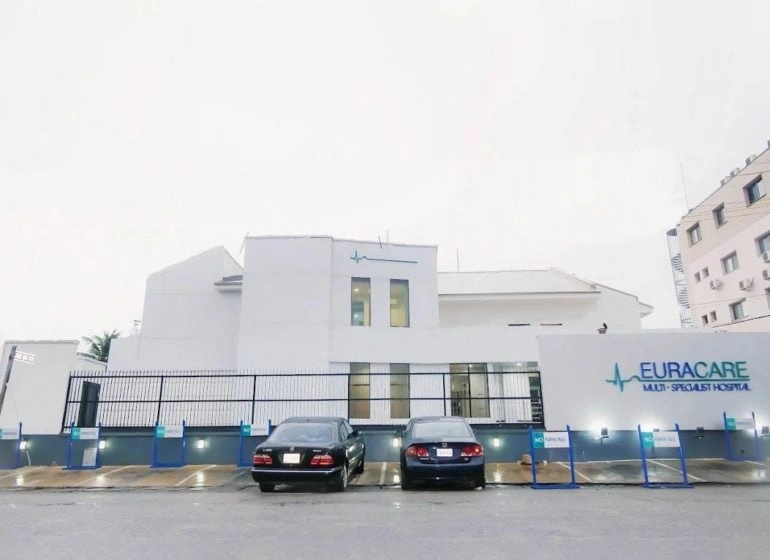
Euracare Multi-Specialist Hospital has denied wrongdoing and previously said the care provided was consistent with international standards. Court proceedings and regulatory reviews remain ongoing. The allegations concern the death of Adichie’s son, Nkanu Nnamdi, who died on 7 January after undergoing diagnostic procedures at Euracare Hospital in Lagos. The author made the claims in a detailed letter dated 16 April that she later released publicly, marking her first public comments since the death of her son.
The case has attracted significant attention across Africa and internationally because of Adichie’s global profile and because it raises broader questions about patient rights, medical transparency and healthcare accountability in Nigeria.
Adichie is one of Africa’s most influential contemporary writers, known globally for works including Half of a Yellow Sun, Americanah and Purple Hibiscus. Her writing on identity, migration and gender has earned international recognition and a readership spanning multiple continents.
Timeline of Events
| Date | Development |
|---|---|
| 7 January 2026 | Nkanu Nnamdi dies after diagnostic procedures at Euracare Hospital |
| January 2026 | Hospital supports calls for a coroner’s inquiry, according to Adichie |
| February 2026 | Inquiry proceedings are initiated |
| April 2026 | Adichie writes to Euracare’s board chairman |
| May 2026 | Legal proceedings affect the timetable of the inquiry |
| June 2026 | Adichie publishes the letter and allegations publicly |
What Adichie Alleges
In her published letter, Adichie alleges that her son suffered respiratory complications after receiving excessive sedation during medical procedures. She claims the complications led to cardiac arrest and a hypoxic brain injury. She further alleges that Euracare later issued a death certificate attributing the death to meningitis, a conclusion she disputes. Adichie also claims her family encountered difficulties obtaining complete medical records and says some documents eventually provided contained omissions, inaccuracies or contradictions.
Among the most serious allegations is her claim that hospital officials acknowledged errors shortly after the incident but later changed their position publicly. She also alleges that legal efforts by her family to obtain records and pursue the inquiry were met with resistance.
Nukunya News has not independently verified these allegations.
Hospital Response
Euracare has previously denied wrongdoing and has expressed sympathy to the family following the death. According to reports, the hospital has maintained that medical care was provided in accordance with international standards.
The BBC reported that Euracare denied negligence allegations and said care provided to the child was consistent with accepted medical standards. The hospital has also challenged aspects of the inquiry process through the courts.
At the time of publication, legal proceedings concerning the inquiry remained active.
Dispute Over the Inquiry
A central issue in the dispute concerns a coroner’s inquiry established to determine the circumstances surrounding the child’s death.
Adichie alleges that Euracare initially sought an inquiry into the death but later pursued legal action that delayed proceedings. In a public statement, she accused the hospital of having “stalled and muddied and obfuscated” the process.
According to reporting by The Nation and AFP, the Lagos State High Court granted Euracare leave to challenge the jurisdiction of the Coroner’s Court, resulting in delays to the inquiry timetable. The matter has since been adjourned while legal issues are considered.
The courts have not yet ruled on the underlying allegations.
What Is a Coroner’s Inquiry?
A coroner’s inquiry is a formal judicial process used to establish the circumstances surrounding a death.
It is not a criminal trial and does not determine guilt or civil liability. Instead, it seeks to establish facts, hear evidence and clarify how a death occurred. Adichie has repeatedly emphasised this distinction, arguing that her family’s objective is to establish the truth rather than pursue damages through the inquiry process.
Regulatory Investigations
The case has also attracted scrutiny from medical regulators.
According to multiple reports, the Medical and Dental Council of Nigeria suspended two doctors connected to the case pending disciplinary proceedings. The suspensions followed findings by an investigative panel that examined aspects of the treatment provided to the child. The existence of disciplinary proceedings does not establish liability or wrongdoing, and regulatory investigations remain ongoing.
Why the Case Matters Beyond One Family
The significance of the case extends beyond the personal tragedy experienced by Adichie and her family.
Nigeria has one of Africa’s largest private healthcare sectors, with many patients turning to private hospitals in search of specialist care. Questions surrounding medical records, transparency and accountability can therefore have implications for public confidence in healthcare institutions more broadly.
Healthcare experts frequently note that access to complete medical records and independent reviews are important components of patient rights and medical accountability. The outcome of the inquiry may therefore be closely watched by patients, healthcare providers and regulators alike.
The case has also reignited debate about how allegations of medical negligence are investigated and whether families can obtain timely answers when serious incidents occur.
A Mother’s Search for Answers
At the heart of the case is a grieving family’s attempt to understand what happened to a young child.
In her public statement, Adichie described waking each morning “with my heart racing” and spoke of the profound loneliness of grief following the death of her son. She said her decision to publish the letter was motivated by a desire to prevent the issue from disappearing from public scrutiny.
“The ultimate and utter loneliness of grief is that only you can know the true depth of your despair,” she wrote. “I long for, at least, peace to mourn.”
For now, many of the central allegations remain contested.
The inquiry, court proceedings and regulatory reviews are expected to play a key role in determining the facts surrounding one of Nigeria’s most closely watched healthcare controversies.
Related posts:
 Nigeria Begins Repatriation from South Africa as Anti-Migrant Tensions Spark Regional Concern
  Nigeria’s currency reforms stabilise naira after months of volatility
  Ghana seeks AU intervention over xenophobic attacks in South Africa
  Four Sentenced to Death Over Nigeria’s Deadly Owo Church Attack
  Manhunt Under Way in South Africa After 12 Killed in Mass Shooting Near Johannesburg