Ghanaian Diplomat and Former Foreign Minister Victor Gbeho Dies at 91


Follow Nukunya
Get the latest breaking news and updates from Nukunya.
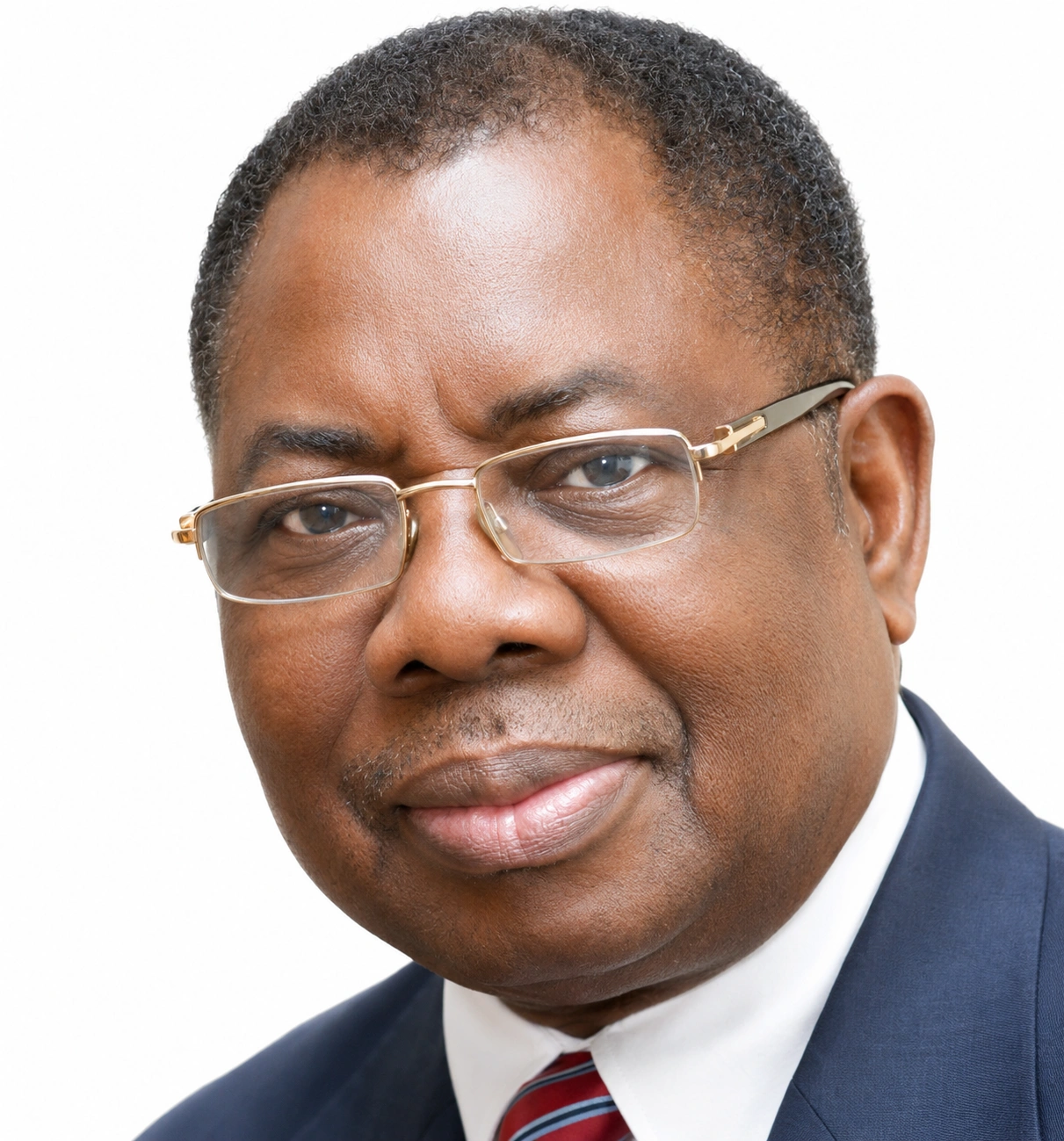
Ambassador James Victor Gbeho, Ghana’s former Foreign Affairs Minister, former President of the ECOWAS Commission and veteran diplomat, has died at the age of 91. His career spanned more than five decades of service in Ghanaian diplomacy, regional integration and international affairs.
ACCRA, Ghana – Ambassador James Victor Gbeho, one of Ghana’s most influential diplomats and a leading figure in West African diplomacy, has died at the age of 91. Family sources confirmed that the former Foreign Affairs Minister and former President of the ECOWAS Commission died in hospital on Saturday. The cause of death was not immediately disclosed.
His passing marks the end of a public service career that spanned more than five decades and helped shape Ghana’s engagement with Africa, the United Nations and the wider international community. Born on 12 January 1935 in Keta in Ghana’s Volta Region, Gbeho belonged to a generation of diplomats who played a central role in projecting Ghana’s influence beyond its borders during the post-independence era.
A Career Across Diplomacy and Public Service
Gbeho joined Ghana’s Foreign Service in 1959 and went on to represent the country in a series of diplomatic assignments across Africa, Europe and Asia. His postings included China, India, Nigeria, Germany, the United Kingdom and Switzerland, giving him extensive experience at a time when Ghana was expanding its diplomatic footprint around the world.
He later served as Ghana’s Permanent Representative to the United Nations in New York between 1980 and 1990, representing the country during a decade marked by major geopolitical changes and evolving international cooperation.
His diplomatic experience eventually led him into government.
Between 1997 and 2001, under President Jerry John Rawlings, he served as Ghana’s Minister for Foreign Affairs, helping to oversee the country’s external relations during a period of democratic consolidation and growing regional engagement. After leaving the ministry, he represented the Anlo Constituency in Parliament from 2001 to 2005 and later served as a foreign policy adviser to President John Evans Atta Mills.
Leading West Africa’s Premier Regional Institution
One of Gbeho’s most significant achievements came in 2010 when he was unanimously elected President of the ECOWAS Commission, becoming one of the most senior Ghanaian diplomats to hold a major regional office.
The Economic Community of West African States (ECOWAS) is one of Africa’s most influential regional organisations. It brings together West African nations to promote economic integration, regional trade, democratic governance, conflict prevention and collective security.
As President of the Commission, Gbeho occupied a position at the centre of regional diplomacy during a period when West Africa faced challenges ranging from political instability to economic integration and cross-border security concerns. His leadership placed Ghana at the forefront of regional discussions on governance, cooperation and development.
The Diplomat Behind Ghana’s International Identity
Although much of diplomacy takes place away from public attention, Gbeho’s career coincided with some of the most important periods in Ghana’s modern foreign policy development.
From his work at the United Nations to his leadership roles in government and ECOWAS, he helped strengthen Ghana’s reputation as a country committed to dialogue, multilateral cooperation and peaceful engagement with its neighbours.
Colleagues and contemporaries frequently described him as a consensus-builder whose approach favoured diplomacy, consultation and institution-building over confrontation. His reputation for professionalism earned him respect across diplomatic circles in Ghana and beyond.
A Legacy Rooted in Service
Gbeho also came from a family deeply connected to Ghana’s national story.
He was the son of Philip Gbeho, the celebrated composer of Ghana’s national anthem, linking him to one of the country’s most enduring cultural symbols. That connection reflected a broader legacy of public service that extended across culture, governance and diplomacy.
Following news of his death, tributes began emerging from former colleagues, diplomats and members of the public, many recalling his contribution to Ghana’s foreign service and his commitment to regional cooperation. The family has announced the opening of a book of condolence at his residence in Accra, where diplomats, public officials and members of the public will be able to pay their respects. Funeral arrangements are expected to be announced in due course.
Why Victor Gbeho’s Legacy Matters
James Victor Gbeho belonged to a generation of public servants who helped define Ghana’s role in international affairs after independence. His career bridged diplomacy, government, parliament and regional leadership at a time when Ghana was strengthening its democratic institutions and expanding its influence across Africa.
Few Ghanaian diplomats have served as Foreign Minister, Permanent Representative to the United Nations, Member of Parliament, presidential adviser and President of the ECOWAS Commission. Those roles placed him at the centre of some of the most important diplomatic and governance conversations of his era.
His death therefore represents more than the loss of a former minister. It marks the passing of a statesman whose work contributed to Ghana’s diplomatic identity, strengthened regional cooperation in West Africa and helped shape the country’s engagement with the wider world for more than half a century.
Related posts:
 Ghana Pushes Border Cooperation as Sahel Insecurity Raises Regional Security Risks
  Mahama Calls for Renewed Pan-African Unity and Reparations Agenda During UK Visit
  Alban Bagbin Urges Africa to Resist External Pressure on Laws and Values
  Mahama Bans Ministers, State CEOs From Accepting Private Awards Without Approval
  Bossman Asare Resigns as Ghana’s Electoral Commission Begins Leadership Transition