
Alban Bagbin Urges Africa to Resist External Pressure on Laws and Values

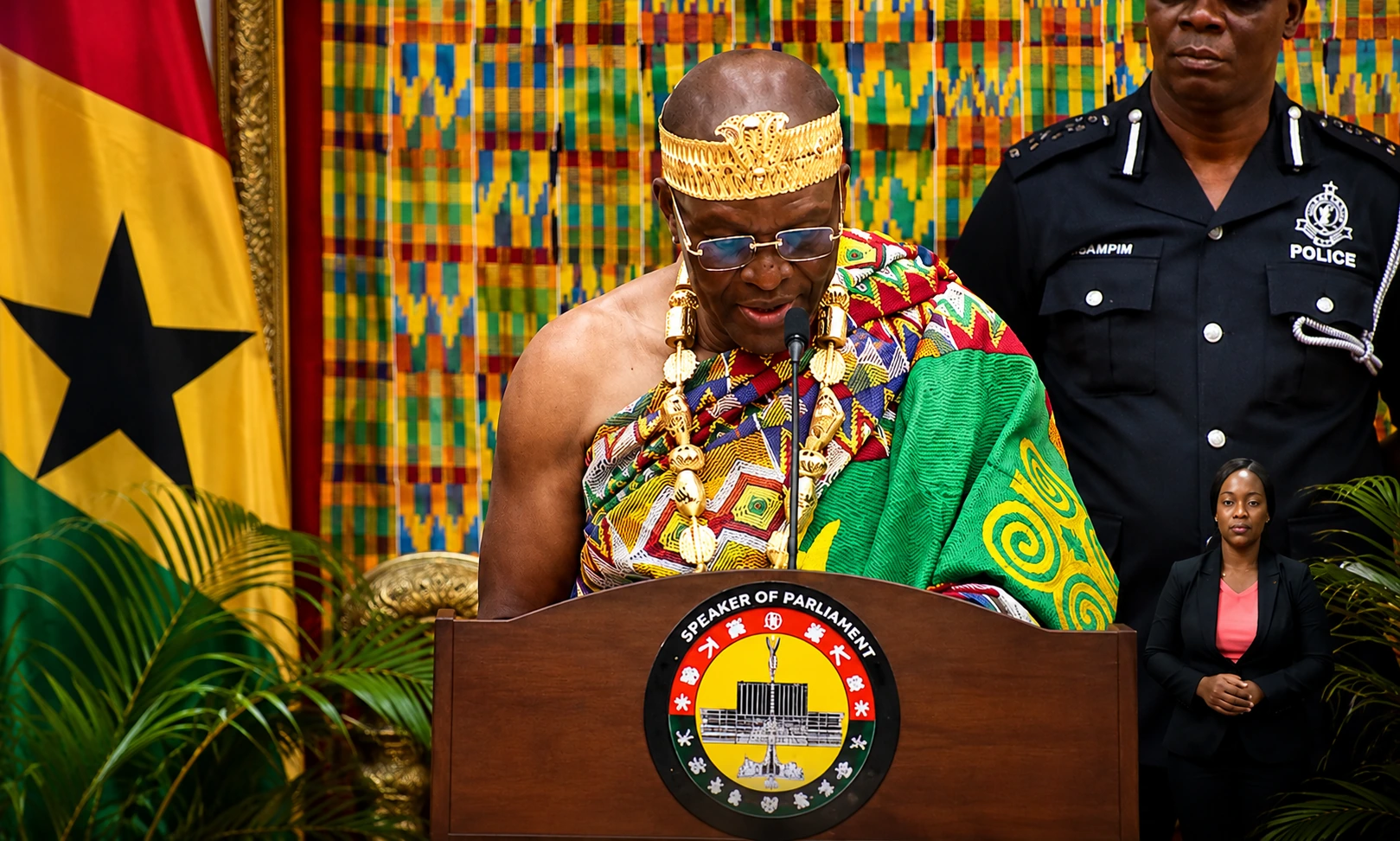

Speaker of Parliament Alban Bagbin has called on African lawmakers to defend national sovereignty and ensure laws reflect local realities rather than external expectations. Speaking at a continental conference in Accra, he argued that family structures, cultural identity and self-determination remain central to Africa’s development agenda.
ACCRA, Ghana — Speaker of Parliament of Ghana Alban Sumana Kingsford Bagbin has called on African governments and legislatures to resist external pressure on domestic laws and cultural policies, placing sovereignty and family values at the centre of what he described as a growing continental debate over governance, development and national identity.
Addressing delegates at the opening of the Fourth African Inter-Parliamentary Conference on Family, Sovereignty and Values in Accra, Alban Bagbin argued that laws disconnected from the social realities and cultural traditions of African societies risk becoming ineffective and losing public legitimacy.
The conference, hosted by Ghana’s Parliament, has brought together more than 300 delegates from over 30 African countries, including lawmakers, policymakers, traditional leaders and civil society representatives. Participants are expected to discuss governance, family policy, sovereignty and legislative cooperation, with recommendations likely to be presented to parliaments across the continent.
Sovereignty and Aid at the Heart of the Debate
A central theme of Alban Bagbin’s address was his criticism of what he described as attempts to tie development assistance, trade agreements and international cooperation to changes in domestic legal or cultural frameworks. According to Speaker Alban Bagbin, development support should not be conditional on the adoption of policies that conflict with a country’s traditions, values or constitutional priorities.
“We in Africa do not seek to dictate the internal legal frameworks of other continents, and we expect, in turn, the same respect for our sovereignty,” Bagbin said. He argued that conditioning assistance on changes to domestic laws violates the principle of sovereign equality enshrined in the United Nations Charter and risks undermining public confidence in national institutions.
Bagbin urged African governments to work together to protect their ability to determine their own legal, social and cultural policies without external influence.
Why the Debate Matters
The conference takes place against a backdrop of growing debate across Africa about the relationship between sovereignty, international partnerships and social policy.
Several African governments have increasingly argued that domestic legislation should reflect local cultural, constitutional and historical realities. At the same time, international organisations and human rights advocates have maintained that global standards play an important role in protecting vulnerable groups, promoting equality and safeguarding fundamental freedoms.
That tension has become increasingly visible in debates involving family policy, social legislation, governance reforms and development partnerships across several African countries. Bagbin’s intervention places Ghana at the centre of a wider continental conversation about who should shape Africa’s legal and social future.
Family as a Development and Governance Issue
Beyond sovereignty, Bagbin argued that the family should be viewed not merely as a social institution but as a strategic component of governance and national development. He described the family as the smallest unit of governance and said strong family structures contribute to social stability, economic resilience and community support systems.
According to Bagbin, African family networks have historically helped societies withstand economic hardship, conflict and social disruption.
He also challenged what he characterised as narrow interpretations of family commonly associated with Western societies. “The Western concept of the nuclear family, isolated, individualistic, lonely and strictly bounded, fails to capture the expansive, resilient and self-sustaining genius of the African family,” he said.
The speaker argued that African family structures are generally broader, more interconnected and often function as informal social protection systems supporting children, older relatives and vulnerable members of society.
Balancing Cultural Identity and Rights
While advocating for the protection of African cultural values, Bagbin also emphasised that cultural preservation should not be used to justify abuse or violations of fundamental rights.
He told delegates that defending African family values must never become a pretext for violence, oppression or the denial of basic human dignity. He also called for stronger legal protections against domestic violence and harmful practices affecting women and girls.
Those remarks reflect the broader challenge facing policymakers across Africa: balancing cultural traditions with constitutional guarantees, international commitments and evolving social expectations. The debate remains one of the most complex issues confronting legislatures across the continent.
What Happens Next?
The conference is expected to produce a draft charter and legislative recommendations that participating countries may adapt within their own parliamentary systems. Delegates are also discussing proposals for greater cooperation among institutions, including the Pan-African Parliament, ECOWAS Parliament and East African Legislative Assembly.
Bagbin proposed the development of an African Family Values Charter, arguing that a common framework could help strengthen legislative coordination while preserving the diversity of African societies.
Whether those recommendations translate into national legislation remains uncertain.
What is clear is that the issues raised in Accra extend well beyond a single conference. They touch on fundamental questions about sovereignty, governance, identity and Africa’s place in an increasingly interconnected world. For many delegates, the challenge is no longer whether these debates should take place. It is how African countries can navigate them while preserving both national autonomy and commitments to human dignity, constitutional governance and democratic accountability.
Related posts:
 Ghana Pushes Border Cooperation as Sahel Insecurity Raises Regional Security Risks
  Mahama Calls for Renewed Pan-African Unity and Reparations Agenda During UK Visit
  Ghana Partners Google for Education to Expand AI and Digital Skills in Schools
  Ghana floods displace families as heavy rains hit Cape Coast
  Nearly 300 Ghanaians evacuated from South Africa arrive in Accra amid anti-immigration protests