
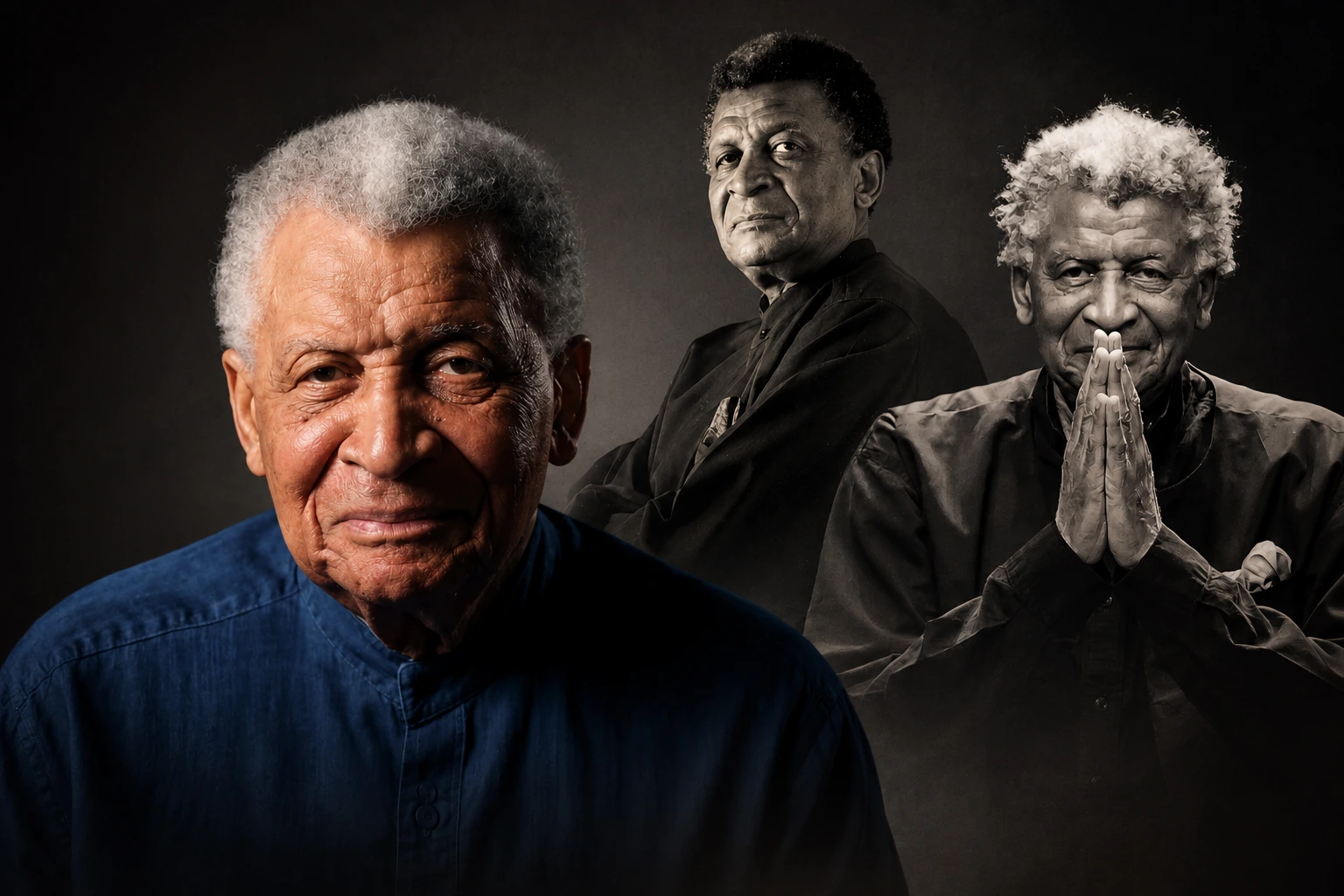
South African Jazz Legend Abdullah Ibrahim Dies at 91, Leaving a Global Musical Legacy


Follow Nukunya
Get the latest breaking news and updates from Nukunya.
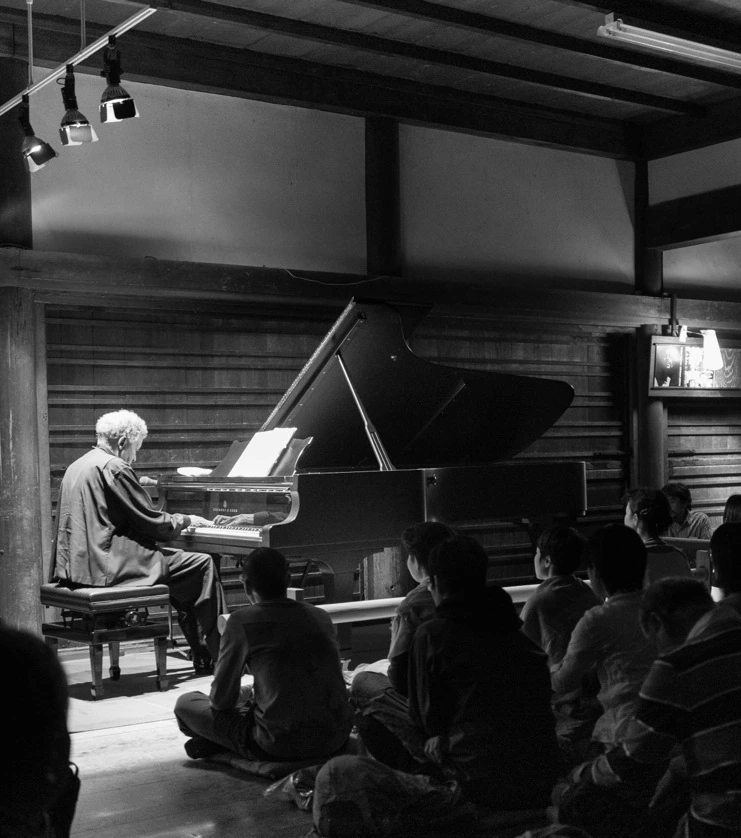
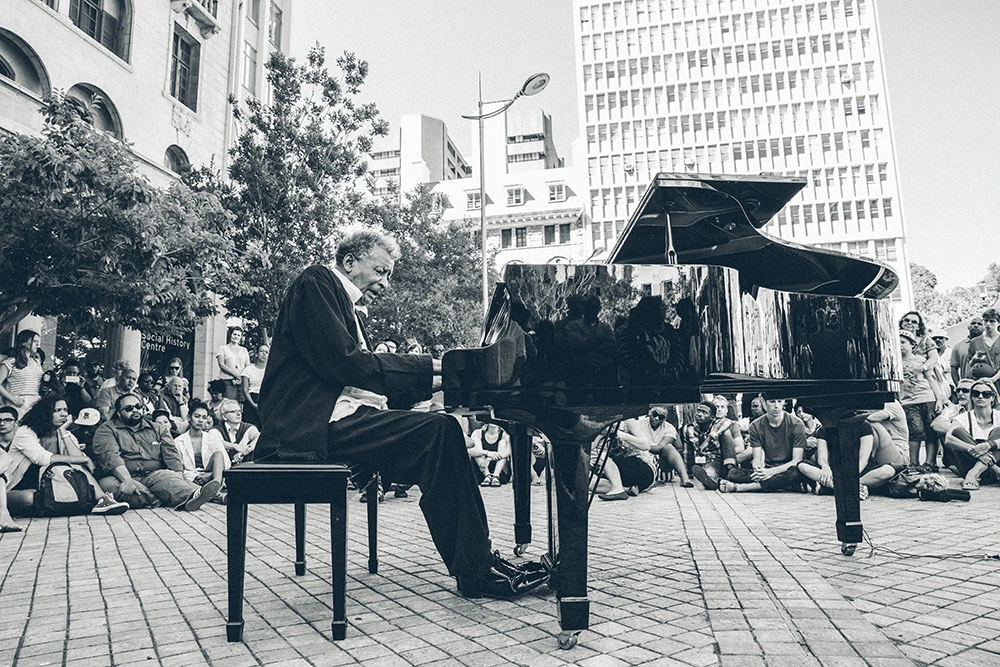
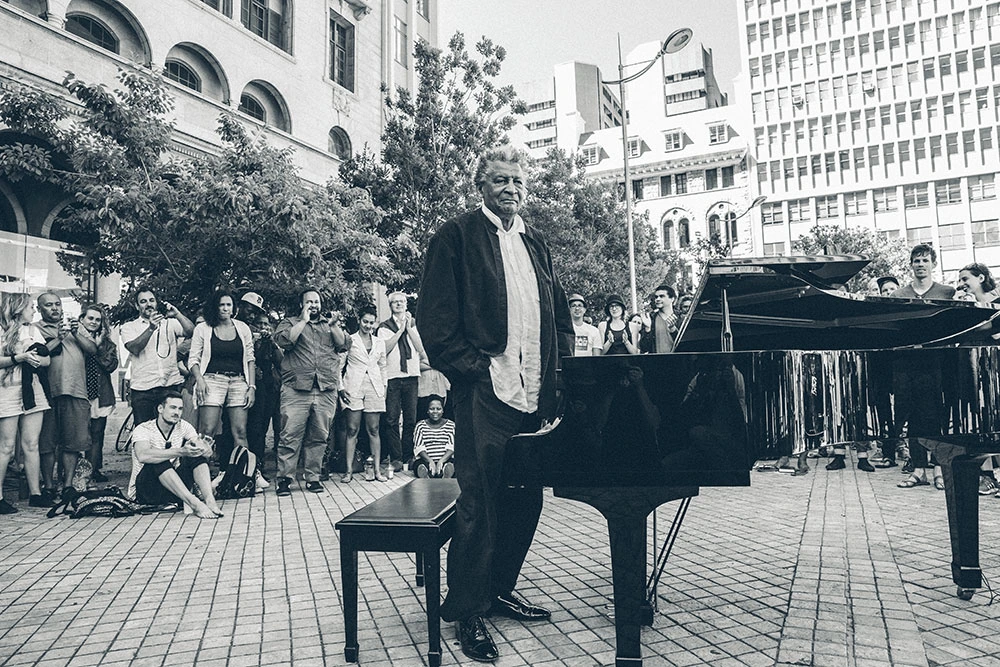
CAPE TOWN, South Africa – Abdullah Ibrahim, the South African pianist and composer whose music became a defining soundtrack of both artistic excellence and resistance to apartheid, has died at the age of 91. His family confirmed that he died peacefully in Germany following a short illness, bringing to a close one of the most influential careers in African music history.
For more than seven decades, Ibrahim occupied a unique place in global jazz. His music blended African rhythms, Cape jazz traditions, improvisation and spiritual influences into a distinctive sound that resonated far beyond South Africa’s borders. He recorded more than 70 albums and inspired generations of musicians across Africa, Europe and North America.
His death marks the passing of not only a celebrated musician, but also a cultural figure whose work became intertwined with South Africa’s political and social history.
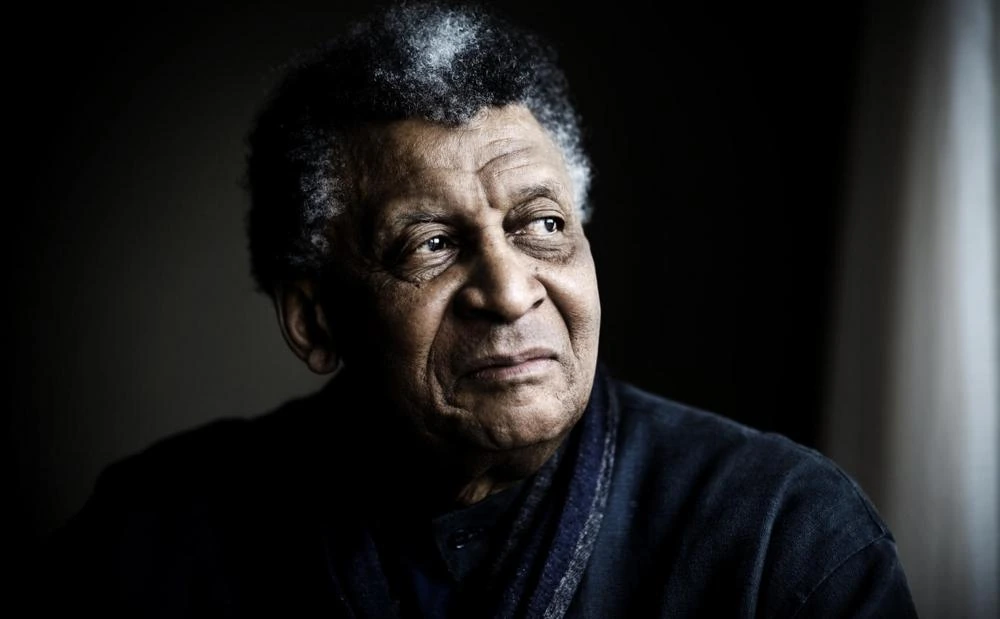
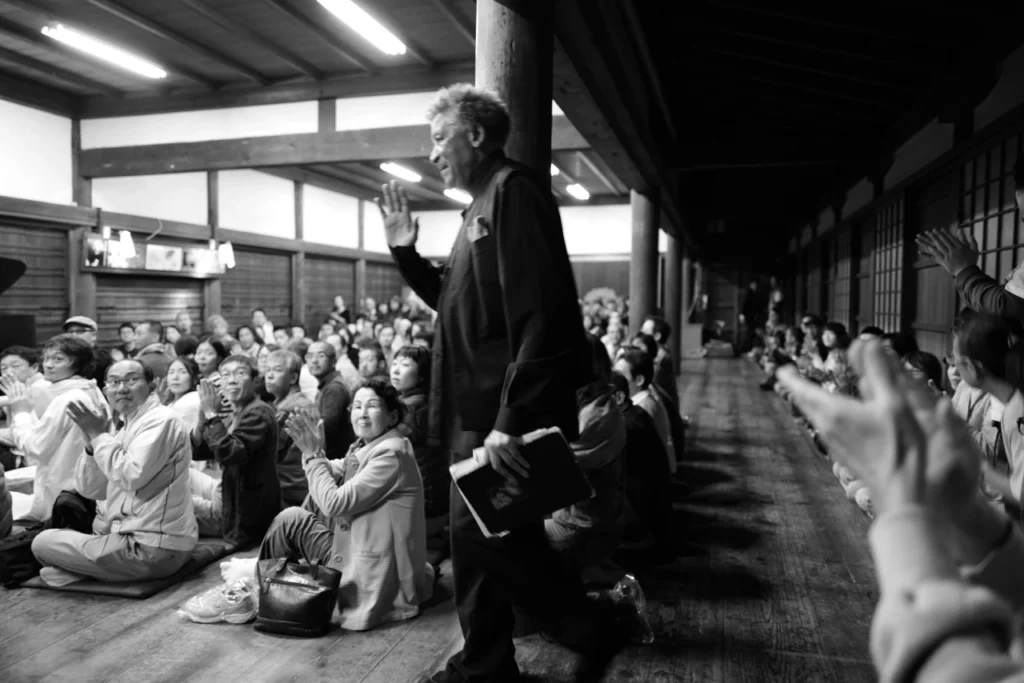
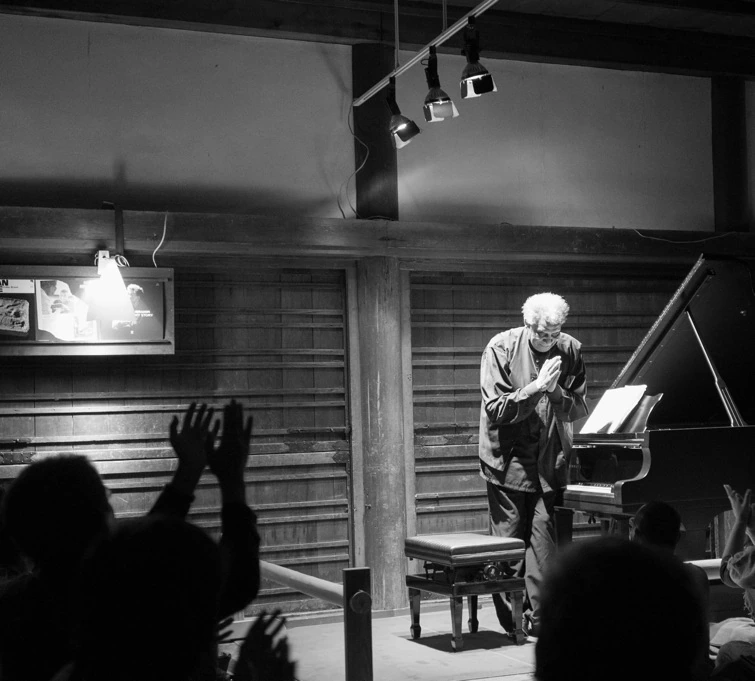
From Cape Town to the World
Born Adolph Johannes Brand in Cape Town on 9 October 1934, Ibrahim grew up in the historic District Six community, an area later devastated by apartheid-era forced removals. His early musical influences included church music, local Cape traditions and imported jazz recordings.
He began playing piano at a young age and emerged as a central figure in South Africa’s developing jazz scene during the 1950s. Performing initially under the name Dollar Brand, he became known for combining traditional African musical forms with contemporary jazz structures.
His early career included performances with the influential Jazz Epistles, one of South Africa’s pioneering modern jazz groups. The ensemble helped redefine the country’s musical landscape during a period of increasing racial segregation and political repression. As apartheid restrictions intensified, Ibrahim left South Africa and eventually settled abroad, spending significant periods in Europe and the United States.
The Duke Ellington Connection
A turning point came when legendary American jazz composer and bandleader Duke Ellington encountered Ibrahim’s music. Impressed by the young pianist’s talent, Ellington helped introduce him to international audiences and facilitated recording opportunities that significantly expanded his profile.
Ibrahim later moved to New York, where he worked alongside leading figures in modern jazz and developed a style that drew deeply from South African musical traditions while embracing improvisation and experimentation. In 1968, following his conversion to Islam, he adopted the name Abdullah Ibrahim, under which he would become internationally recognised.
Mannenberg and the Sound of Resistance
Among Ibrahim’s most enduring contributions was Mannenberg, recorded in 1974.
The composition became one of the most celebrated works in South African music and evolved into an unofficial anthem of resistance during the struggle against apartheid. Its influence extended beyond jazz audiences and became deeply embedded in South Africa’s cultural identity.
While Ibrahim often resisted attempts to define his music solely through politics, his work reflected themes of identity, memory, exile, spirituality and freedom. His compositions provided a powerful cultural voice during a period when many South Africans faced censorship, displacement and discrimination.
A Cultural Ambassador for Africa
Ibrahim’s significance extended beyond South Africa.
Long before the global rise of Afrobeats and contemporary African music, he was among a small group of artists introducing international audiences to the richness and sophistication of African musical traditions.
His work demonstrated that African music could shape global jazz rather than merely borrow from it. Throughout his career he collaborated with musicians across continents, produced solo and ensemble recordings, composed film soundtracks and mentored younger generations of performers.
Even after the end of apartheid, Ibrahim remained active as a performer, educator and cultural advocate. His final public performance took place at the Cape Town International Jazz Festival in March, where audiences celebrated a career spanning more than seventy years.
Tributes Across South Africa
South African President Cyril Ramaphosa described Ibrahim’s work as a reflection of South Africa’s history and cultural identity, praising both his musical achievements and his contribution to national life.
Family members said he died peacefully and remained deeply connected to South Africa throughout his life, despite decades spent abroad.
Musicians, scholars and cultural figures across Africa have also paid tribute, describing him as one of the continent’s most influential artistic voices and a bridge between African traditions and global jazz.
Why Abdullah Ibrahim Matters
Few musicians have exerted as much influence on African jazz as Abdullah Ibrahim. His career connected multiple eras: colonial South Africa, apartheid, exile, democratic transition and modern global culture.
He transformed local musical traditions into a globally recognised art form while remaining rooted in African identity.
For South Africa, he was more than a pianist.
For Africa, he became one of the continent’s most respected cultural ambassadors. His music helped tell African stories to the world and demonstrated that artistic excellence could coexist with cultural authenticity. That legacy is likely to endure long after his final performance.
Related posts:
 King Promise and African artists challenge ‘Afrobeats’ label as global music debate grows
  First group of Ghanaians repatriated from South Africa after migrant protests
  South Africa Police Inquiry Hears Corruption, Drug Raid and Crime Syndicate Allegations
  Manhunt Under Way in South Africa After 12 Killed in Mass Shooting Near Johannesburg
  South Africa’s World Cup Defeat Sparks Debate Over Migration and African Solidarity