From Comedy to Community: Michael Blackson’s Growing Role in Ghana’s Global Diaspora

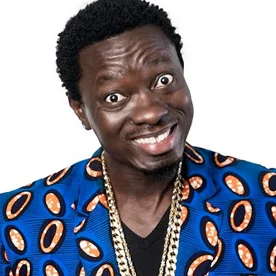

Michael Blackson built his reputation as one of America’s most recognisable comedians. Today, however, the Ghanaian-born entertainer is increasingly using his platform to champion education, diaspora engagement and investment in Ghana, positioning himself as a cultural bridge between Africa and its global communities.
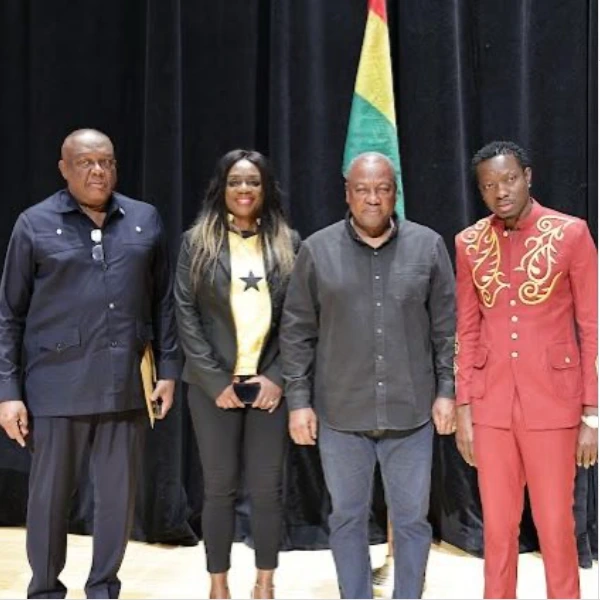
PHILADELPHIA, United States – For much of the past two decades, Michael Blackson has been known for making audiences laugh. From stand-up comedy stages and Hollywood films to social media platforms followed by millions, the Ghanaian-born entertainer has built an international brand around humour, cultural commentary and an unmistakable personality.
Yet recent events suggest Blackson’s public role is evolving.
His appearance alongside President John Mahama during a Diaspora Community Dialogue in Philadelphia was not simply another celebrity appearance. It highlighted a growing trend in which prominent members of the African diaspora are increasingly becoming influential voices in discussions about development, investment, education and national identity. For Ghana, whose diaspora community contributes billions of dollars annually through remittances, investments and professional expertise, that shift carries significance far beyond entertainment.
Beyond the Comedy Stage
Blackson’s personal story mirrors the experiences of many African migrants. Born in Ghana and raised partly in the United States, he built a successful career in one of the world’s most competitive entertainment industries while maintaining a visible connection to his country of birth.
For years, that connection was largely expressed through humour. His comedy frequently referenced African culture, immigrant experiences and the contrasts between life in Africa and the United States.
In recent years, however, his public engagement with Ghana has become more substantive. Rather than limiting his involvement to celebrity appearances, Blackson has increasingly invested time, resources and influence into initiatives aimed at creating opportunities for young people.
The most visible example remains the Michael Blackson Academy, a tuition-free school established in Agona Nsaba in Ghana’s Central Region. The project attracted international attention because it represented a celebrity moving beyond philanthropy as symbolism and towards direct investment in education infrastructure.
For many observers, the school marked a turning point in how Blackson’s public role was perceived. He was no longer simply a comedian supporting charitable causes. He was becoming an active participant in discussions about Ghana’s future.
A Different Kind of Influence
The Philadelphia event offered another glimpse into that evolution. Photographs shared on social media showed Blackson alongside President Mahama, Ghana’s Ambassador to the United States and leaders of the U.S.-Ghana Chamber of Commerce during a forum focused on diaspora engagement.
On social media, Blackson described the occasion as an opportunity to host an event involving Ghana’s President and members of the Ghanaian community in the United States.
While politicians and diplomats traditionally dominate such conversations, the inclusion of figures like Blackson reflects a changing reality. Diaspora influence is no longer exercised solely through formal institutions.
Increasingly, public figures with large audiences, cultural credibility and international networks are becoming important actors in shaping perceptions of African countries abroad. In practical terms, they often reach audiences that governments struggle to engage.
The Economic Power of the Diaspora
The significance of diaspora engagement extends beyond symbolism. According to international financial institutions, remittances from Ghanaians living abroad represent one of the country’s most important sources of foreign exchange. Beyond financial transfers, diaspora communities contribute professional expertise, business investment, technology transfer and international networks that can support economic development.
Successive Ghanaian governments have sought to deepen these connections through investment forums, cultural initiatives and programmes aimed at encouraging diaspora participation in national development. The Philadelphia dialogue formed part of that broader effort.
What makes Blackson’s involvement noteworthy is his ability to bridge multiple worlds simultaneously. He is a successful American entertainer, a Ghanaian-born public figure, an entrepreneur and a philanthropist. Few individuals occupy all of those spaces at once.
Why Celebrity Voices Matter
Celebrity involvement in development conversations often attracts scepticism. Critics argue that entertainers lack policy expertise and can sometimes oversimplify complex issues.
That concern is valid.
However, influence and expertise are not always the same thing. Public figures can play a valuable role in drawing attention to issues that might otherwise receive limited visibility.
In Blackson’s case, his educational initiatives and continued engagement with Ghana have given him credibility among many young Ghanaians both at home and abroad. For younger diaspora communities in particular, celebrities often serve as cultural ambassadors whose actions shape perceptions of identity, belonging and civic responsibility.
The growing visibility of figures such as Blackson reflects a broader trend seen across Africa, where musicians, actors, athletes and entertainers increasingly participate in conversations about governance, development and social change.
What It Means for Ghana
Ghana has long benefited from one of Africa’s most active and influential diaspora communities. From healthcare professionals and academics to entrepreneurs and technology specialists, Ghanaians abroad continue to play an important role in national development. The emergence of high-profile cultural figures as part of that ecosystem presents both opportunities and challenges.
The opportunity lies in visibility.
Well-known personalities can attract attention, mobilise support and encourage engagement among younger generations who may feel disconnected from traditional political institutions. The challenge lies in ensuring that celebrity influence complements rather than replaces substantive policy discussions. The most successful diaspora engagement strategies are those that combine public enthusiasm with practical pathways for investment, education and economic participation.
More Than Entertainment
Blackson’s growing profile within Ghana-related initiatives reflects a wider transformation occurring across global diaspora communities. Increasingly, success is being measured not only by personal achievement but also by contributions to collective advancement.
For some, that contribution comes through business. For others, it comes through education, philanthropy or advocacy. Blackson appears to be attempting a combination of all three. Whether through his educational projects, public engagement or participation in diaspora forums, he is gradually building a legacy that extends beyond comedy.
Five Questions
Why is Michael Blackson’s role changing?
His public activities increasingly extend beyond entertainment into education, philanthropy and diaspora engagement.
Why was the Philadelphia event significant?
It brought together Ghanaian political leaders, business figures and diaspora representatives to discuss community engagement and national development.
What is the Michael Blackson Academy?
A tuition-free educational initiative established by Blackson in Ghana to support access to quality education.
Why does diaspora engagement matter?
Diaspora communities contribute investment, remittances, professional expertise and international networks that support national development.
The Bigger Picture
Michael Blackson’s appearance alongside President Mahama in Philadelphia may not rank among the year’s biggest political stories. Its significance lies elsewhere.
It reflects the emergence of a new generation of diaspora leadership that operates outside traditional political structures but nonetheless influences how countries are perceived, supported and connected to the wider world.
For Ghana, that matters.
As competition for investment, talent and international attention intensifies, relationships between the country and its global diaspora will become increasingly important. Figures such as Blackson cannot replace institutions, governments or policymakers. But they can help create the connections, visibility and engagement that make those relationships stronger. And that may ultimately prove to be one of the most important roles a comedian can play.
Related posts:
 Mahama Meets King Charles III as Ghana Seeks UK Investment
  US Warns Travellers: Bushmeat Can Be Seized and Destroyed
  Ghana Evacuates 345 More Citizens from South Africa as Other African States Study Rescue Plan
  Nearly 1,000 Ghanaians Repatriated as South Africa Evacuation Operation Concludes
  Ghana Embassy in US Yet to Receive World Cup Tickets for Diaspora Distribution