Andy Burnham’s By-Election Victory Fuels Questions Over Labour’s Future


Follow Nukunya
Get the latest breaking news and updates from Nukunya.
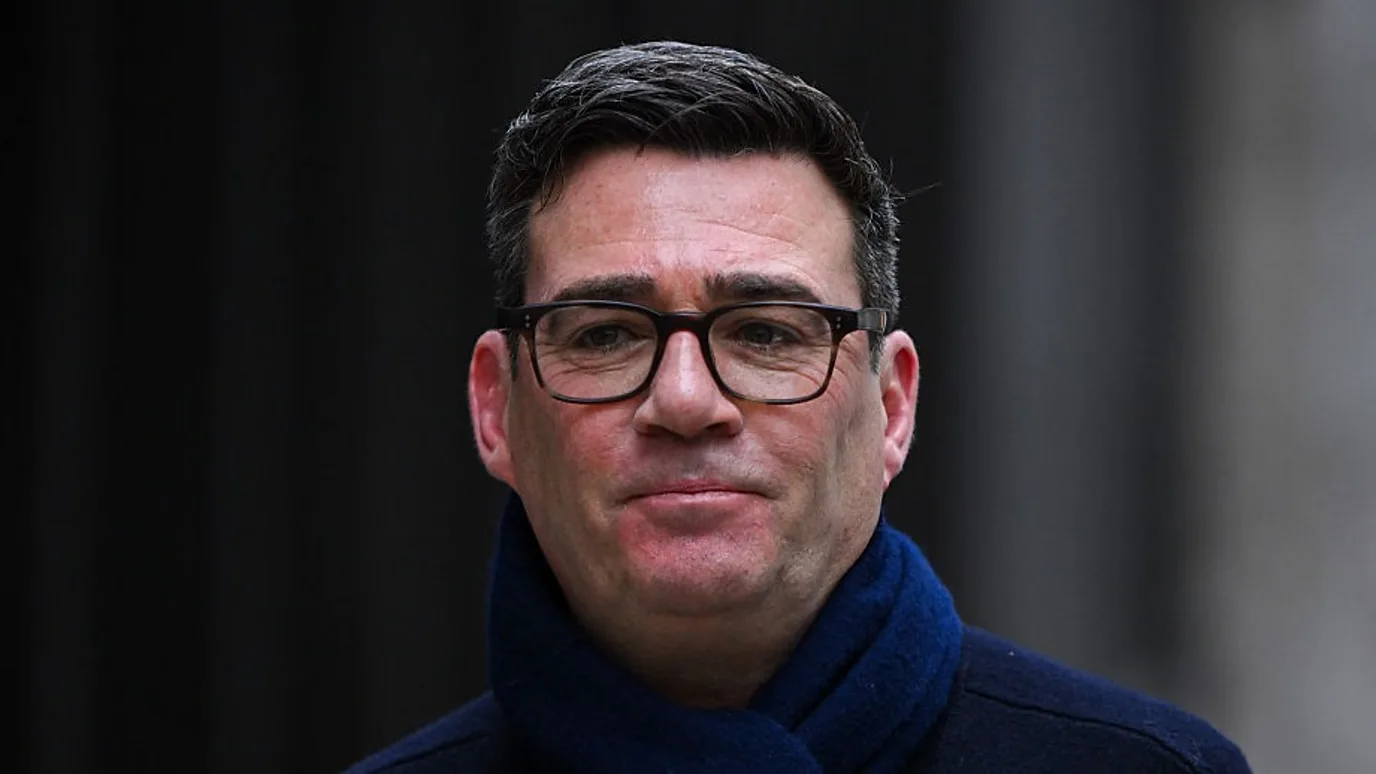
Andy Burnham’s decisive victory in the Makerfield by-election has strengthened his position within Labour and reignited debate about the party’s future direction. The result also highlighted Reform UK’s growing presence in traditional Labour territory.
LONDON, United Kingdom — Andy Burnham has secured a commanding victory in the Makerfield by-election, returning to Westminster with a result that has intensified debate about Labour’s future direction and renewed discussion about his long-term role within the party.
Burnham won the seat with 24,927 votes, representing approximately 54% of ballots cast. Reform UK candidate Robert Kenyon finished second with 15,696 votes, securing around 35%, while other parties trailed behind. Turnout was reported at nearly 59%, exceeding participation levels seen in the constituency at the previous general election.
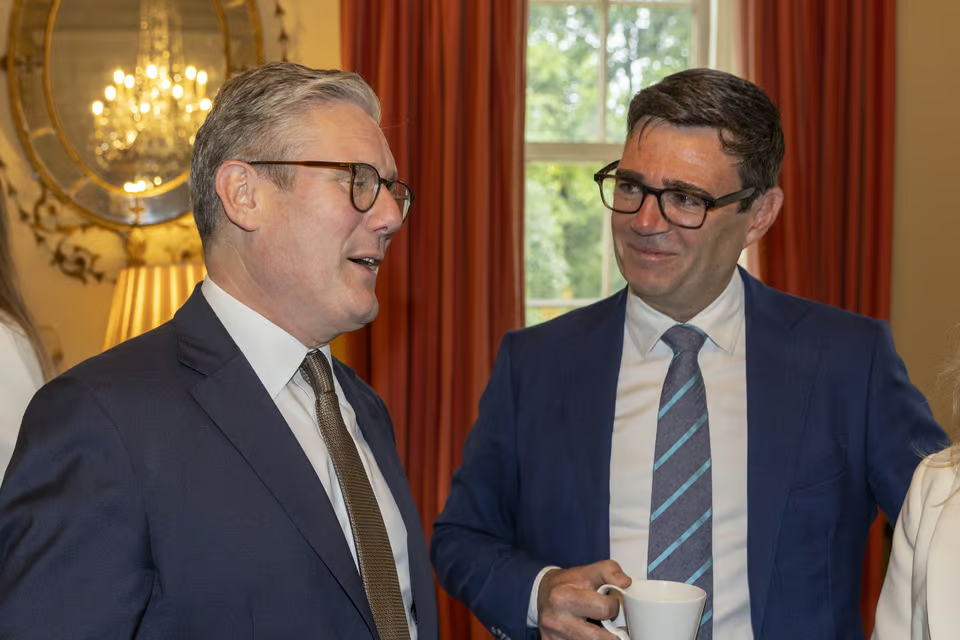
The victory comes during a politically sensitive period for Prime Minister Keir Starmer and the Labour government, which has faced criticism over policy decisions, internal disagreements and declining public confidence in some opinion polls. Against that backdrop, Burnham’s return to Parliament has immediately sparked renewed speculation about Labour’s future leadership prospects.
Speaking after the result, Burnham said voters had backed a message focused on renewal, opportunity and stronger representation for communities that often feel overlooked by national politics. He described the outcome as evidence that local concerns remain central to voters’ decisions.
Makerfield by-election 2026

Andy Burnham 54.8%

Robert Kenyon 34.5%

Rebecca Shepherd 6.8%

Michael Winstanley 2.2%
Burnham’s Return to Westminster
Burnham is one of Labour’s most recognisable political figures. Before becoming Mayor of Greater Manchester, he served in several senior cabinet positions and was twice a candidate for the Labour leadership.
During his tenure as mayor, he built a national profile through campaigns on public transport, housing, regional investment and devolution. His advocacy for greater local powers frequently placed him at the centre of national political debates and earned support beyond Labour’s traditional base.
Supporters argue that Burnham’s appeal lies in his focus on practical governance and regional development. Critics, however, question whether success in local government would necessarily translate into broader national leadership. Regardless, his return to Westminster ensures his influence within Labour will increase significantly in the months ahead.
Pressure on Starmer, but No Leadership Contest
The by-election result is likely to generate fresh discussion among Labour members and commentators about the party’s future. However, there is currently no formal leadership challenge against Prime Minister Keir Starmer, and senior Labour figures continue to publicly support him. Starmer has repeatedly stated his commitment to leading both the government and the party.
Political analysts note that leadership speculation often follows significant by-election victories involving prominent figures. While Burnham’s success has strengthened his standing, any suggestion of an immediate leadership contest remains speculative. For now, Labour’s focus remains on governing and preparing for future electoral tests.
Reform UK’s Continuing Rise
The result also underscored the growing electoral strength of Reform UK. Although Labour retained the seat comfortably, Reform UK’s second-place finish and 35% vote share highlighted its ability to attract support in areas traditionally considered Labour strongholds.
The performance reflects a broader trend in British politics, where Reform UK has increasingly positioned itself as an alternative for voters dissatisfied with both Labour and the Conservatives.
For Labour strategists, the result serves as a reminder that retaining traditional supporters cannot be taken for granted. For the Conservatives, Reform’s continued growth presents an additional challenge in rebuilding electoral support.
Analysis
Why the Result Matters
Beyond the immediate electoral outcome, the Makerfield result may have wider implications for British politics.
The by-election has:
- Returned one of Labour’s most influential regional leaders to Parliament.
- Increased scrutiny of Labour’s long-term leadership succession.
- Demonstrated Reform UK’s continuing electoral appeal.
- Highlighted voter interest in regional development and local representation.
These factors ensure that the contest will be viewed as more than a routine parliamentary by-election.
International Relevance
Burnham’s political profile extends beyond Westminster. His work on urban regeneration, transport reform and devolved governance has attracted attention from policymakers internationally, including city leaders examining ways to strengthen local government and regional economic development.
Many of the issues he has championed, including transport infrastructure, housing affordability and regional inequality, resonate beyond the United Kingdom and are increasingly relevant to policymakers in Africa and other developing regions seeking to improve local governance and economic planning.
Looking Ahead
The immediate consequence of the Makerfield result is clear: Andy Burnham is back in Parliament and once again occupies a prominent place in national political discussions. Whether that ultimately leads to a larger role within Labour remains uncertain. What is certain is that his victory has reshaped the political conversation, strengthened his influence within the party and highlighted the challenges Labour faces as it seeks to maintain voter support while confronting growing competition from Reform UK. For Prime Minister Keir Starmer, the result provides both reassurance and warning: Labour continues to win elections, but internal expectations and external pressures are unlikely to diminish any time soon.
Related posts:
 Belfast Violence Spreads After Knife Attack as Homes Burn and Bus Set Ablaze
  UK Raises Terror Threat Level to ‘Severe’ After Golders Green Terror Attack
  DR Congo Ebola outbreak grows as Oxford scientists fast-track vaccine
  UK Gives Apple and Google Three Months to Strengthen Child Safety Controls on Devices
  Russian Warship Fires Warning Shots at British Yacht: The Admiral Grigorovich Incident Exp