
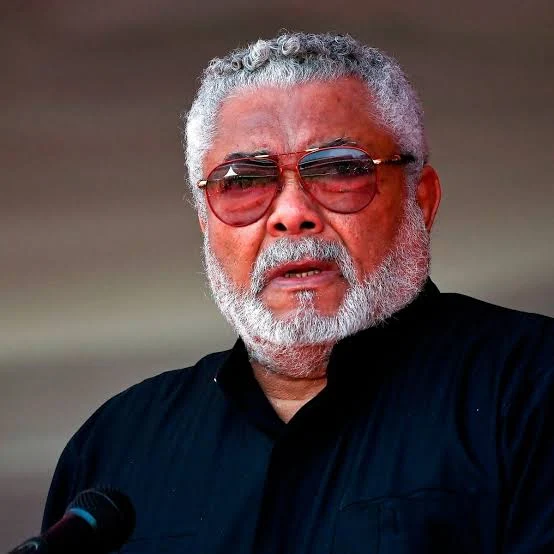
NDC Renames Headquarters ‘Jerry Rawlings House’ on Founder’s 79th Birthday.


Follow Nukunya
Get the latest breaking news and updates from Nukunya.
Ghana’s governing National Democratic Congress has renamed its national headquarters in Accra after founder and former President Jerry John Rawlings, unveiling a memorial bust as part of events marking what would have been his 79th birthday.
ACCRA, Ghana — Ghana’s governing National Democratic Congress (NDC) on Monday renamed its national headquarters “Jerry Rawlings House” and unveiled a memorial bust of its founder, former President Jerry John Rawlings, as supporters and party officials marked what would have been his 79th birthday.
The headquarters, located in Adabraka in Accra, will now officially bear the name of the late statesman, whose influence continues to shape both the NDC and Ghana’s wider political landscape more than five years after his death.
The ceremony formed part of a broader programme of commemorative activities organised in collaboration with the J.J. Rawlings Foundation. Party leaders, supporters and invited guests gathered to celebrate the life and legacy of the man widely regarded as one of the most consequential figures in Ghana’s modern political history.
A memorial bust of Rawlings was unveiled within the party complex during the ceremony, creating a permanent monument to the NDC founder and former head of state.
President John Dramani Mahama, who leads both the government and the NDC, was expected to participate in events honouring Rawlings, alongside senior party officials and members of the Rawlings family. Activities surrounding the commemoration also included lectures and exhibitions examining his political legacy and contribution to Ghana’s democratic development.
Why the Renaming Matters Now
The commemoration comes at a significant moment for the NDC following its return to government under President Mahama. For many within the party, the decision to rename the headquarters reflects an effort to preserve Rawlings’ legacy while reaffirming the values and identity that shaped the NDC’s origins. Party leaders have increasingly referenced Rawlings’ emphasis on accountability, discipline and grassroots political mobilisation as the governing party seeks to define its current direction.
The naming of the headquarters therefore carries both symbolic and political significance, linking the party’s present leadership with its historical foundations.
From Revolutionary Leader to Democratic President
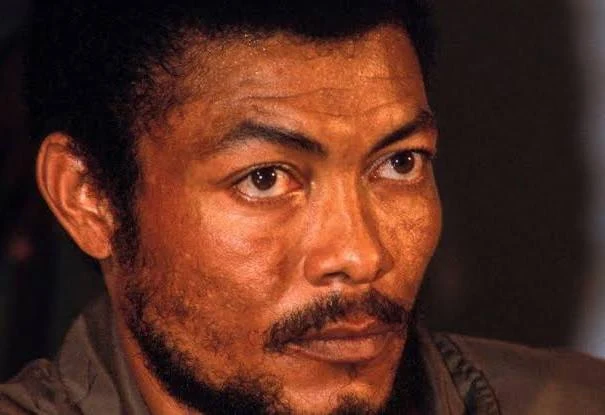
Rawlings remains one of the most influential figures in Ghana’s post-independence history.
He first emerged on the national stage in 1979 following a military uprising that led to a brief period of military rule before a return to civilian government. In 1981, he again seized power and led the Provisional National Defence Council (PNDC). In the early 1990s, Rawlings oversaw Ghana’s transition to constitutional rule and subsequently became the country’s first president under the Fourth Republic. He won democratic elections and served two presidential terms from 1993 until 2001.
His presidency coincided with major economic reforms and institutional development that many analysts regard as important milestones in Ghana’s democratic consolidation.
A Legacy That Continues to Shape Ghana
Rawlings’ legacy remains both influential and complex.
Supporters credit him with helping stabilise Ghana’s democratic transition, strengthening public institutions and championing accountability in public life. Critics, meanwhile, continue to debate aspects of his military rule and the human rights record associated with the revolutionary period.
Yet across Ghana’s political spectrum, Rawlings is widely recognised as a central figure in shaping the country’s modern political order. Few political leaders have left such a lasting imprint on Ghana’s democratic evolution, and his influence continues to be felt in national discussions about governance, leadership and public accountability.
Beyond Party Politics
Although closely associated with the NDC, Rawlings’ significance extends beyond partisan politics. Supporters and critics alike acknowledge his role in shaping the Fourth Republic and helping establish the democratic framework that has underpinned Ghana’s political stability for more than three decades.
The headquarters renaming therefore serves not only as an internal party tribute but also as a reflection on a wider chapter of Ghana‘s national history. As Ghana continues to navigate contemporary challenges in governance and development, Rawlings remains a reference point in debates about political leadership, state accountability and democratic responsibility.
Context
Why This Matters
- Jerry Rawlings founded the NDC and remains its most influential historical figure.
- The NDC is one of Ghana’s two dominant political parties and currently forms the government.
- The renaming preserves Rawlings’ legacy for future generations.
- The move highlights the continued relevance of historical political figures in Ghana’s democratic development.
- It comes as Ghana continues broader conversations about leadership, governance and accountability.
Key Facts
What We Know
- The NDC headquarters in Adabraka has been renamed Jerry Rawlings House.
- A memorial bust of Rawlings was unveiled during the ceremony.
- The event coincided with what would have been Rawlings’ 79th birthday.
- Activities were organised in conjunction with the J.J. Rawlings Foundation.
- President Mahama and senior NDC officials participated in commemorative events.
Related posts:
 Asiedu Nketia’s tour fuels debate over future NDC flagbearer ambitions
  Ghana Parliament Passes Human Sexual Rights and Family Values Bill
  Mahama Calls for Renewed Pan-African Unity and Reparations Agenda During UK Visit
  Mahama Bans Ministers, State CEOs From Accepting Private Awards Without Approval
  Mahama Begins Belarus Visit as Ghana Pursues Agriculture and Investment Deals