Abu Trica’s Lawyer Alleges Client Was Denied Access Before US Extradition
Lawyer Oliver Barker-Vormawor alleges Ghanaian authorities denied him access to Abu Trica before his extradition to the United States. Officials had not publicly responded at publication.


Follow Nukunya
Get the latest breaking news and updates from Nukunya.
Lawyer Oliver Barker-Vormawor says Ghanaian authorities failed to allow him access to his client before Frederick Kumi, known as Abu Trica, was extradited to the United States. The allegations have not been publicly addressed by the Attorney-General’s Office.
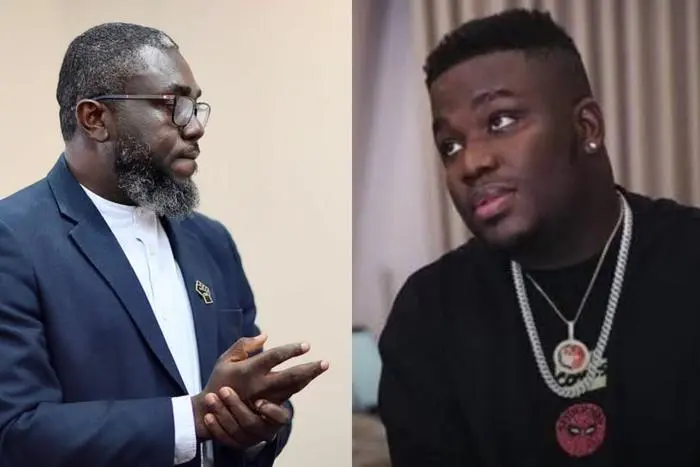
ACCRA, Ghana – Lawyer Oliver Barker-Vormawor has alleged that Ghanaian authorities denied him access to his client, Frederick Kumi, popularly known as Abu Trica, before the businessman was extradited to the United States to face criminal charges.
The allegations were made on Thursday after Kumi was transferred to US custody following a High Court ruling approving his extradition in response to a request from American authorities. He is expected to face charges linked to an alleged international romance fraud scheme involving approximately US$8 million. The allegations remain before the courts, and Kumi is presumed innocent unless proven guilty.
In a statement posted on social media, Barker-Vormawor said neither he nor members of the defence team were formally notified before the extradition took place. He argued that repeated attempts to meet his client while he remained in Ghanaian custody were unsuccessful despite efforts involving several state institutions.
According to the lawyer, the defence informed the High Court that it had written to the Attorney-General seeking permission to meet Kumi before the extradition. Barker-Vormawor said the request was not granted and that attempts to determine his client’s whereabouts through the Ghana Police Service’s Interpol Division were unsuccessful.
He further claimed that while the court was considering whether defence lawyers should be granted access to their client, Kumi had already left Ghana.
Barker-Vormawor argued that the timing undermined the court proceedings and raised broader questions about the protection of a suspect’s constitutional rights during extradition proceedings. He said the defence intends to pursue further legal action, including asking the courts to consider constitutional questions arising from the case.

In a separate statement, Barker-Vormawor said he only became aware that his client had been extradited after the transfer had already taken place. He questioned why the defence had not been informed beforehand and said the process denied his legal team an opportunity to consult with Kumi immediately before his removal from Ghana.
Neither the Attorney-General’s Office nor other Ghanaian authorities had publicly responded to Barker-Vormawor’s allegations at the time of publication. Nukunya News has not independently verified the lawyer’s claims regarding communications between the defence and state institutions.
Kumi was arrested in Ghana in December 2025 after the United States requested his extradition. The High Court in Accra approved the request earlier this month. US prosecutors allege that he participated in an international romance fraud network that deceived victims through online relationships before obtaining money through false representations. Those allegations will be tested before a US court.
Extradition proceedings are governed by Ghanaian law and applicable bilateral arrangements. While the High Court determines whether the legal requirements for surrender have been met, questions concerning due process during the proceedings may still be raised before higher courts if constitutional issues arise.
Legal analysts say the latest claims are likely to focus attention on whether defence lawyers had adequate access to their client before the extradition was carried out. However, those questions remain separate from the criminal allegations Kumi is expected to face in the United States.
Why This Matters
International extradition cases often involve complex legal procedures balancing international law enforcement cooperation with the procedural rights of individuals. The proceedings continue to attract public attention because they involve both domestic and cross-border legal processes.
Why This Matters
The case highlights the balance between international law enforcement cooperation and the procedural rights of individuals facing extradition.
Any future court proceedings in Ghana could provide additional legal clarity regarding defence access, procedural safeguards and the operation of extradition law under Ghana’s legal framework.
Key Facts
- Frederick Kumi, widely known as Abu Trica, has been extradited to the United States.
- United States prosecutors allege he participated in an international romance fraud scheme.
- Lawyer Oliver Barker-Vormawor alleges he was denied access to his client before the extradition.
- Ghanaian authorities had not publicly responded to those allegations at the time of publication.
- The allegations against Kumi remain before the courts, and he is presumed innocent unless proven guilty in court.
Related posts:
 High Court Sets July 9 Hearing in Abu Trica Extradition Case
  Ghana court orders extradition of influencer Abu Trica to US over alleged US$8 million romance fraud Ghana Extradites Abu Trica to US Over Alleged $8 Million AI-Linked Romance Fraud Scheme
  Court Sets July 10 Hearing After Former NAFCO CEO’s Airport Arrest
  Missing Newborn at Salaga Hospital Sparks Police Investigation