
Kevin Keegan dies aged 75 after a remarkable career that transformed English football

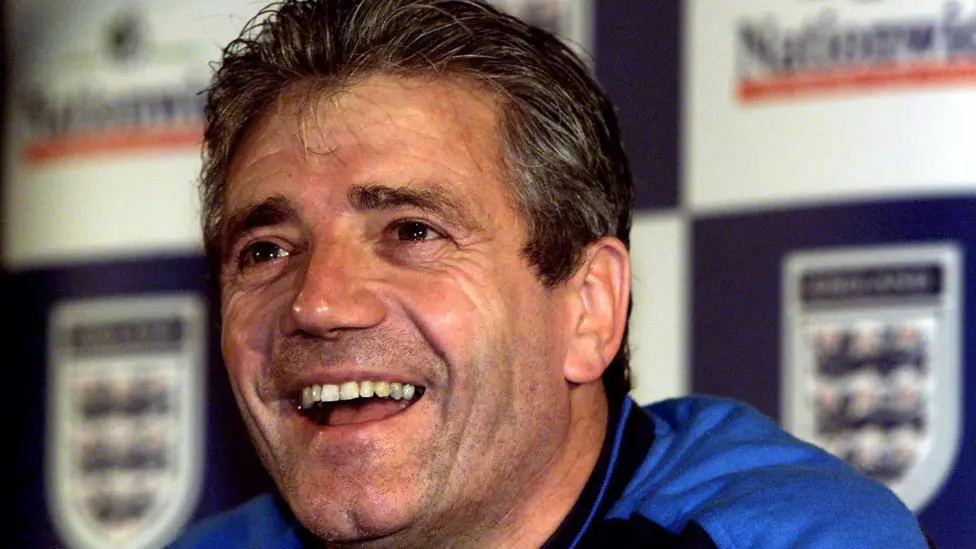

LONDON — Kevin Keegan, one of the most recognisable figures in English football whose extraordinary career took him from Liverpool legend to Newcastle United icon and England manager, has died at the age of 75. Keegan’s family confirmed his death on Sunday. He leaves behind a football legacy that stretched more than five decades and influenced generations of players, supporters and managers across Europe.
Few figures embodied football’s evolution during the 1970s, 1980s and 1990s quite like Keegan. As a player, he won major honours with Liverpool, conquered Germany with Hamburg, claimed two consecutive Ballon d’Or awards and captained England. As a manager, he transformed Newcastle United from a struggling second-tier club into genuine Premier League title challengers.
His death prompted tributes from across football, with clubs, former teammates, supporters and governing bodies remembering a man whose infectious enthusiasm and attacking philosophy made him one of the game’s most admired personalities.
From lower-league football to European greatness
Born in Armthorpe, near Doncaster, Keegan began his professional career at Scunthorpe United before Liverpool manager Bill Shankly signed him in 1971.
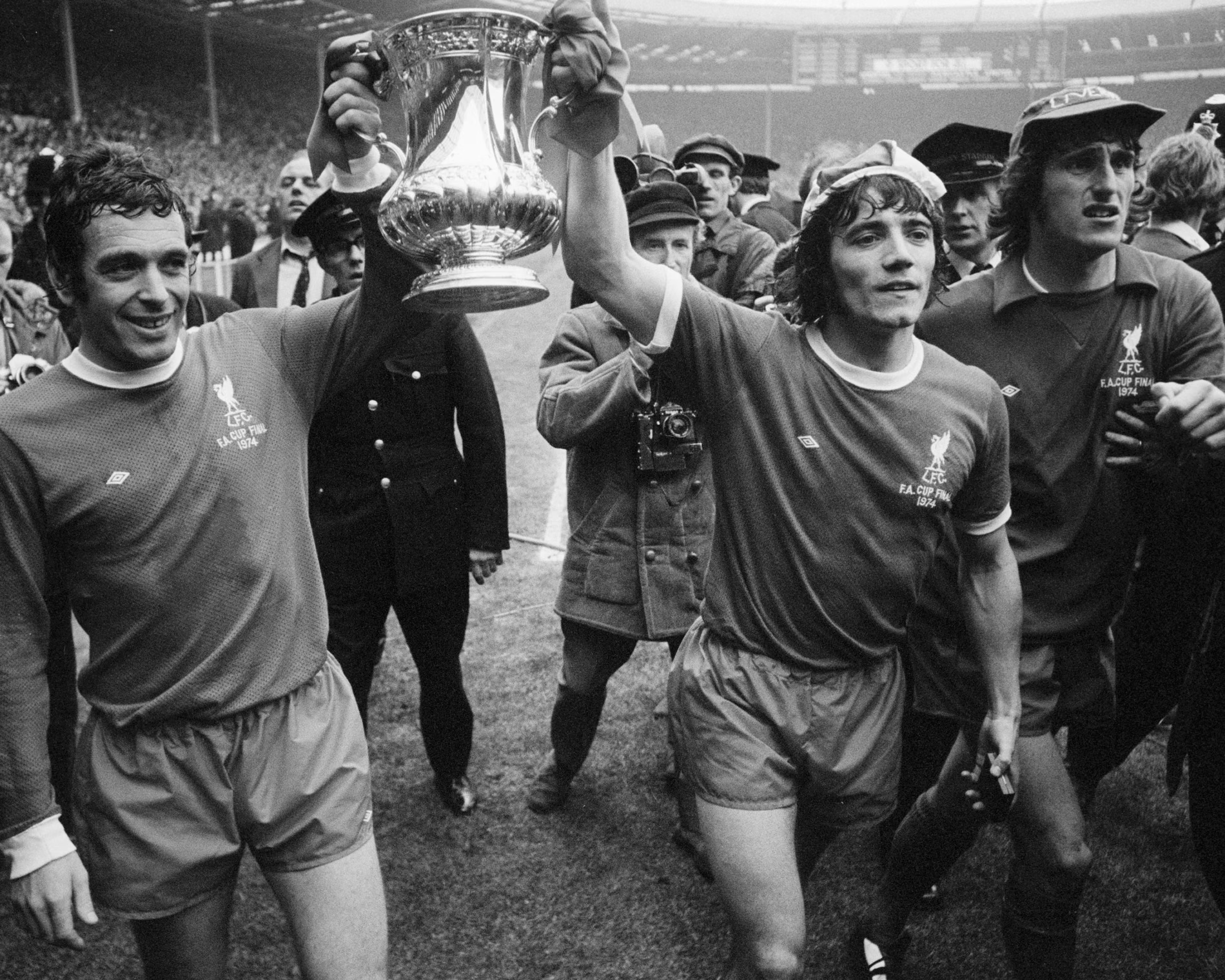
The move proved transformative. Partnering striker John Toshack, Keegan became central to one of Liverpool’s greatest eras, helping the club win three First Division titles, the FA Cup, two UEFA Cups and the European Cup.
Kevin Keegan’s performances were defined not only by goals but also by relentless energy, movement and determination. Although never the tallest striker, his aerial ability and work rate became hallmarks of his game. One of his finest moments came in the 1974 FA Cup final, when he scored twice against Newcastle United as Liverpool secured a convincing victory at Wembley.
Ballon d’Or success in Germany
Seeking a new challenge, Kevin Keegan left Liverpool for Hamburg in 1977.
The move surprised many observers, but it elevated his global reputation.
He led Hamburg to the Bundesliga title and won the Ballon d’Or in both 1978 and 1979, becoming one of the world’s most celebrated footballers.
His popularity extended well beyond Germany, where supporters admired both his ability and his approachable personality.
England captain
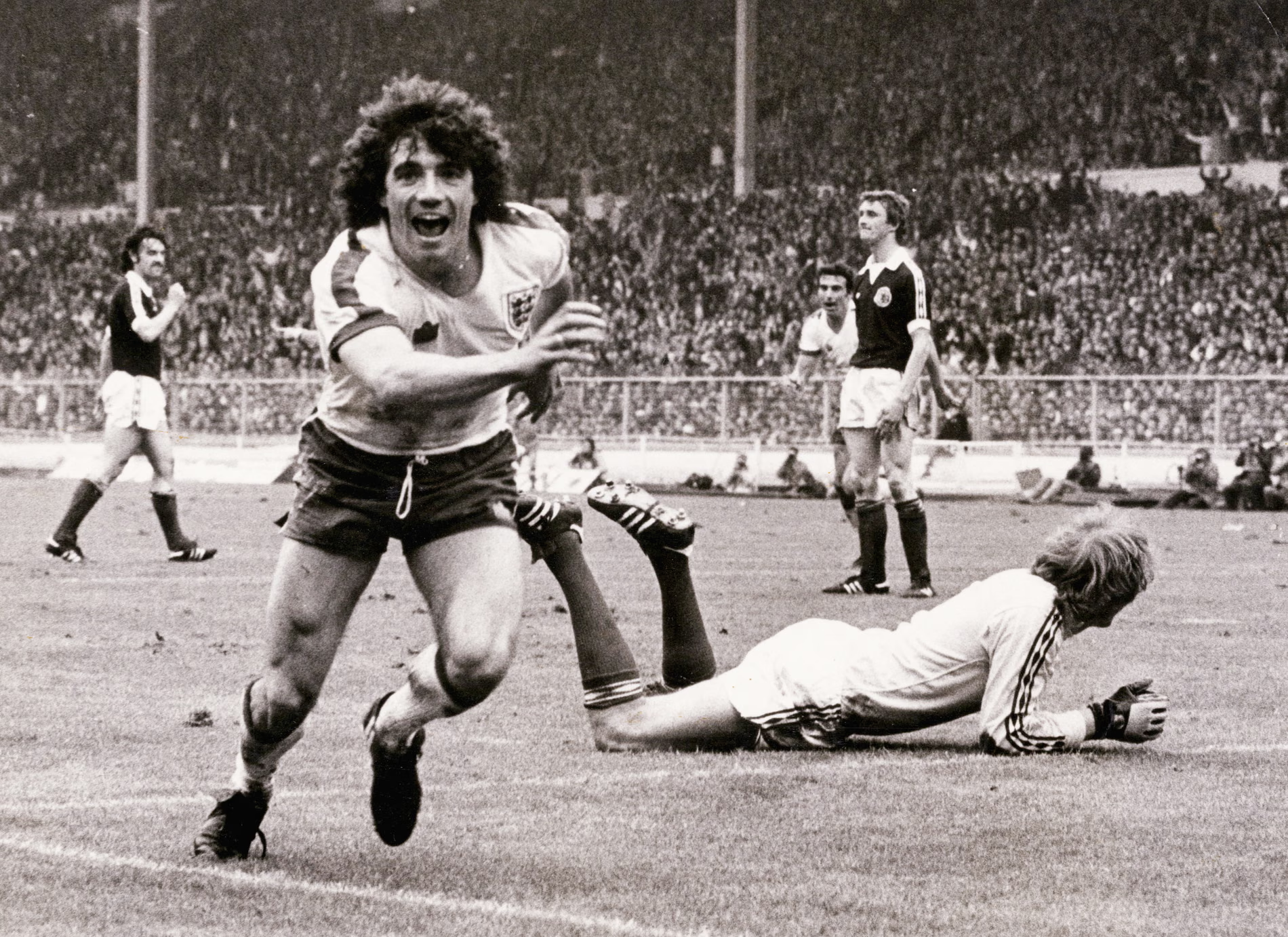
Internationally, Keegan earned 63 England caps, scored 21 goals and captained his country on 31 occasions. He represented England during a difficult period that included unsuccessful World Cup qualification campaigns before leading the national side at UEFA Euro 1980. Persistent back problems limited his impact at the 1982 FIFA World Cup in Spain, which proved to be his final major international tournament before retiring from England duty.
Newcastle’s beloved hero
Although Keegan enjoyed success throughout Europe, it was Newcastle United where he forged perhaps his deepest emotional connection with supporters.
Joining the club as a player in 1982, he helped Newcastle win promotion to the top division before retiring in 1984. His return as manager in 1992 became one of English football’s defining stories.
Taking charge when Newcastle were struggling in the old Second Division, Keegan inspired promotion to the Premier League before assembling an exciting attacking side featuring players including Andy Cole, David Ginola, Les Ferdinand and later Alan Shearer.
His Newcastle team became renowned for fearless, attacking football that captivated supporters across England. Although they narrowly missed out on the Premier League title in 1995-96 after surrendering a 12-point lead, that team remains one of the competition’s most celebrated nearly sides.
Keegan’s passionate declaration, “I would love it if we beat them,” delivered during the title race with Manchester United, became one of English football’s most enduring television moments.
England manager
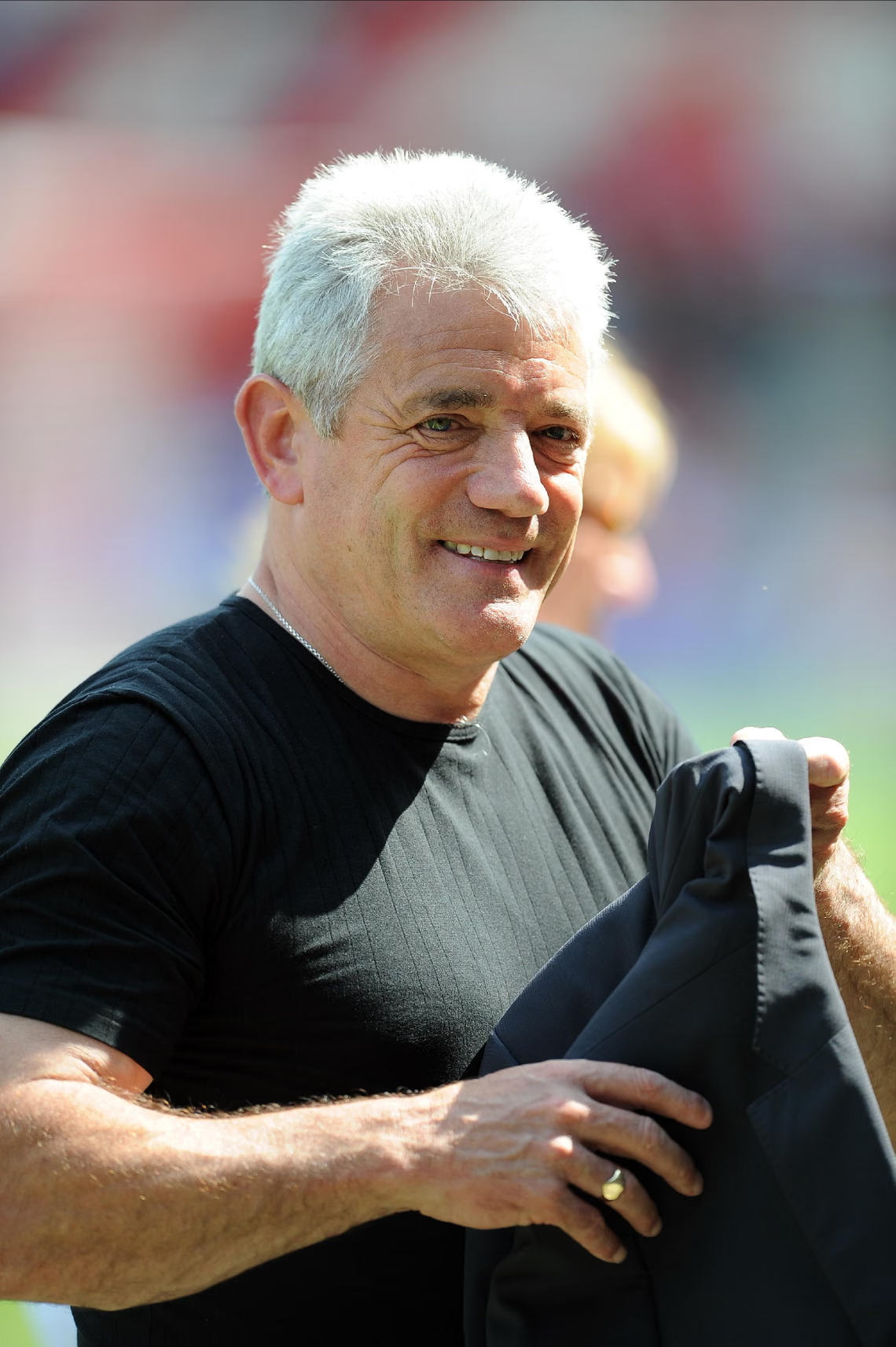
Keegan later managed Fulham before taking charge of England in 1999. His appointment followed a successful spell as caretaker manager, but international management proved more challenging. England qualified for UEFA Euro 2000, where an early group-stage exit led to mounting criticism. He resigned later that year following a World Cup qualifying defeat to Germany at Wembley.
More than trophies
Keegan’s influence extended beyond statistics and silverware. He helped redefine the image of the modern football superstar during the 1970s while remaining widely regarded as approachable, energetic and deeply committed to the game.
His leadership style as a manager prioritised attacking football and emotional connection with supporters, qualities that earned him lasting admiration, particularly on Tyneside. Outside football, he briefly pursued a music career and appeared regularly on television, further cementing his place in British popular culture.
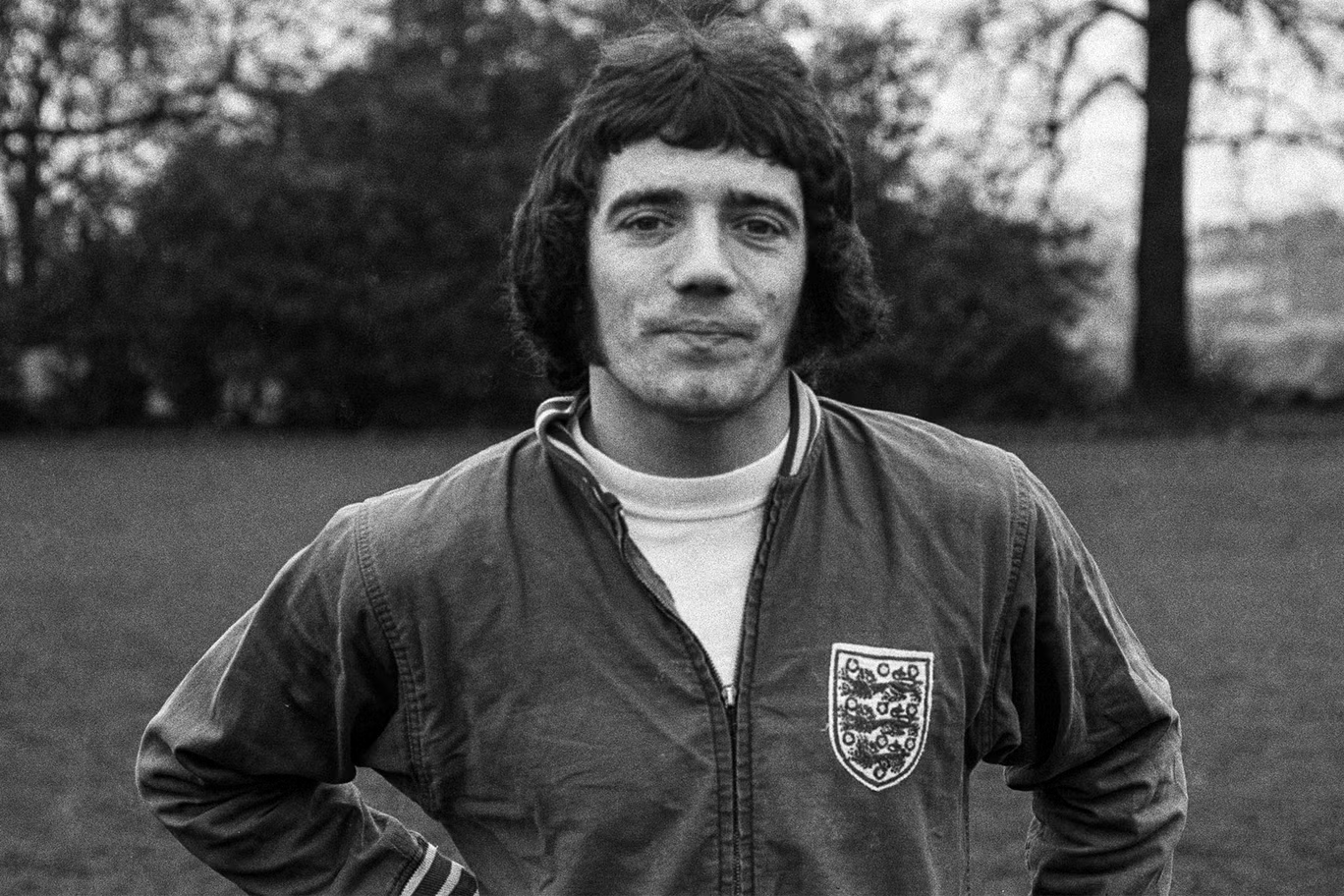
A legacy that endures
Keegan’s career reflected both triumph and resilience. He won league championships in England and Germany, lifted European football’s biggest prizes, twice claimed the Ballon d’Or and inspired clubs as both player and manager.
For Newcastle supporters, he represented hope and ambition. For Liverpool fans, he remains one of the architects of the club’s rise to European dominance. For England supporters, he embodied commitment and passion during one of the national team’s most challenging eras.
His influence on English football continues to resonate through the generations of players, coaches and supporters who grew up watching one of the game’s most charismatic figures. Kevin Keegan was 75.
Why This Matters
Kevin Keegan belonged to a generation that helped transform English football into a global sport.
His achievements bridged the domestic and European games, while his attacking philosophy as a manager influenced how many supporters remember the early Premier League era.
As both a player and coach, Keegan represented an era in which charisma, ambition and expressive football helped broaden the international appeal of the English game.
Career at a Glance
- Born
- 14 February 1951, Armthorpe, England
- Died
- Aged 75
- Playing clubs
- Scunthorpe United, Liverpool, Hamburg, Southampton and Newcastle United
- England record
- 63 caps and 21 goals
- Ballon d’Or
- Winner in 1978 and 1979
- Managed
- Newcastle United, Fulham, England and Manchester City
From English Football to European Stardom
- 01 Scunthorpe United
Keegan began his professional career before earning a move to one of England’s leading clubs.
- 02 Liverpool
He became a major figure in a side that won domestic and European honours.
- 03 Hamburg
His success in Germany elevated him into one of Europe’s most celebrated players.
- 04 England
Keegan won 63 caps, scored 21 goals and became one of the national team’s most recognisable players.
- 05 Management
His attacking football at Newcastle United became one of the defining features of the early Premier League period.
Key Takeaways
- 01
Kevin Keegan was one of the most influential English football figures of his generation.
- 02
He won major honours in England and Germany and lifted the European Cup.
- 03
Keegan won the Ballon d’Or in consecutive years, in 1978 and 1979.
- 04
He earned 63 England caps and scored 21 international goals.
- 05
His attacking managerial style left a lasting mark on the early Premier League era.
Related posts:
 Harry Maguire omitted from England World Cup squad as Ivan Toney recalled
  Barcelona Sign Anthony Gordon from Newcastle in Major Summer Transfer
  Liverpool Sack Premier League-Winning Manager Arne Slot and Target Iraola
  Cristiano Ronaldo’s World Cup Dream Ends in Tears as Portugal Exit to Spain
  England’s World Cup Bronze Reveals Thomas Tuchel’s Biggest Lesson Ahead of Euro 2028