
Why More Ghanaians Are Being Diagnosed with Type 2 Diabetes

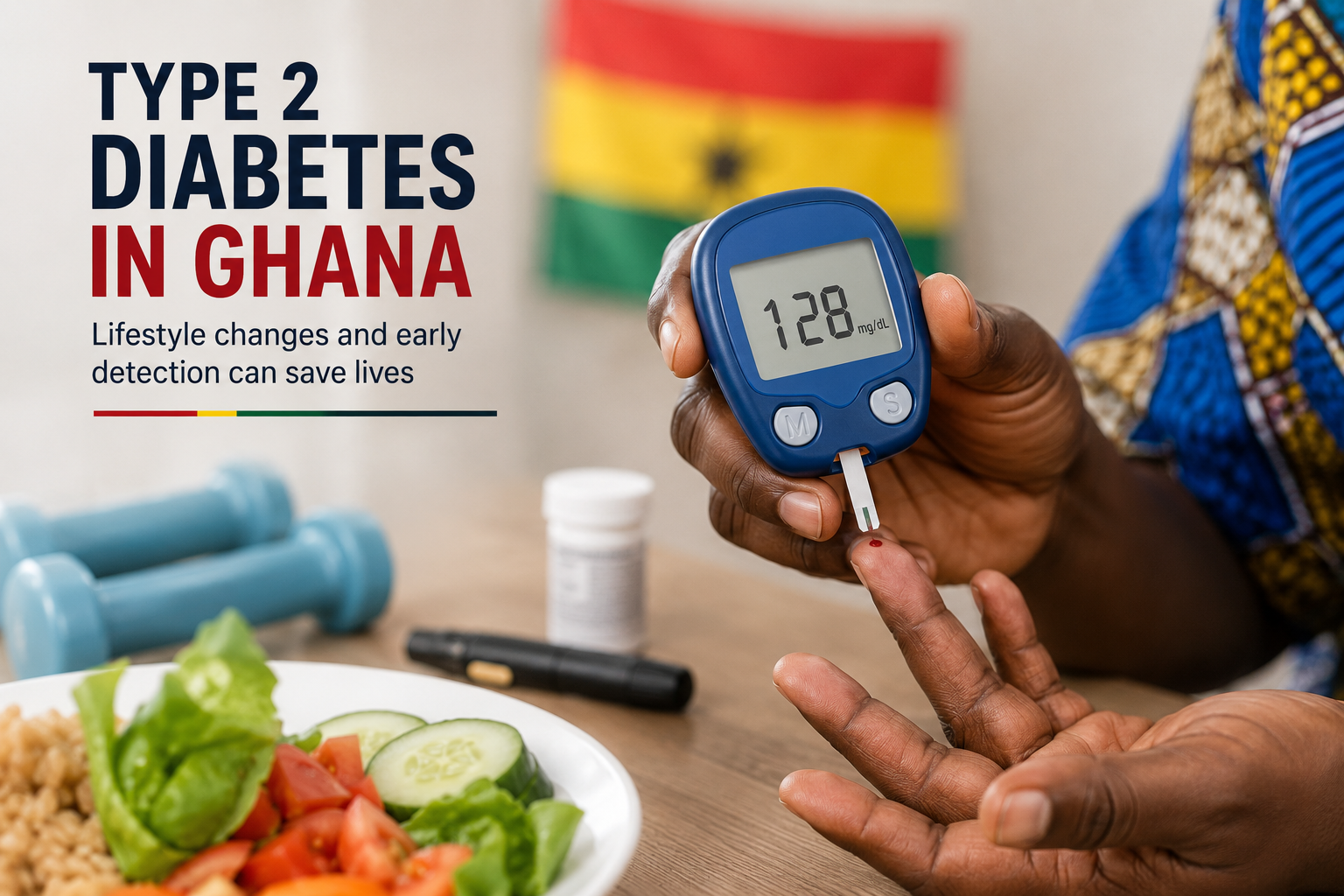

Lifestyle Changes, Urbanisation and Poor Diets Linked to Increase in Diabetes Diagnoses
ACCRA, Ghana – Health experts in Ghana are raising concerns over the increasing prevalence of Type 2 Diabetes, warning that changing lifestyles, unhealthy diets and reduced physical activity are contributing to a growing public health challenge across the country. Medical professionals say more Ghanaians are being diagnosed with the chronic condition, which affects the body’s ability to regulate blood sugar levels. While diabetes has traditionally been associated with older adults, healthcare providers are now reporting a growing number of younger patients seeking treatment for the disease.
Type 2 Diabetes is one of the most common non-communicable diseases globally and has become a significant health concern in many African countries, including Ghana. The condition can lead to serious complications such as heart disease, kidney failure, blindness and stroke if left untreated.
Rising Burden on Ghana’s Healthcare System
Public health specialists say the increasing number of diabetes cases is placing additional pressure on Ghana’s healthcare system, which is already managing infectious diseases such as malaria and tuberculosis alongside other chronic illnesses. According to health experts, urbanisation has played a significant role in the rise of Type 2 Diabetes. More people are consuming processed foods high in sugar, salt and unhealthy fats while engaging in less physical activity than previous generations.
“Many people now spend long hours sitting at work, rely heavily on motorised transport and consume more processed foods than before,” said a public health practitioner in Accra. “These lifestyle factors significantly increase the risk of developing Type 2 Diabetes.”
Healthcare providers note that obesity, high blood pressure and family history are among the leading risk factors associated with the disease.
Younger Adults Increasingly Affected
Medical practitioners say one of the most worrying trends is the growing number of younger adults being diagnosed with Type 2 Diabetes. Historically, the condition was more commonly found among people over the age of 45. However, doctors report that diagnoses among people in their twenties and thirties have become more frequent.
Experts attribute this shift to sedentary lifestyles, increased consumption of sugary beverages and changing dietary habits. Nutritionists are encouraging individuals to reduce their intake of highly processed foods and increase consumption of fruits, vegetables, whole grains and locally produced nutritious foods.
“The disease is increasingly affecting economically active adults, which can have implications for productivity and household incomes,” a nutrition specialist said.
Economic Impact on Families
The financial burden of diabetes can be substantial for many Ghanaian households. Patients often require regular medical consultations, blood sugar monitoring, medication and lifestyle management programmes. For those who develop complications, treatment costs can rise significantly.
Health advocates say early diagnosis and preventive healthcare measures could help reduce long-term costs for families and the national healthcare system. Some patients also face challenges accessing specialised diabetes care, particularly in rural communities where healthcare facilities may be limited.
Importance of Early Detection
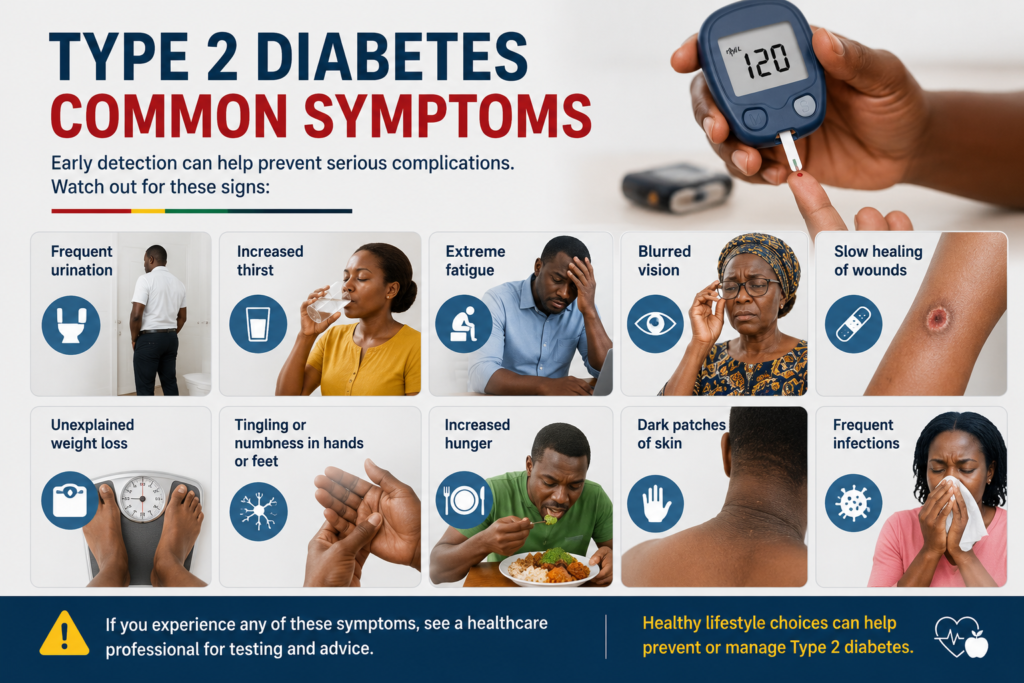
Health professionals stress that many people may be living with diabetes without knowing it. Common symptoms include excessive thirst, frequent urination, unexplained weight loss, fatigue and blurred vision. However, some individuals may not experience noticeable symptoms during the early stages of the disease.
Doctors are encouraging Ghanaians to undergo regular health screenings, especially those with a family history of diabetes, obesity or high blood pressure. Early detection allows patients to make lifestyle changes and begin treatment before serious complications develop.
Government and Health Sector Response
Ghanaian health authorities have increasingly highlighted the need to address non-communicable diseases as part of broader public health strategies. Health campaigns promoting healthy eating, regular exercise and routine medical check-ups have become more common in recent years.
Medical experts say schools, workplaces and local communities can play an important role in encouraging healthier lifestyles and reducing risk factors associated with diabetes. Public health advocates are also calling for stronger policies aimed at reducing the consumption of sugar-sweetened beverages and increasing awareness about nutrition.
Prevention Remains Key
Experts agree that while Type 2 Diabetes is a serious health condition, many cases can be prevented through lifestyle changes. Regular physical activity, maintaining a healthy weight, eating balanced meals and avoiding excessive consumption of sugary foods and drinks are among the most effective preventive measures.
Healthcare professionals are urging Ghanaians to take proactive steps to protect their health as the country faces a growing burden of non-communicable diseases.
As Ghana continues to develop and urbanise, experts say addressing the rise of Type 2 Diabetes will require coordinated action involving government agencies, healthcare providers, schools, businesses and individuals.
Without sustained intervention, they warn, the disease could become one of the country’s most significant public health challenges in the coming decades, affecting both quality of life and economic productivity for millions of citizens.
Related posts:
 The Hidden Power of Sleep: 4 Essential Reasons It Supports Health, Wellbeing and Long-Term Survival
  Extreme Heat: 5 Effective Ways to Protect Yourself During High Temperatures
  6 Prostate Cancer Symptoms: Why Every Man Should Get Their Prostate Checked
  The Silent Struggle of PCOS: How Women Are Learning to Take Back Control
  Hirsutism: The 5 Reasons That Causes Excess Hair Growth and Emotional Stress