African Trade and Diaspora Economy: Trends and Challenges

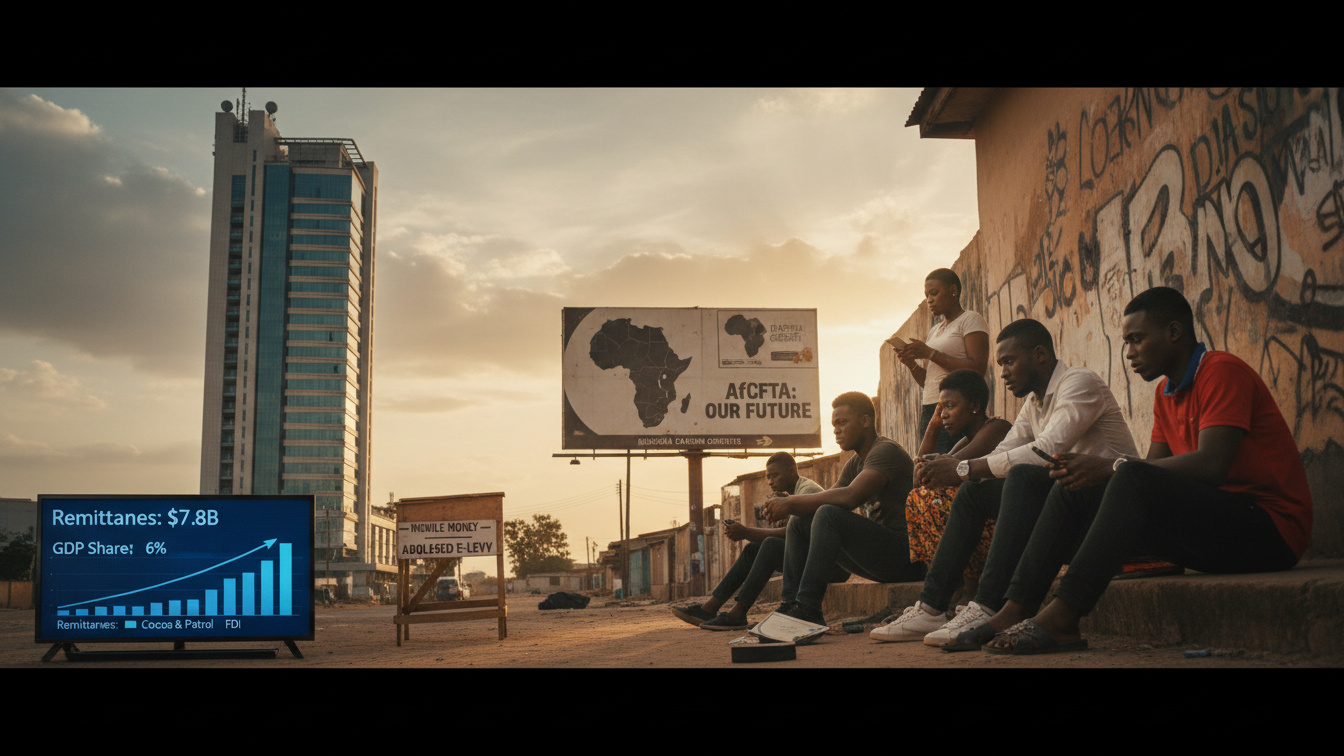

Evolution of the African trade and diaspora economy
The landscape of African trade and diaspora economy is entering a transformative phase as traditional trade agreements face significant restructuring. A pivotal shift is scheduled for January 1, 2027, when the United States is set to implement the AGOA removal 2027 for specific nations, including South Africa and Rwanda. This decision marks a critical juncture for regional trade stability, forcing African policymakers to look beyond preferential trade access toward more sustainable, internally driven economic models.
Ghana’s Economic Paradox: Record Remittances vs. Rising NEET Rates
Ghana presents a stark example of the “internal pressures” facing modern African states. In 2026, the country recorded a historic milestone in financial inflows, yet this success highlights a deepening structural disconnect. According to Dr. Johnson Asiama, Governor of the Bank of Ghana, African diaspora remittances 2026 reached nearly $7.8 billion, representing approximately 6% of the national GDP. This figure is roughly three times the $2.5 billion recorded in foreign direct investment (FDI) over the same period, surpassing the combined value of cocoa and petroleum exports ($3.09 billion).
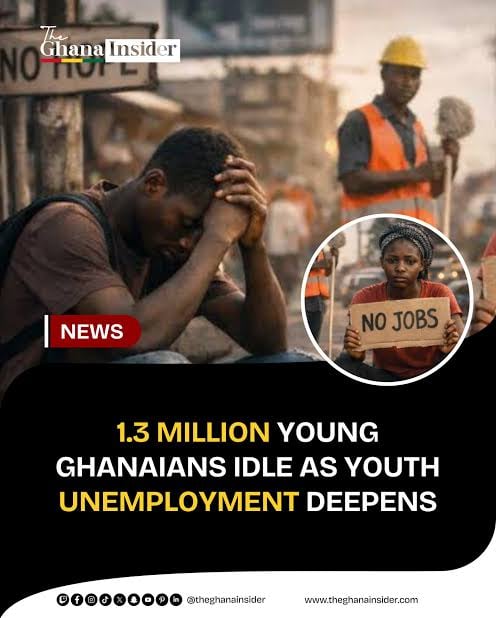
However, this influx of capital exists alongside a staggering domestic labor crisis. Data from the Ghana Statistical Service (GSS) reveals that 1.95 million young Ghanaians are currently classified as NEET (not in education, employment, or training). Key findings from the 2025-2026 reporting period include:
- The Ghana youth unemployment rate stands at 21.9%, nearly double the national average of 12.8%.
- In the capital, Greater Accra, the youth unemployment rate has reached a peak of 31.9%.
- Approximately 60% of the 300,000 graduates entering the labor market annually fail to secure durable employment, according to Employment Minister Abdul-Rashid Hassan Pelpuo.
This paradox suggests that while the diaspora is effectively “carrying the weight” of the economy, the domestic market is failing to translate these capital inflows into sustainable jobs for the 12 million people aged 15 to 35 who make up the largest youth population in Ghana’s history.
The New African Financial Architecture: Beyond Traditional Remittances
To address the reliance on consumption-based remittances, the African Development Bank Diaspora Initiative is spearheading a movement to transform how diaspora capital is utilized. Scheduled for presentation in Paris on November 9, 2026, this initiative aims to mobilize diaspora resources as a “catalyst for the New African Financial Architecture for Development (NAFAD).”
Building on the Brazzaville Appeal adopted during the Bank Group’s 2026 Annual Meetings, the initiative seeks to move from mere commitment to concrete action. The goal is to transition from simple cash transfers to productive investments in infrastructure, entrepreneurship, and skills transfer. By engaging the diaspora as strategic partners rather than just sources of altruistic aid, the AfDB and President Dr. Sidi Ould Tah aim to create institutional mechanisms that protect diaspora wealth while fueling Africa’s industrial transformation.
Sustainability and Green Finance: The SOAD-SALI Technologies Partnership
Modern African governance is also expanding into the realm of environmental economics. In October 2026, the State of the African Diaspora (SOAD) signed a Memorandum of Understanding (MOU) with SALI Technologies. This partnership is specifically designed to develop State of the African Diaspora carbon credits, positioning the continent to leverage its vast natural resources for green finance.
This move into carbon markets represents a sophisticated layer of economic governance, allowing African nations to monetize environmental conservation. By integrating green technology with diaspora-led investment, the SOAD is attempting to create new revenue streams that are independent of traditional western trade quotas or volatile commodity prices.
Soft Power and Repatriation: Cultural Tools for Economic Integration
Cultural reconnection is increasingly viewed as a pillar of economic policy. The Decade of Our Repatriation (D.O.O.R.), a landmark initiative launched at the University of Ghana in late 2026, seeks to turn Pan-African discourse into measurable socio-economic integration. Hon. James Gyakye Quayson, Deputy Minister for Foreign Affairs, emphasized that the diaspora is a “powerful catalyst for development” through innovation and tourism.
To support this cultural economy, the State of the African Diaspora’s Minister of Heritage, Marie-Ange Billot, has introduced the PATCH Label (Pan-African Traditional Cultural Heritage). This label serves as a tool to authenticate and celebrate Pan-African artists and cultural products, ensuring that the “soft power” of African heritage translates into tangible economic benefits for creators across the continent and the diaspora.
Conclusion: Balancing Domestic Pressures with Global Opportunities
The geopolitical landscape of 2027 demands a dual-track strategy for African governance. While initiatives like NAFAD and the D.O.O.R. program offer a path toward harnessing the $7.8 billion diaspora economy, these external gains must be met with internal structural reforms. Bridging the gap between record-breaking remittances and the high youth unemployment rates in hubs like Greater Accra is essential. Only by converting diaspora capital into durable local industries can African nations mitigate the impact of shifting trade barriers and ensure that the continent’s largest-ever youth generation becomes an engine of growth rather than a source of instability.
Related posts:
 Africa Must Help Shape Global AI Rules: BoG Governor
 Bank of Ghana suspends proposed 0.75% mobile money transfer fee
 Mahama Calls for Renewed Pan-African Unity and Reparations Agenda During UK Visit
 GhIPSS returns GH¢14.58m dividend to Bank of Ghana after profitable year
 Ghana’s $21bn gold exports reveal the challenge behind Mahama’s 2030 mineral processing plan.