Santiago Peña Impeached Amid Bank Collapse Crisis
President Santiago Peña impeached and under house arrest following the Ueno Bank collapse. Discover what this historic Paraguayan crisis means for global.


The Fall of Santiago Peña: A Historic Impeachment: Santiago peña impeached
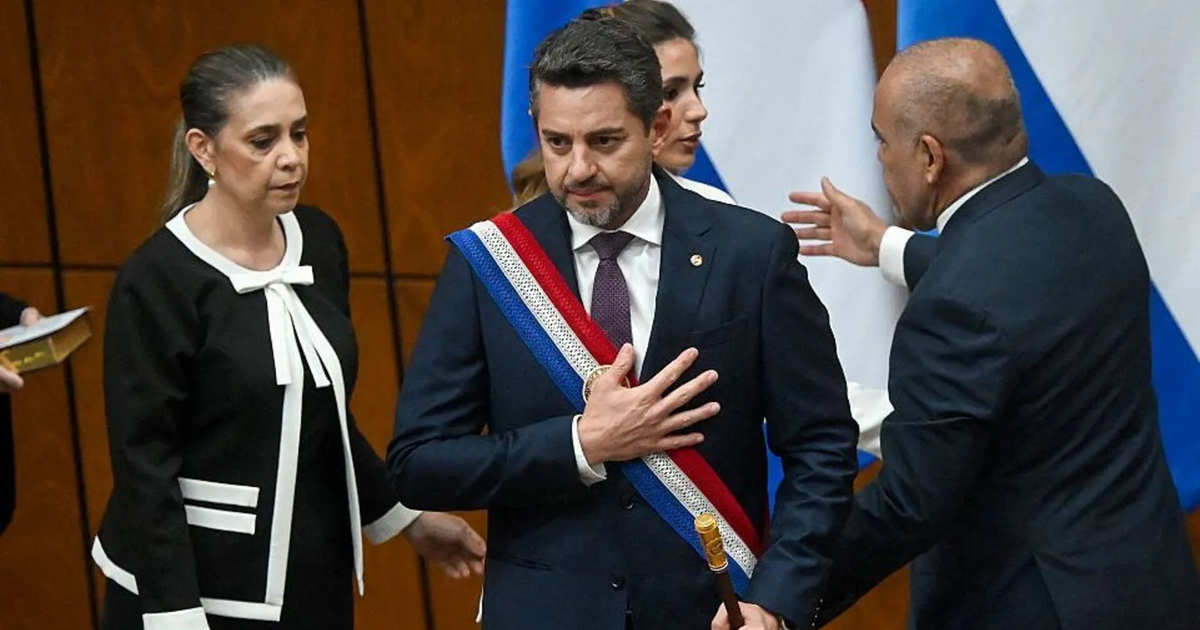
This article covers santiago peña impeached and what it means for you. In a rapid and dramatic shift of power, Paraguayan President Santiago Peña has been removed from office and placed under house arrest following a decisive vote by the national Senate. The move marks one of the most significant political upheavals in recent South American history, as the 47-year-old economist saw his administration crumble in a matter of days. On Friday, November 6, the Senate convened to finalize his removal, resulting in a near-unanimous 44-0 vote (with one lawmaker absent) to convict him of misconduct in office.
The Santiago Peña impeached proceedings were initiated with startling speed, following the legislature’s refusal to accept his voluntary resignation. Instead of allowing a peaceful transition of power via a resignation speech, Congress chose the path of formal removal to ensure full banking sector accountability. Moments after the legislative tally was finalized, law enforcement and prosecutors descended upon the president’s private residence in Asunción. Prosecutor Elena Fiore Franco confirmed that Peña did not resist, voluntarily allowing officers to enter his home to enforce the house arrest order as he awaits further criminal proceedings.
Ueno Bank Collapse: The Catalyst for Crisis

The primary driver behind this Paraguay political crisis was the sudden and catastrophic failure of Ueno Bank. As a financial institution with deep ties to the nation’s economic infrastructure, its collapse sent shockwaves through the population. Reports indicate that the failure left over half of the country’s citizens—approximately 60% by some estimates—unable to access their savings or daily transaction funds. The scale of the freeze led to widespread public safety concerns as citizens took to the streets in protest, demanding immediate government intervention.
Critics and prosecutors allege that the Peña administration’s handling of the bank’s liquidity issues was not merely negligent but potentially criminal. The freezing of accounts across the nation created a vacuum of trust in the financial system, leading lawmakers to argue that the president could no longer lead a country where the majority of the workforce had been rendered penniless overnight. The collapse served as the ultimate evidence of “misconduct in office,” providing the legal grounds for the Senate to move against the head of state.
Impeachment vs. Resignation: Why the Difference Matters
In Paraguayan law, a president who successfully resigns usually transitions to a lifetime senate seat, providing them with legal immunity. By rejecting Santiago Peña’s resignation and opting for impeachment, the Senate effectively stripped him of these protections, allowing prosecutors to immediately place him under house arrest.
One of the most tactical elements of this crisis was the Senate’s refusal to accept Santiago Peña’s offer to step down. While Peña attempted to stabilize the situation by offering a video resignation, the legislature recognized that accepting it would grant him certain protections. By choosing to pursue a formal conviction, the Senate ensured a specific legal outcome:
- Loss of Immunity: Under Paraguayan law, former presidents are typically granted a lifetime seat in the Senate, which comes with legislative immunity. Impeachment strips the individual of this privilege.
- Criminal Prosecution: By removing him via a 44-0/44-1 vote, the Senate cleared the way for the judiciary to investigate Peña as a private citizen, rather than a protected former official.
- Political Accountability: Lawmakers argued that a simple resignation would not provide the justice demanded by the millions of citizens affected by the Ueno Bank collapse.
A Nation Under House Arrest: The Legal Fallout
The immediate aftermath of the vote saw Pedro Alliana president-designate take the oath of office to serve the remainder of the term, which concludes in August 2028. Alliana, a former Speaker of the Chamber of Deputies and a member of the ruling Colorado Party, now faces the monumental task of restoring confidence in the banking sector. Alongside him, former health minister Antonio Barrios has been stepped up to the role of vice-president.
“He voluntarily allowed officers to enter and made himself available for all procedural purposes.”
— Prosecutor Elena Fiore Franco via The Guardian / 3News
As Asunción house arrest orders are enforced, the legal team for the ousted president maintains that he is being used as a scapegoat for systemic banking failures. However, the presence of prosecutors at his residence signals a long-term legal battle. The focus now shifts to the “procedural purposes” mentioned by the prosecution, which include investigating the flow of funds within Ueno Bank and determining if executive orders contributed to the disappearance of public savings.
Lessons for Ghana’s Political Stability
While the events in Paraguay are geographically distant, they offer critical insights for developing democracies, including Ghana. The intersection of organized crime and politics often manifests in the banking sector, where weak regulation can lead to national instability. The Paraguayan crisis demonstrates that even high-ranking officials are not beyond the reach of the law when financial mismanagement threatens the survival of the populace.
For Ghanaian observers, the swift impeachment highlights the importance of strong legislative oversight. It serves as a reminder that the stability of a nation is often tied to the transparency of its financial institutions. The move to prioritize accountability over political courtesy—by rejecting a resignation in favor of impeachment—sets a global precedent for how governments might handle future banking crises that verge on state failure.