Ato Forson Briefs Chiefs on 2027 Budget New Economy Plan
Finance Minister Dr. Ato Forson briefs chiefs on the New Economy plan ahead of the 2027 Budget presentation, aimed at structural economic transformation in.

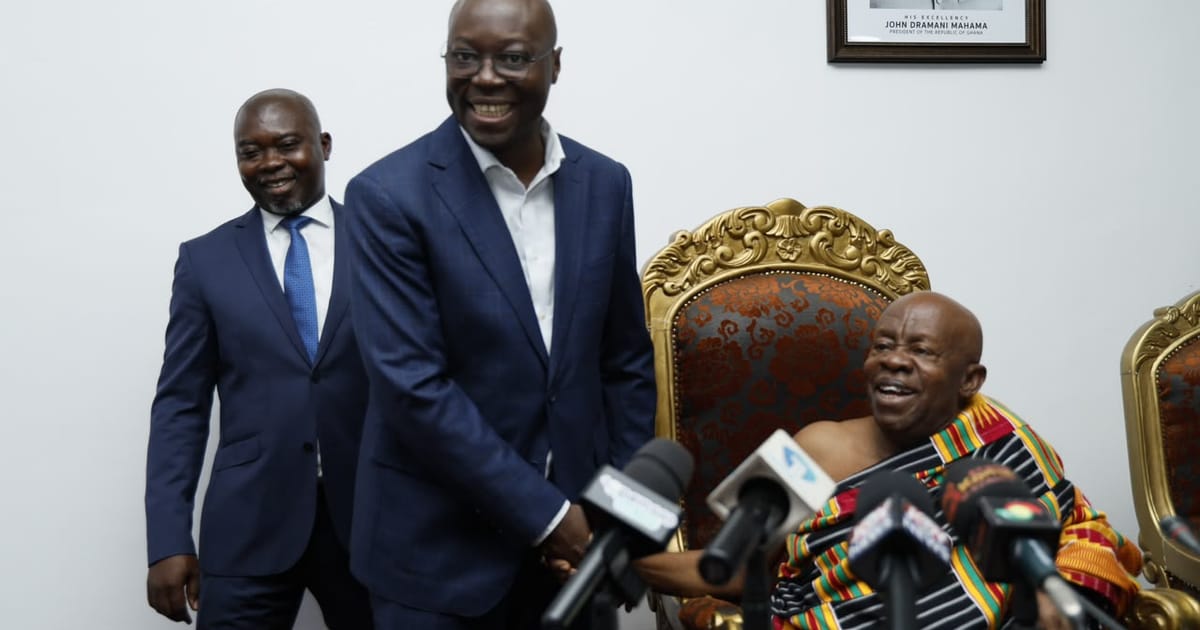

Dr. Ato Forson Briefs the National House of Chiefs

“The New Economy is the Government of Ghana’s four-year programme to transform the structure of the Ghanaian economy.”
— Dr. Cassiel Ato Forson, Finance Minister
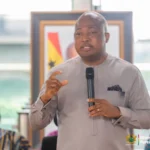
In a high-level consultative meeting held in Kumasi, the Finance Minister, Dr. Cassiel Ato Forson, briefed the National House of Chiefs on the foundational pillars of the upcoming 2027 Budget. The primary focus of the discussion centered on the “New Economy” programme, a flagship initiative designed to steer the country toward a more sustainable and self-reliant financial future. By engaging with traditional leaders, the government aims to secure grassroots support and ensure that the proposed economic shifts are culturally and socially aligned with the needs of various regions.
Dr. Forson emphasized that the involvement of the National House of Chiefs is not merely ceremonial. As custodians of land and heritage, the chiefs play a pivotal role in the success of any large-scale Ghana economic transformation. The Minister used the platform to detail how the 2027 Budget will move beyond simple fiscal management into a period of aggressive structural change. This briefing serves as a precursor to the formal parliamentary presentation, signaling a strategy of transparency and inclusive governance before the national policy is codified into law.
Structural Goals of the New Economy Programme
The New Economy programme is framed as a comprehensive four-year roadmap intended to fundamentally overhaul the nation’s productive sectors. According to Dr. Forson, the initial phase of the current administration’s tenure was focused on economic stabilization. With a baseline of stability established, the 2027 Budget marks the transition into a transformative phase. This shift seeks to reduce the heavy reliance on raw commodity exports and instead foster a modernized, industrialized economy that can withstand global market fluctuations.
Dr. Forson explained that the structural goals of the New Economy are built upon diversifying revenue streams and enhancing the value chain within the agricultural and manufacturing sectors. By incentivizing local production and reducing the import bill, the government intends to create a more resilient domestic market. This four-year plan is not just about balancing the books; it is about changing how wealth is generated and distributed across the country, ensuring that the “New Economy” is visible in both urban centers and rural districts.
Traditional Leadership’s Response and Expectations
The President of the National House of Chiefs, Ogyeahoho Yaw Gyebi II, welcomed the Finance Minister’s presentation, commending him for his dedication to the national interest. While acknowledging the progress made in stabilizing the fiscal environment, the traditional leaders were vocal about the specific challenges facing their communities. Ogyeahoho Yaw Gyebi II specifically highlighted the urgent need for the 2027 Budget to address youth unemployment in Ghana, noting that the energy and potential of the younger generation remain the country’s most significant untapped resource.
The chiefs expressed a desire to see tangible projects that translate policy into local prosperity. References were made to regional development efforts, such as those championed by figures like Volta Regional Minister James Gunu, as templates for how local administration and central government can collaborate on infrastructure and social projects. The leadership of the House urged the Finance Minister to ensure that the “New Economy” provides clear pathways for technical and vocational training, ensuring that the youth are equipped for the jobs of tomorrow.
What the New Economy Means for Ordinary Ghanaians
Traditional leaders, led by Ogyeahoho Yaw Gyebi II, have specifically requested that this new framework addresses the rising rate of youth unemployment, which remains a primary concern for families across Ghana.
For the average citizen, the high-level rhetoric of the 2027 Budget must translate into lower costs of living and better employment prospects. The government’s economic reform agenda aims to bridge the gap between macroeconomic statistics and the “pocketbook” reality of the populace. At its core, the New Economy signifies a shift toward job-intensive growth. Rather than relying on capital-intensive sectors that offer few roles for local workers, the new framework prioritizes industries that can absorb a diverse workforce, from university graduates to skilled artisans.
Furthermore, the transformation of the economic structure is expected to lead to greater price stability for essential goods. By strengthening the cedi through increased exports and reduced dependence on foreign finished products, the government hopes to curb the inflationary pressures that have historically burdened Ghanaian households. Dr. Forson’s briefing suggests that the 2027 Budget will contain specific tax incentives and support packages for small and medium-sized enterprises (SMEs), which remain the backbone of the Ghanaian labor market.
Unveiling the 2027 Budget
The formal unveiling of the 2027 Budget and the detailed New Economy programme is scheduled for mid-November. This event will provide the specific figures, tax adjustments, and expenditure allocations that will define the upcoming fiscal year. Following the presentation, the document will undergo rigorous debate in Parliament, where the legislative branch will scrutinize the proposed investments in infrastructure, healthcare, and education.
The timeline for the rollout of these policies is as follows:
- Formal Presentation: Thursday, 12 November 2026.
- Parliamentary Review: Late November through December 2026.
- Implementation Phase: Beginning January 1, 2027.
- Mid-Year Review: Scheduled for July 2027 to assess the early impact of the structural reforms.
Budget and Policy FAQs
As the nation prepares for the formal announcement, several questions remain regarding the scope and scale of the New Economy. Many are curious about how the four-year plan will be funded without significantly increasing the national debt. Dr. Forson has hinted at a strategy involving more efficient domestic revenue mobilization and the closure of tax loopholes, rather than relying solely on external borrowing. Others are concerned with the immediate relief measures for the cost of living, which the Minister asserts will be a natural byproduct of the structural shifts toward local production.
Another area of interest is the role of technology within the 2027 Budget. The New Economy seeks to digitize more aspects of the financial system to increase transparency and reduce corruption. This digital push is expected to simplify the process for entrepreneurs to register businesses and access government services, further stimulating the private sector. The upcoming budget statement is expected to provide the definitive answers to these and other pressing questions regarding Ghana’s path to prosperity.