US Expands AI Safety Testing Before Public Release of New Models

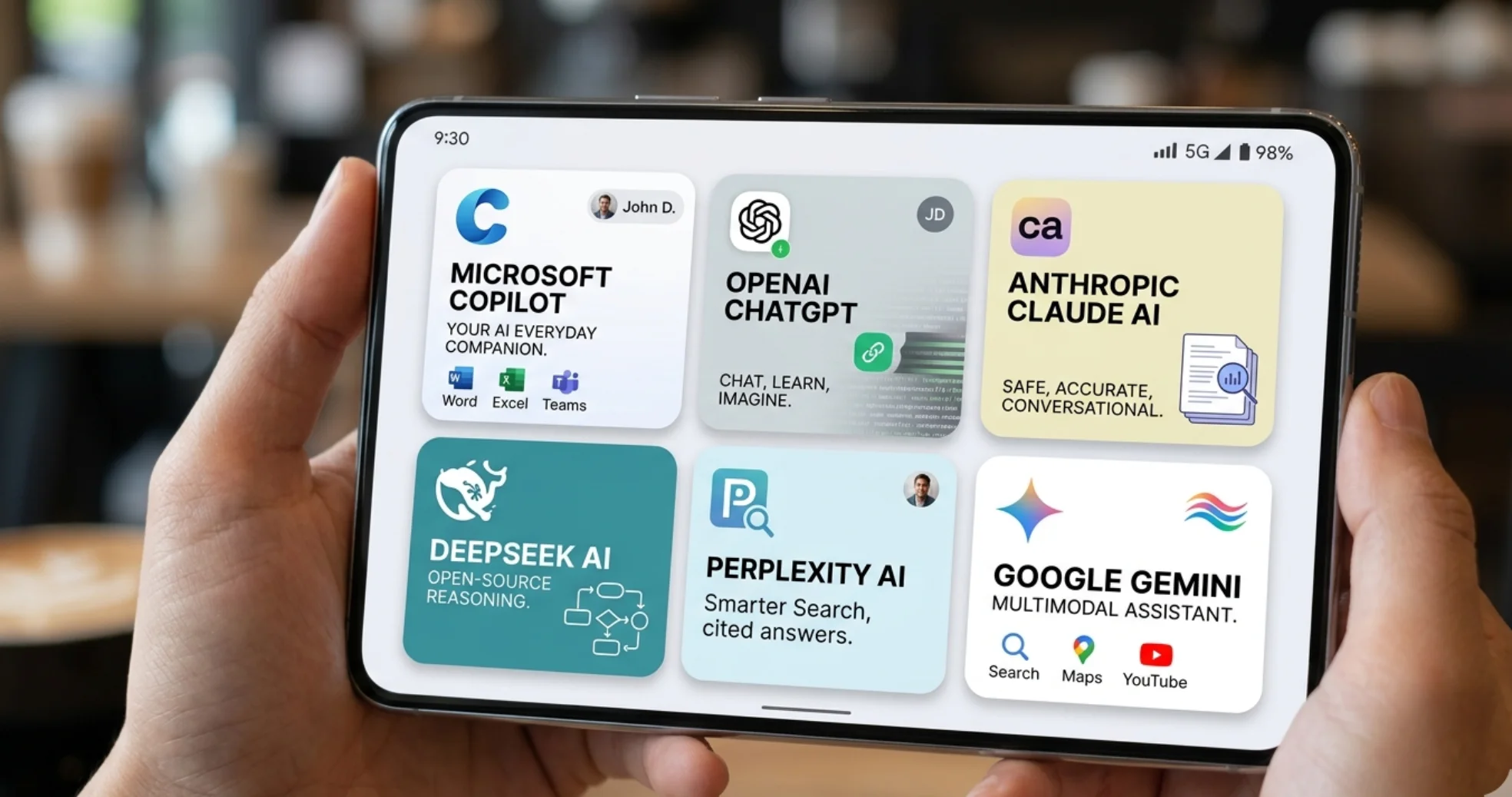

The US government is increasing safety checks on powerful AI models before release amid fears the technology could be exploited for cybercrime and disinformation.
WASHINGTON, United States — 6 May 2026
US government AI model testing is set to expand after major technology companies agreed to allow federal authorities to evaluate advanced artificial intelligence systems before their public release, marking a shift towards tighter oversight of emerging technologies. Microsoft, Google and xAI will provide early access to unreleased AI models to government agencies, according to the National Institute of Standards and Technology (NIST). The initiative aims to assess risks linked to cybersecurity, national security and public safety as AI systems become more powerful and widely deployed.
US government AI model testing expands oversight
The agreements will allow the Center for AI Standards and Innovation, within the US Department of Commerce, to evaluate new AI systems before they are launched. Officials said the centre will conduct both pre-release and post-deployment testing, with more than 40 AI model evaluations already completed. Chris Fall, director of the centre, said rigorous testing is essential as AI capabilities advance.
“Independent, rigorous measurement science is essential to understanding frontier AI and its national security implications,” he said. Microsoft said such collaboration is necessary because risks linked to advanced AI systems extend beyond the capabilities of individual companies. Testing for national security and large-scale public safety “must be a collaborative endeavour with governments”, the company said in a statement.
Why governments are stepping in now
The move follows rising concern over the potential misuse of increasingly powerful AI systems, particularly in cybersecurity. Anthropic’s latest AI model, known as Mythos, has raised alarm among policymakers and industry experts due to its potential to accelerate cyberattacks.
The company has restricted access to the model and delayed a full public release, citing risks that it could be exploited by hackers and state actors. Experts say advanced AI systems can identify and exploit software vulnerabilities at a scale and speed far beyond human capability. A single AI system could scan for weaknesses and potentially exploit them faster than hundreds of human hackers, according to researchers. Anthropic said its model has already identified “thousands” of previously unknown vulnerabilities, though independent verification remains limited. These developments have prompted governments to reassess how they evaluate AI systems before release.
Human impact: security, jobs and public trust
For businesses and individuals, stronger oversight could reduce the risk of AI-enabled cybercrime, including fraud, infrastructure attacks and data breaches. Cybersecurity experts say pre-release testing may help identify vulnerabilities before systems widely deploy, potentially reducing exposure to large-scale attacks. However, increased scrutiny could also slow product development and raise compliance costs for technology firms. Jessica Ji, a researcher at Georgetown University, said government agencies lack the technical resources of major technology companies. “They simply don’t have the same amount of resources… to do rigorous testing,” she said, emphasising the necessity of industry cooperation.
Opposing view: concerns over innovation and regulation
Some analysts warn that increased government involvement could affect innovation and competitiveness in the AI sector. Technology firms have historically favoured voluntary standards, arguing that excessive regulation could delay deployment and reduce their global competitiveness. A White House spokesperson said discussions around formal policy measures are ongoing and that the administration will announce any decisions officially. Others argue that voluntary agreements may not go far enough without enforceable regulatory frameworks.
Policy shift under review
The initiative signals a broader shift in US AI policy, moving away from a largely hands-off approach towards more structured oversight. Officials are considering a formal review process for advanced AI systems, potentially involving external experts and advisory groups. The approach reflects growing international attention on AI governance, with governments seeking to balance innovation with risk management.
What this means
The expansion of US government testing of AI models reflects a fundamental shift in how policymakers view artificial intelligence. Previously seen primarily as a tool for productivity and innovation, advanced AI increasingly serves as a dual-use technology with significant security implications.
Institutions such as NIST and the US Department of Commerce are taking on a more central role in setting safety and evaluation standards. Compared with earlier approaches that relied on voluntary industry commitments, the current direction suggests movement towards formalised oversight mechanisms.
Globally, regulatory approaches differ. The European Union has introduced comprehensive AI legislation, while the US has focused on partnerships and standards development. The gap between policy and practice remains significant. While testing frameworks are expanding, enforcement mechanisms are still evolving. For businesses, the shift may introduce new compliance requirements and influence how AI systems are designed and deployed. For the public, stronger testing could improve safety and trust, particularly in sectors such as finance, healthcare and critical infrastructure. The long-term impact will depend on how effectively governments, industry and international partners coordinate to manage risks without limiting technological progress.
Sources: National Institute of Standards and Technology; US Department of Commerce; Anthropic; Microsoft; Georgetown Center for Security and Emerging Technology.
Additional reporting and analysis by Nukunya News Desk
Related posts:
 Google I/O 2026: Google Unveils Gemini 3.5, AI Search and New AI Tools
  Who decides what AI tells you? Ex‑Meta news chief Campbell Brown weighs in
  Ghana Partners Google for Education to Expand AI and Digital Skills in Schools
  Xreal Smart Glasses: Google Partner Says Industry Is Finally Ready
  Pope Leo XIV Urges AI ‘Disarmament’ in Major Vatican Warning on Technology Risks