
The Silent Struggle of PCOS: How Women Are Learning to Take Back Control


I Learned It Was More Common Than I Thought
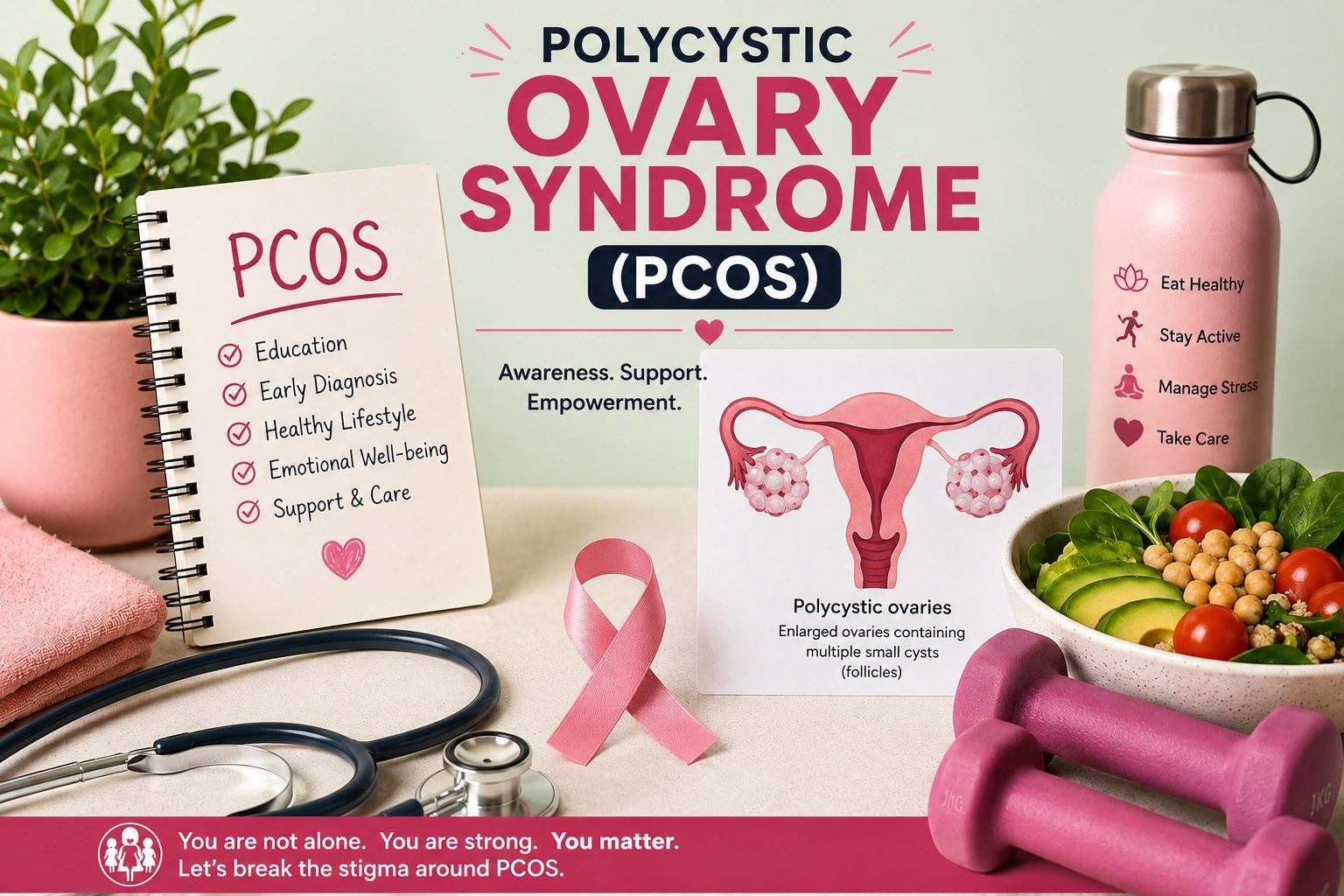
For years, many women suffering from Polycystic Ovary Syndrome, PCOS is now known as PMOS (polyendocrine metabolic ovarian syndrome), have quietly battled symptoms they often struggle to explain.
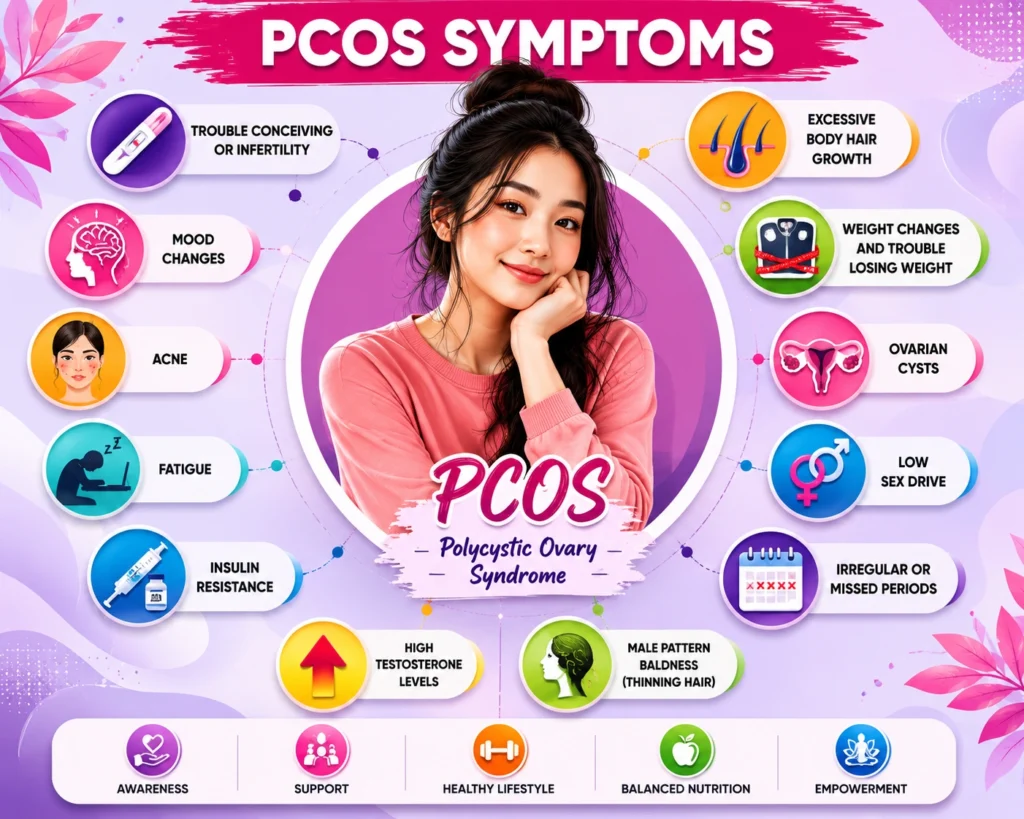
- The sudden weight gain.
- The missed periods.
- The stubborn acne that refuses to disappear past adolescence.
- The excessive facial hair.
- The exhaustion.
For some, it becomes a daily fight against a body that no longer feels familiar. “I thought something was wrong with me” is a phrase commonly repeated in PCOS support groups and clinics across the UK.
Yet according to the World Health Organization, PCOS affects an estimated 10–13% of women of reproductive age globally, making it one of the most common hormonal conditions in the world. Despite this, experts believe up to 70% of cases remain undiagnosed. For many women, the diagnosis often comes only after years of confusion and frustration.
“I Knew Something Wasn’t Right”
The symptoms can begin subtly. Periods become irregular. Weight becomes harder to manage despite healthy eating. Hair begins appearing in unexpected places while thinning on the scalp. Mood swings and fatigue slowly chip away at confidence. The NHS describes PCOS as a condition affecting how the ovaries work, often linked to hormone imbalance and insulin resistance. But for many women, the emotional toll can feel just as overwhelming as the physical symptoms.
One woman described constantly cancelling social plans because she felt embarrassed about severe acne and facial hair growth. Another spoke about the anxiety of not knowing when — or if — her period would arrive each month. Others say they felt dismissed when they first sought medical help, with symptoms blamed on stress, weight, or lifestyle alone.
More Than Just a Fertility Condition
PCOS is often associated with infertility, but health experts increasingly warn that the condition reaches far beyond reproductive health. According to NICE guidance on PCOS, the condition is linked to insulin resistance and can increase the risk of:
- Type 2 diabetes
- High blood pressure
- High cholesterol
- Sleep apnoea
- Anxiety and depression
Many women also experience chronic inflammation, fatigue, and mental health struggles that can affect relationships, work, and self-esteem. “It’s exhausting constantly trying to explain symptoms people can’t see,” one patient said during a recent awareness campaign.
Learning That PCOS Can Be Managed
For many women, receiving a diagnosis eventually brings relief rather than fear. There is currently no cure for PCOS, but doctors say symptoms can often be managed successfully through lifestyle support and medical treatment.
The NHS recommends:
- Regular exercise
- A balanced diet
- Weight management where appropriate
- Medical treatment tailored to symptoms
Even modest weight loss can improve hormone balance and menstrual regularity for some women. Others find that strength training, reducing processed foods, improving sleep, and managing stress levels help reduce flare-ups and improve energy. Some women require medication to regulate periods, improve insulin sensitivity, manage acne, or support fertility. But experts increasingly emphasise that treatment should never focus purely on weight alone.
The Mental Health Impact Often Goes Unnoticed
Perhaps one of the least discussed aspects of PCOS is its emotional impact. The World Health Organization notes that women with PCOS experience higher rates of anxiety and depression compared with the general population. Living with unpredictable symptoms, body image concerns, and hormonal fluctuations can leave many feeling isolated. Social media has helped shift some of that silence. Thousands of women now openly share their experiences online, helping others realise they are not alone. What once felt deeply personal is increasingly being recognised as a widespread women’s health issue that deserves more awareness, earlier diagnosis, and better support.
Breaking the Shame Around PCOS
For too long, many women with PCOS have felt pressured to hide their symptoms. But doctors and campaigners say the conversation is finally changing. Greater awareness means more women are recognising symptoms earlier and seeking help sooner. Medical understanding of the condition is also evolving, with researchers increasingly viewing PCOS as a broader metabolic and hormonal disorder rather than simply an ovarian condition. For the millions affected worldwide, that shift matters. Because while PCOS can impact nearly every part of a woman’s life, it does not define her future. And for many women finally receiving answers, that knowledge alone can feel life-changing.
Related posts:
 Social media linked to higher loneliness, as study highlights limits of online friendships
  Extreme Heat: 5 Effective Ways to Protect Yourself During High Temperatures
  The Hidden Power of Sleep: 4 Essential Reasons It Supports Health, Wellbeing and Long-Term Survival
  6 Prostate Cancer Symptoms: Why Every Man Should Get Their Prostate Checked
  Warning Signs of Stress: 10 Hidden Symptoms Your Body Should Never Ignore