
Warning Signs of Stress: 10 Hidden Symptoms Your Body Should Never Ignore
Signs of stress and the importance of recognising it early.


Follow Nukunya
Get the latest breaking news and updates from Nukunya.
Warning signs of stress are becoming increasingly common in today’s fast-paced world. Work pressure, financial worries, poor sleep and constant digital overload have left millions of people feeling emotionally and physically exhausted. While in the short-term it is a natural response, medical experts say chronic stress can quietly damage the body over time.
According to the NHS, it can affect mood, behaviour, sleep, digestion and overall physical health. Research also shows that chronic stress may increase the risk of anxiety, depression, heart disease and weakened immunity.
When the body experiences stress, it releases hormones such as cortisol and adrenaline. These hormones trigger the body’s “fight or flight” response, increasing heart rate, blood pressure and alertness. While this response can be useful in dangerous situations, prolonged stress keeps the body in a constant state of tension. Over time, this can negatively affect the immune system, mental health and major organs. Health experts say recognising the early warning signs is essential before it develops into more serious health problems.
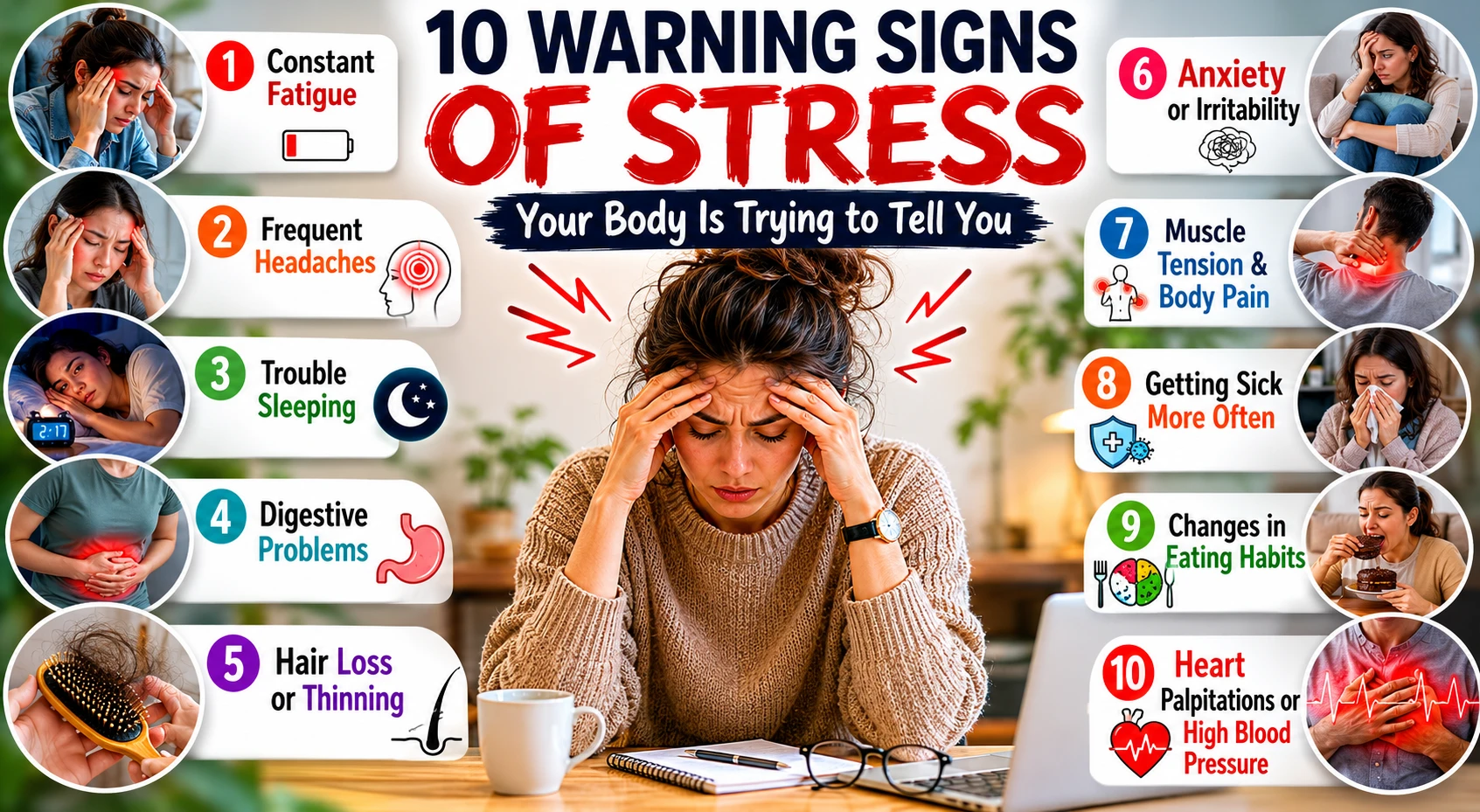
Constant Fatigue and Low Energy
One of the most common symptoms of chronic stress is persistent tiredness. It can interfere with sleep quality, hormone regulation and mental recovery, leaving people feeling drained even after resting. Many people experiencing stress-related fatigue also report:
- Brain fog
- Poor concentration
- Lack of motivation
- Daytime exhaustion

Frequent Headaches
Stress headaches and tension headaches are extremely common. Muscle tension can create pain around the forehead, neck and shoulders. Research suggests chronic stress may also worsen migraines in some individuals.
Trouble Sleeping
Sleep problems are one of the biggest warning signs. Racing thoughts, anxiety and elevated cortisol levels can make it difficult to fall asleep or stay asleep. Poor sleep can then worsen stress levels, creating a cycle that affects both mental and physical health. Common stress-related sleep problems include: insomnia, waking during the night, restless sleep, nightmares
Digestive Problems
The gut and brain are closely connected, which is why stress often affects digestion. Medical experts increasingly recognise the strong relationship between stress and gut health. Symptoms may include:
- Bloating
- Stomach pain
- Nausea
- Constipation
- Diarrhoea
- Loss of appetite
Hair Loss or Thinning Hair
High stress levels can sometimes trigger temporary hair shedding, known as telogen effluvium. Stress may push hair follicles into a resting phase, causing noticeable thinning several weeks or months after stressful events.
Increased Anxiety or Irritability
Emotional symptoms are another major indicator. According to mental health experts, unmanaged stress can contribute to anxiety disorders and depression. People under chronic stress may experience:
- Mood swings
- Irritability
- Panic feelings
- Difficulty relaxing
- Feeling overwhelmed
Muscle Tension and Body Pain
Stress causes muscles to tighten as part of the body’s natural defence response. Over time, this tension can lead to:
- Neck pain
- Shoulder pain
- Back pain
- Jaw clenching
- Muscle stiffness
Getting Sick More Often
Chronic stress may weaken the immune system, making it harder for the body to fight infections. This is because elevated cortisol levels can suppress immune function over time.Studies suggest it can increase vulnerability to:
- Colds and flu
- Infections
- Slow healing
- Inflammation
Changes in Eating Habits
Our appetite can be affected in different ways. Some people overeat for comfort, while others lose interest in food completely. Researchers believe cortisol may influence hunger and emotional eating behaviours. Cravings often involve sugary foods, processed snacks and high-fat foods.
Heart Palpitations or High Blood Pressure
There is extra strain on the cardiovascular system. During stressful situations, heart rate and blood pressure naturally rise. In the long term it may contribute to high blood pressure, increased inflammation and higher risk of heart disease. People experiencing chest pain or severe symptoms should always seek medical advice.
How to Reduce Naturally
Health experts say small lifestyle changes can significantly improve stress levels over time. Effective ways of managing this include:
- Getting regular sleep
- Exercising consistently
- Reducing screen time
- Practising mindfulness or meditation
- Spending time outdoors
- Talking to supportive friends or family
- Limiting caffeine and alcohol
The NHS also recommends seeking professional support if it becomes overwhelming or begins affecting daily life.
Why Stress Should Never Be Ignored
It is often dismissed as a normal part of life, but chronic stress can quietly affect nearly every part of the body. From mental health and sleep to immunity and heart health, the effects can build gradually over time. Recognising the warning signs early is one of the most important steps in protecting long-term wellbeing. As medical experts continue to warn about the health risks, one message is becoming increasingly clear: listening to your body could be one of the most important things you ever do.
Related posts:
 Ghana’s malaria cases decline as vaccination rollout expands
  Tenerife prepares for cruise ship with hantavirus cases amid local concern
  Korle Bu rejects claims over inaccurate lab results, cites international accreditation
  WHO Warns DR Congo Ebola Outbreak May Be Spreading Faster as Death Toll Hits 131
  The Hidden Power of Sleep: 4 Essential Reasons It Supports Health, Wellbeing and Long-Term Survival