

Australia Approves Stronger Mouse Poison as Farmers Battle Growing Rodent Plague


Follow Nukunya
Get the latest breaking news and updates from Nukunya.
Australian authorities have granted emergency approval for a stronger rodent-control bait as farmers in key grain-growing regions struggle to contain rising mouse populations threatening crops and livelihoods.
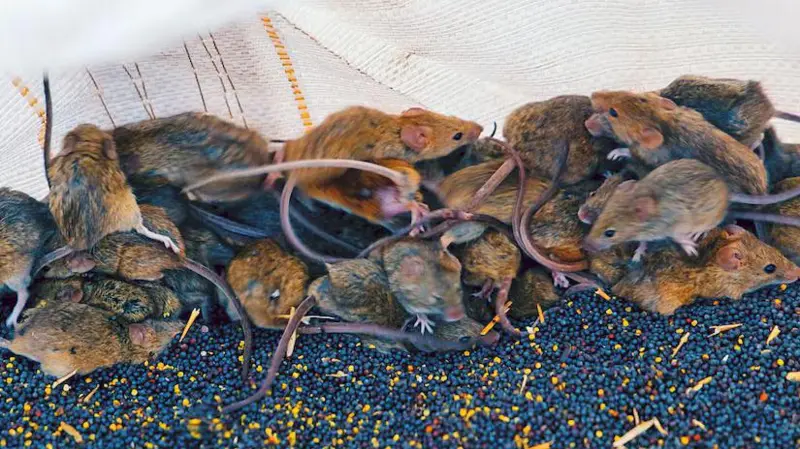
Emergency permit granted as experts warn mouse populations are reaching damaging levels across key grain-growing regions
SYDNEY, Australia — Australian authorities have approved the emergency use of a stronger rodent-control bait as farmers confront a growing mouse plague that is damaging crops, threatening rural livelihoods and increasing pressure on an agricultural sector already grappling with rising costs and challenging weather conditions.
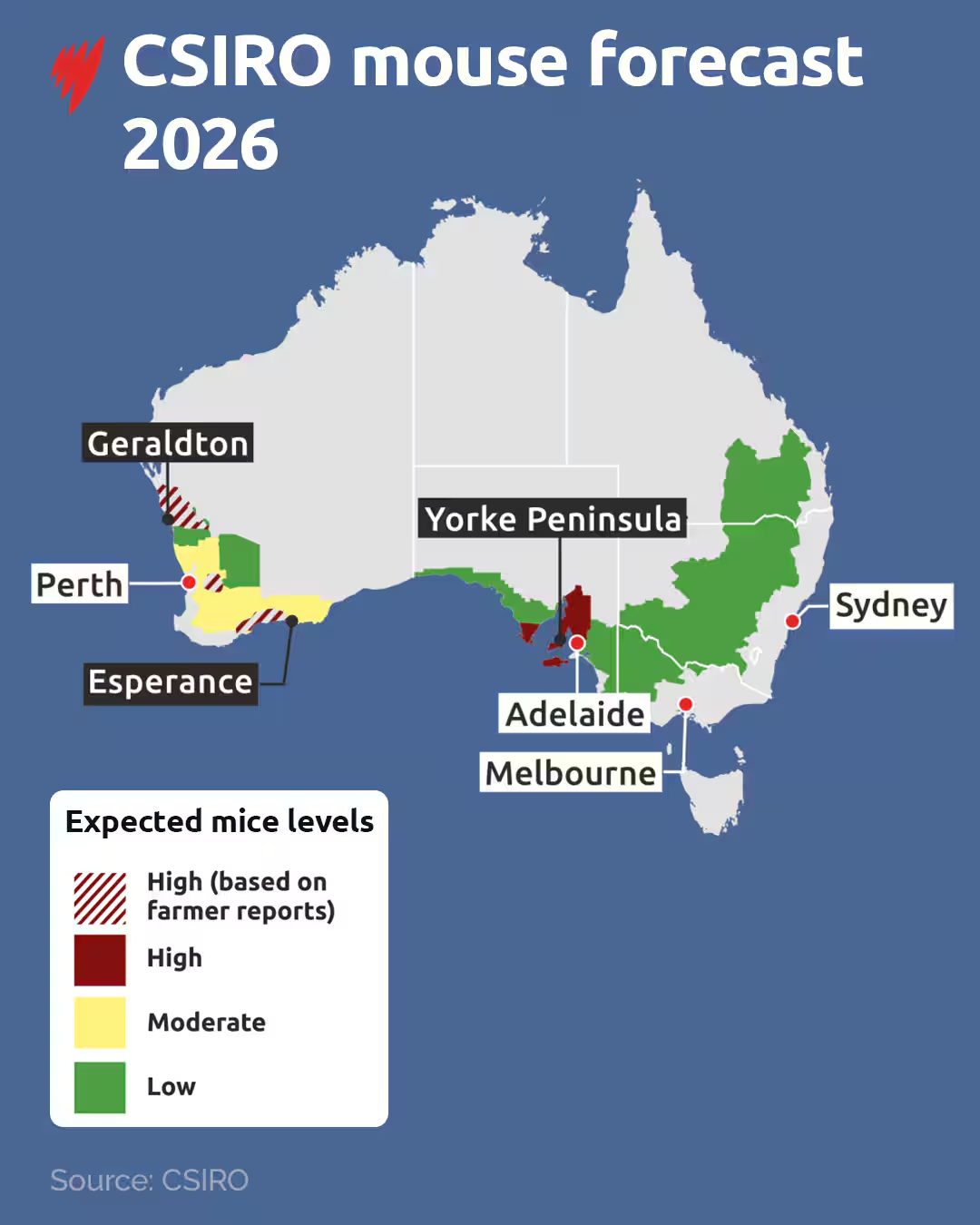
The Australian Pesticides and Veterinary Medicines Authority (APVMA) has granted an emergency permit allowing the use of zinc phosphide bait containing 50 grams per kilogram (ZP50), double the concentration previously available to farmers. The approval applies to areas experiencing high rodent populations, particularly parts of South Australia and Western Australia.
Grain Producers Australia (GPA), which applied for the emergency permit, welcomed the decision, saying farmers needed more effective tools to control rapidly increasing mouse numbers.
The move follows warnings from scientists and farming organisations that mouse populations have reached levels capable of causing significant economic losses, damaging crops before germination and creating health and psychological pressures for rural communities.
Mouse Numbers Reach Plague Levels
According to Australia’s national science agency, the Commonwealth Scientific and Industrial Research Organisation (CSIRO), mouse plagues are generally defined as populations exceeding 800 to 1,000 mice per hectare. Some affected regions are reporting far higher concentrations.
Researchers and farmers have reported densities of up to 3,000 to 4,000 mouse burrows per hectare in parts of Western Australia, with experts warning that the outbreak could rival the devastating mouse plagues that affected large areas of Australia in 2020 and 2021.
Steve Henry, a mouse expert and research officer at the CSIRO, told Australian media that conditions in some regions were “as bad as can be” and showed little sign of improving.
The CSIRO’s latest forecasts indicate that southern South Australia and south-western Western Australia remain the regions most severely affected.
Farmers Count the Cost
For many farmers, the infestation has arrived at a particularly difficult time.
Recent bumper harvests, combined with favourable breeding conditions, have provided abundant food sources for rodents, helping populations expand rapidly. Experts say mice thrive when grain is plentiful and rainfall creates favourable environmental conditions.
At the same time, producers are facing higher fuel, fertiliser and operating costs, increasing the financial impact of crop losses.
Farmers interviewed by Australian media described mice consuming newly planted seeds, damaging farm equipment and invading homes, sheds and businesses. In some communities, residents reported seeing mice in schools, shops and healthcare facilities.
Previous mouse outbreaks have inflicted substantial economic damage. Academic analysis cited by The Conversation estimated that the 2020-21 plague cost Australia’s agricultural sector approximately A$1 billion and created significant stress for affected communities.
Environmental Concerns Remain
While farming groups have welcomed access to the stronger bait, environmental and wildlife concerns remain under scrutiny.
The APVMA said the permit was issued following consultations with state authorities and scientific experts and that safety assessments had been undertaken before approval was granted. The regulator emphasised that emergency approval did not remove environmental safeguards or reduce scrutiny of potential impacts on wildlife and non-target species.
Researchers have previously warned that rodenticides can pose risks to birds and other wildlife if used improperly. However, supporters of the emergency measure argue that the scale of the outbreak requires urgent intervention to prevent widespread crop losses.
CSIRO researchers involved in monitoring the outbreak said there was currently limited evidence of significant impacts on non-target mammals within affected cropping systems but stressed the importance of adhering to safety guidelines.
Relief Sought Before Planting Season Peaks
Agricultural groups believe the stronger bait could provide critical relief as farmers continue planting and preparing crops for the coming season.
Mouse populations can reproduce rapidly, with female mice capable of producing multiple litters each year under favourable conditions. Experts warn that delays in controlling populations can quickly lead to exponential growth in numbers.
For now, farmers across affected regions are hoping the emergency measure, combined with cooler winter conditions, will help curb the outbreak before it develops into a crisis comparable to Australia’s most destructive mouse plagues in recent history.
Reporting by Edem Hodasi
Additional sourcing: SBS News, BBC News, ABC Australia, and CSIRO.
Related posts:
 Chiefs in Bono Region Warn Illegal Miners to Stay Off Stool Lands Amid Rising Galamsey Pressure
  Ghana Cocoa Farmers Warn of Harvest Risks as Payment Delays Deepen
  Elon Musk vs Sam Altman: what the jury will decide
  Hezbollah Rejects US-Backed Lebanon Ceasefire, Raising Doubts Over Wider Peace Efforts
  Iran-Israel Escalation Raises Fears of Wider Middle East Conflict as Iraq Faces Growing Pressure since April 2026