
Hezbollah Rejects US-Backed Lebanon Ceasefire, Raising Doubts Over Wider Peace Efforts

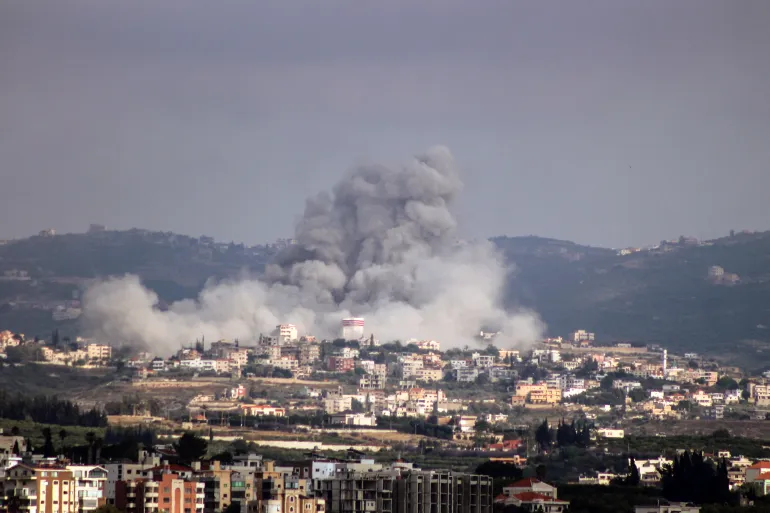

A proposed ceasefire between Israel and Lebanon has come under immediate strain after Hezbollah rejected the agreement, complicating diplomatic efforts linked to broader US-Iran negotiations and regional stability.
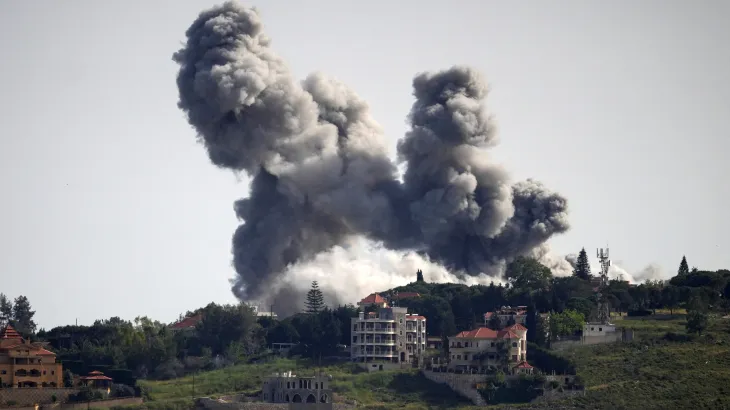
BEIRUT — Efforts to secure a ceasefire between Israel and Lebanon have been thrown into uncertainty after Hezbollah rejected a US-backed proposal intended to halt hostilities, while fresh military exchanges underscored the fragility of diplomatic efforts across the region.
The proposed agreement was viewed by diplomats as an important step towards reducing tensions along the Israel-Lebanon border and potentially supporting broader diplomatic contacts involving the United States and Iran.
However, Hezbollah leader Naim Qassem rejected the framework, arguing that the arrangement failed to address the group’s core concerns. The Iran-backed movement was not a direct party to the negotiations between Israel and the Lebanese government and said it did not consider itself bound by the proposed terms. The rejection represents a setback for diplomatic efforts aimed at preventing a wider regional escalation at a time when tensions involving Israel, Iran and the United States remain elevated. Analysts have viewed developments in Lebanon as closely linked to broader discussions over regional security and stability. Within hours of the proposed ceasefire announcement, Israeli forces and Hezbollah fighters exchanged fire, highlighting the challenge of translating diplomatic agreements into realities on the ground.
Why Hezbollah Rejected the Deal
According to reports, Hezbollah’s leadership argued that the ceasefire framework failed to satisfy key objectives related to the conflict and did not provide sufficient guarantees regarding Israeli military actions in southern Lebanon. The group’s position reflects longstanding disagreements over security arrangements, military deployments and the future status of contested border areas. For Hezbollah, any ceasefire agreement is closely tied to broader strategic considerations involving Lebanon’s security, regional alliances and its relationship with Iran.
Lebanon Caught Between Diplomacy and Conflict
The latest setback illustrates Lebanon’s continuing struggle to emerge from a prolonged period of instability. Months of military exchanges have affected communities in southern Lebanon, forcing many residents from their homes and placing additional pressure on an economy already facing severe challenges.
While Lebanese authorities have supported efforts to reduce violence, securing a durable agreement remains difficult without the participation of all major actors involved in the conflict. The ceasefire proposal was intended to create conditions for greater stability in southern Lebanon and reduce the risk of a broader confrontation that could draw additional regional powers into the conflict.
US-Iran Dimension
The developments come amid wider diplomatic activity involving Washington and Tehran. Although negotiations over Lebanon are separate from broader discussions between the United States and Iran, diplomats have increasingly viewed progress on one front as potentially influencing the atmosphere for negotiations elsewhere.
That connection has elevated the significance of events in Lebanon beyond the country’s borders. For Washington, a successful ceasefire would have demonstrated that diplomacy can help reduce tensions in one of the Middle East’s most volatile flashpoints. For Iran, developments involving Hezbollah carry strategic importance because of the group’s role within Tehran’s regional network of allies.
What Happens Next?
Despite the setback, diplomatic efforts are expected to continue. US officials have signalled that negotiations remain ongoing, while regional and international actors continue to seek mechanisms for reducing violence and preventing further escalation.
However, the latest exchanges of fire demonstrate how fragile any future agreement may be unless all parties commit to its implementation. For now, hopes of an immediate breakthrough remain uncertain.
The ceasefire proposal may still provide a foundation for future talks, but Hezbollah’s rejection and continuing military activity have reinforced the reality that lasting peace in Lebanon remains closely tied to wider regional rivalries involving Israel, Iran and the United States.
Why This Matters
For Lebanon, the outcome will affect security, reconstruction efforts and the ability of displaced communities to return home. For Israel, it will shape security calculations along its northern border. For the United States and Iran, it represents another test of whether diplomacy can ease tensions in a region where local conflicts increasingly carry international consequences.
Related posts:
 Israel and Lebanon Agree Ceasefire if Hezbollah Ends Attacks
  US-Iran Exchange Fire as Trump Seeks Changes to Proposed Deal
  King Charles Stresses NATO Alliance in ‘Contested World’ at White House State Dinner with Trump
  Iran delays response to US proposal as nuclear programme and Strait of Hormuz emerge as key obstacles
  US pauses $14bn arms sale to Taiwan amid Iran conflict, navy chief says