
Nigeria Warns Against Reprisal Attacks Amid South Africa Anti-Migrant Tensions

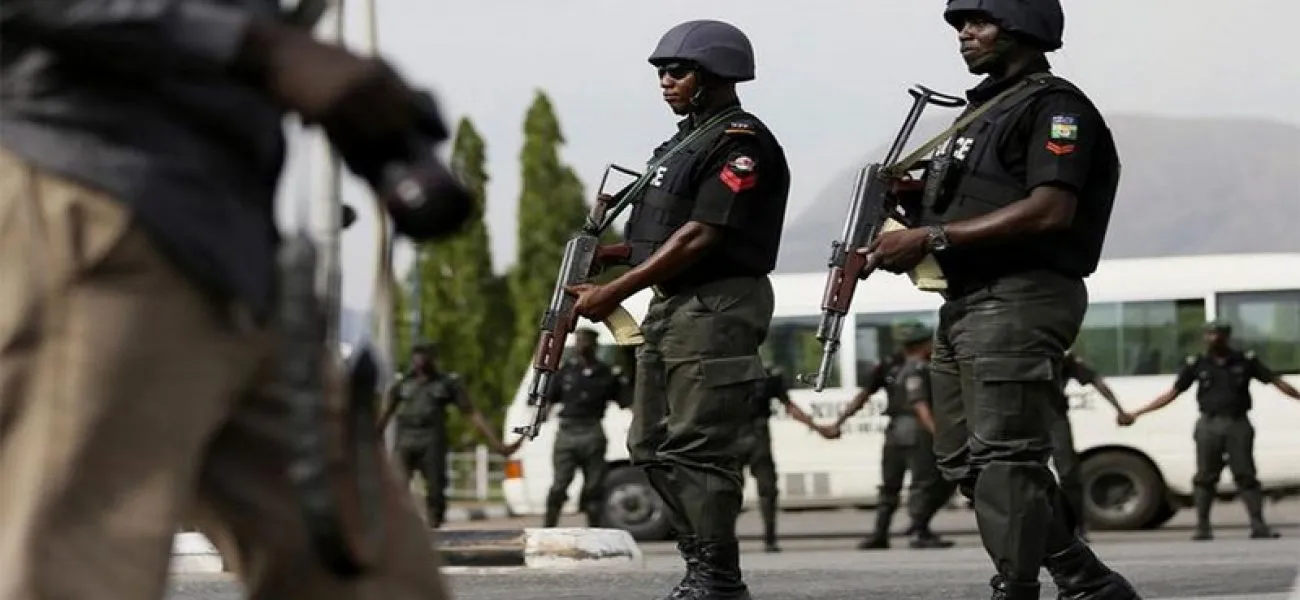

Nigerian authorities have warned citizens against targeting South Africans or South African-owned businesses following rising tensions linked to anti-migrant protests in South Africa, as security agencies move to prevent a repeat of previous outbreaks of retaliatory violence across Africa.
ABUJA, Nigeria — Nigeria’s police and security agencies have warned citizens against carrying out reprisal attacks on South African nationals, businesses or diplomatic interests following growing concerns over anti-migrant protests in South Africa.
The warning comes amid heightened tensions sparked by demonstrations in South Africa calling for tougher action against undocumented migrants, prompting fears that hostility towards foreign nationals could trigger diplomatic fallout across the continent.
In separate statements reported by Nigerian and international media, authorities stressed that any attempt to target South Africans or South African-linked interests in Nigeria would be treated as a criminal offence and prosecuted under the law.
The Nigeria Police Force said it had reviewed the situation alongside security and intelligence agencies and had strengthened surveillance around foreign diplomatic missions, critical infrastructure and other sensitive locations across the country.
“While concerns about attacks on Nigerians in South Africa are understandable, the public is strongly advised not to take the law into their own hands,” police spokesperson Anthony Placid said in a statement cited by Nigerian media. Authorities also urged citizens to avoid spreading unverified information online, warning that inflammatory content could escalate tensions and undermine diplomatic efforts to address the situation.
Security Measures Intensified
The police said additional deployments had been made to protect foreign missions, strategic infrastructure and commercial centres amid concerns that isolated incidents could spark wider unrest.
Officials emphasised that all individuals legally residing in Nigeria are entitled to protection regardless of nationality and reiterated that the country’s security agencies remain committed to maintaining public order. The warnings follow discussions among security and intelligence officials aimed at assessing risks associated with the deteriorating atmosphere surrounding migration debates in South Africa.
Protests Raise Regional Concerns
Tensions have been rising in South Africa in recent weeks following demonstrations organised by a group known as March and March, which has called for stricter immigration enforcement and urged undocumented migrants to leave the country. Protest organisers argue that undocumented migration places pressure on public services and contributes to crime, claims that have fuelled heated political debate inside South Africa. However, South African authorities have not confirmed widespread attacks on foreign nationals linked to the latest protests. The South African government has condemned criminal acts directed at foreign nationals while urging calm and adherence to the rule of law.
Ghana Among Countries Monitoring Situation
The developments have attracted attention across the continent.
Several African governments have advised citizens living in South Africa to remain vigilant, citing safety concerns and uncertainty surrounding the protests. BBC Africa reported that Ghana recently evacuated hundreds of its citizens from South Africa amid growing anxiety over the situation.
The issue carries particular sensitivity because previous episodes of xenophobic violence in South Africa triggered diplomatic tensions and retaliatory attacks elsewhere in Africa, including incidents targeting South African-owned businesses in Nigeria.
Analysts say both Abuja and Pretoria are keen to avoid a repeat of those events, given the importance of economic and diplomatic ties between Africa’s two largest economies.
Diplomatic Test for Africa’s Largest Economies
The latest tensions underscore the delicate balance facing governments across the continent as they seek to address domestic concerns over migration while maintaining regional cooperation and protecting foreign nationals.
Nigeria and South Africa are among Africa’s most influential economies and play central roles in continental institutions, trade and investment. Any escalation could have implications beyond bilateral relations, affecting businesses, diaspora communities and regional stability.
For now, authorities in both countries appear focused on preventing isolated incidents from developing into a broader diplomatic crisis.
As security agencies increase vigilance and governments urge restraint, attention is turning to whether political and diplomatic engagement can ease tensions before they spill over into violence.
Related posts:
 Ghana Repatriates Nearly 300 Citizens From South Africa Amid Migrant Tensions
  Mali Defence Minister Sadio Camara Killed in Coordinated Attacks Across Country
  South Africa Police Inquiry Hears Corruption, Drug Raid and Crime Syndicate Allegations
  Nigeria Arrests Former Power Minister After 75-Year Corruption Sentence
  Ghana Welcomes First Evacuees From South Africa Amid Xenophobia Fears