
Iran Fires Missiles at Kuwait and Bahrain as Gulf Conflict Threatens Global Energy Routes

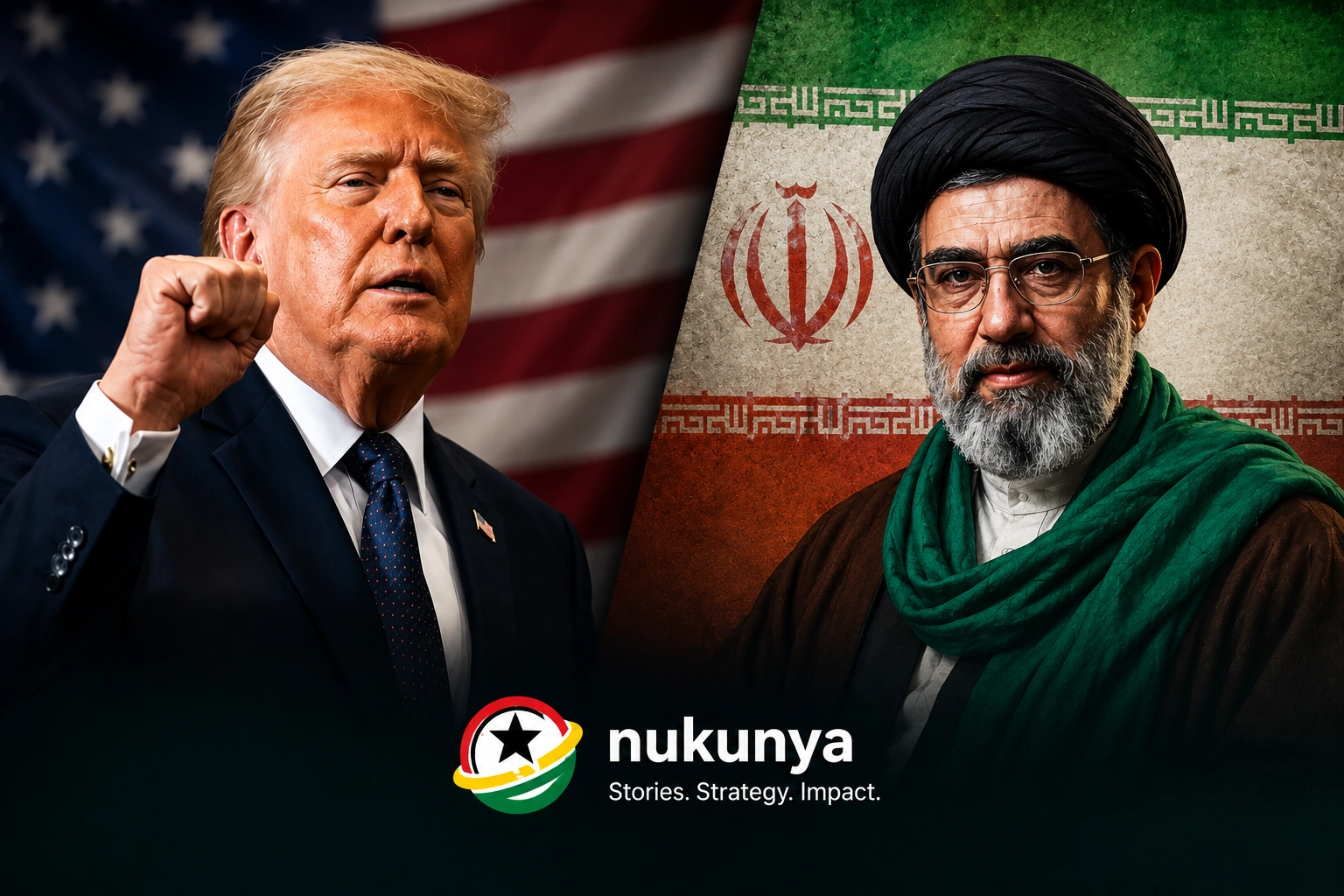

Iran launched missiles and drones towards Kuwait and Bahrain after US strikes on Iranian military facilities, escalating tensions in the Gulf and raising fresh concerns over global energy supplies and maritime trade through the Strait of Hormuz.
DOHA/KUWAIT CITY — Iran launched missiles and drones towards Kuwait and Bahrain on Saturday after the United States said it had carried out strikes on Iranian coastal radar facilities, widening a confrontation that is increasingly drawing Gulf states into one of the region’s most serious security crises in years.
The attacks triggered air defence responses in both countries, disrupted aviation operations and intensified concerns about the security of the Strait of Hormuz, one of the world’s most important maritime trade corridors and a critical route for global oil and gas exports. US Central Command said American forces intercepted several Iranian missiles and drones directed towards Gulf allies and the Strait of Hormuz. The US military also reported striking Iranian surveillance and radar installations along Iran’s southern coastline.
Iranian officials described their actions as a response to recent American military operations and accused Washington of escalating the conflict. Kuwait said its air defence systems successfully intercepted incoming threats and later reported that debris from missiles and drones caused fires in parts of the country. Emergency services responded to the incidents, while authorities said there were no immediate reports of significant casualties.
Bahrain said it had intercepted missiles and drones launched towards its territory and condemned the attacks as a violation of its sovereignty. Authorities urged residents to follow official safety instructions while maintaining heightened security measures. The latest developments represent a significant expansion of a conflict that has increasingly spread beyond direct exchanges between Iran, Israel and the United States.
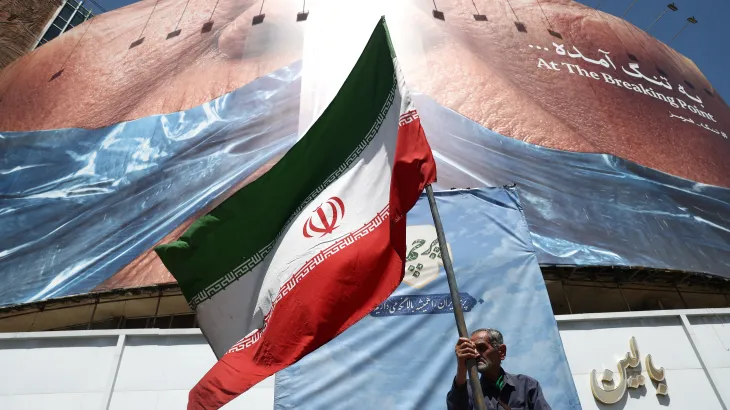
WHY THE STRAIT OF HORMUZ MATTERS
The Strait of Hormuz links the Persian Gulf with the Gulf of Oman and the Arabian Sea. According to international energy agencies, roughly one-fifth of global oil consumption passes through the narrow waterway.
Any prolonged disruption to shipping in the strait has the potential to affect fuel prices, supply chains and inflation far beyond the Middle East. For African economies that rely heavily on imported fuel, including Ghana, higher shipping costs and energy prices could eventually feed into transport costs and consumer inflation. The latest exchange has renewed concerns among energy traders and policymakers that instability around the strait could disrupt one of the world’s most strategically important trade routes.
AIRSPACE AND SHIPPING DISRUPTIONS
Kuwait temporarily suspended air traffic operations during the height of the security alert before reopening its airspace after authorities said the immediate threat had passed. Several commercial flights were diverted to neighbouring countries as Gulf governments assessed the security situation. Regional aviation hubs play a central role in international travel between Africa, Europe and Asia, meaning any sustained disruption could have wider implications for global transport networks.
DIPLOMATIC EFFORTS UNDER PRESSURE
The military escalation comes despite ongoing diplomatic efforts to prevent a broader regional conflict. Negotiations involving sanctions relief, maritime security, frozen Iranian assets and future relations between Tehran and Washington remain unresolved.
Saudi Arabia condemned the attacks on Kuwait and Bahrain, describing them as a threat to regional stability. Jordan also criticised the strikes, warning that further escalation could undermine efforts to restore security across the Middle East. The growing involvement of Gulf states has increased fears that the conflict could evolve into a wider regional confrontation if diplomatic channels fail to contain the crisis.
GLOBAL CONSEQUENCES
The immediate military impact of Saturday’s attacks remains limited compared with the broader strategic risks facing the region. What concerns governments, businesses and financial markets is the possibility of sustained instability around Gulf shipping lanes, energy infrastructure and aviation routes. The Gulf remains one of the world’s most important centres for energy exports and international trade. Any escalation affecting these routes would have consequences extending well beyond the Middle East. With Kuwait and Bahrain now directly affected, the crisis has moved beyond a dispute involving Iran, Israel and the United States. It is increasingly becoming a regional security challenge with potentially global economic repercussions.
Related posts:
 US-Iran Exchange Fire as Trump Seeks Changes to Proposed Deal
  Israel and Lebanon Agree Ceasefire if Hezbollah Ends Attacks
  Hezbollah Rejects US-Backed Lebanon Ceasefire, Raising Doubts Over Wider Peace Efforts
  Iran reviews US peace proposal as Trump signals swift end to the war. | Breaking
  King Charles Stresses NATO Alliance in ‘Contested World’ at White House State Dinner with Trump