The Senegal Model: How Africa’s Most Consistent Football Nation Became a World Cup Contender

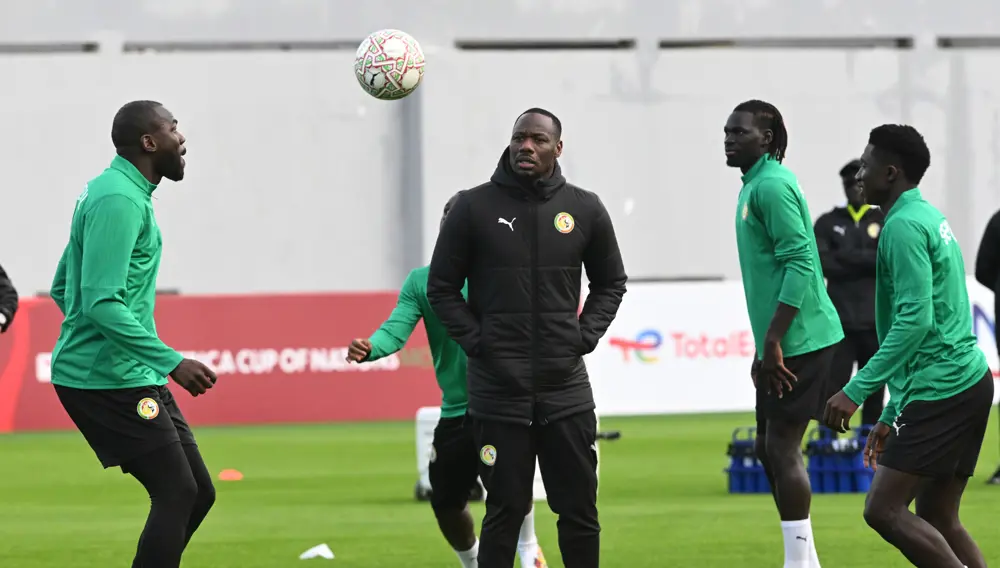

Senegal enters the 2026 FIFA World Cup as one of Africa’s strongest teams. Their rise offers lessons in talent development, diaspora recruitment and long-term planning, but it also exposes difficult questions about who truly benefits from African football success.
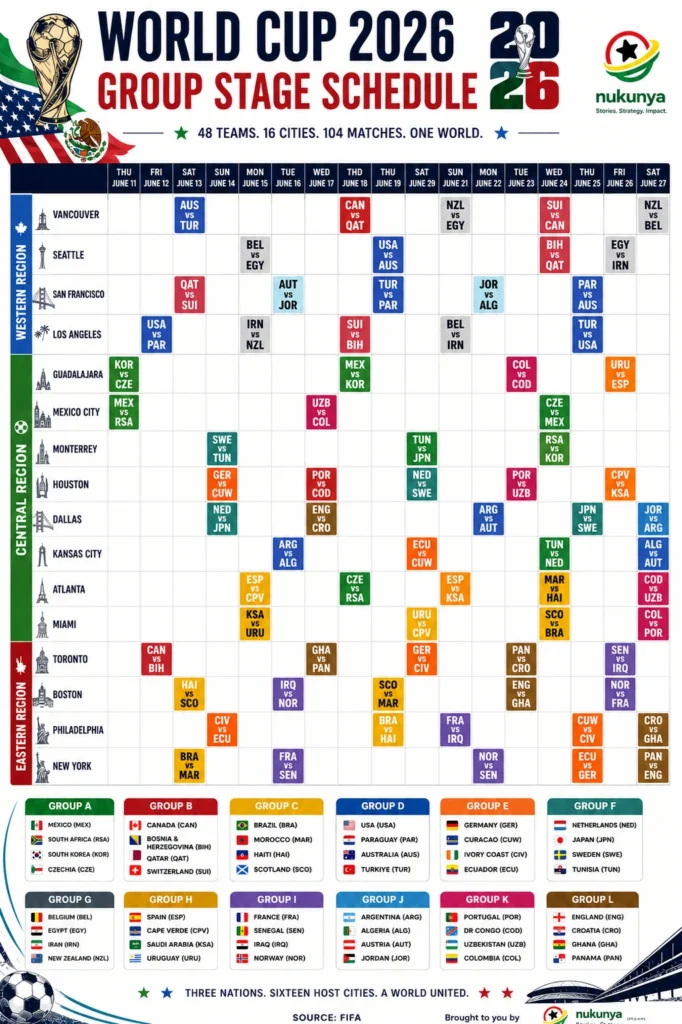
When the draw for the 2026 FIFA World Cup was made, few African teams attracted as much attention as Senegal. The Lions of Teranga enter the tournament with a reputation that has been built steadily over two decades rather than through a single breakthrough moment. They are African champions, regular contenders at major tournaments and one of the continent’s most respected football programmes. Senegal have qualified for four World Cups and remain one of only three African nations to have reached the quarter-finals of the competition.
For many observers, Senegal represents Africa’s strongest opportunity to make a deep run at the expanded 48-team tournament in the United States, Canada and Mexico. Yet Senegal’s success story is about more than football results. It is also a story about long-term planning, academy investment, diaspora engagement and the growing debate over who ultimately benefits from Africa’s football talent.
Building a System Rather Than a Team
One of the most striking aspects of Senegal’s rise is its consistency.
Unlike many African football nations that experience cycles of success and decline, Senegal have maintained a competitive national team for more than a decade. The country won the Africa Cup of Nations in 2022, reached the Round of 16 at the Qatar World Cup and qualified comfortably for the 2026 tournament. FIFA and Confederation of African Football assessments continue to rank Senegal among Africa’s strongest teams.
Much of that success stems from continuity. Head coach Pape Thiaw inherited a strong foundation built under former coach Aliou Cissé, maintaining a football philosophy that prioritises organisation, athleticism and player development rather than frequent rebuilding. The result has been a national team that consistently produces elite-level performances rather than occasional surprises.
The Academy Revolution
At the heart of Senegal’s football model is a network of academies that have transformed talent identification and development. Institutions such as Generation Foot, Diambars, Dakar Sacré-Cœur and Casa Sports have become recognised pathways to professional football. These academies combine education, coaching, accommodation and sports science, creating structured environments that prepare players for elite competition.
Many of Senegal’s most recognisable footballers emerged from this system.
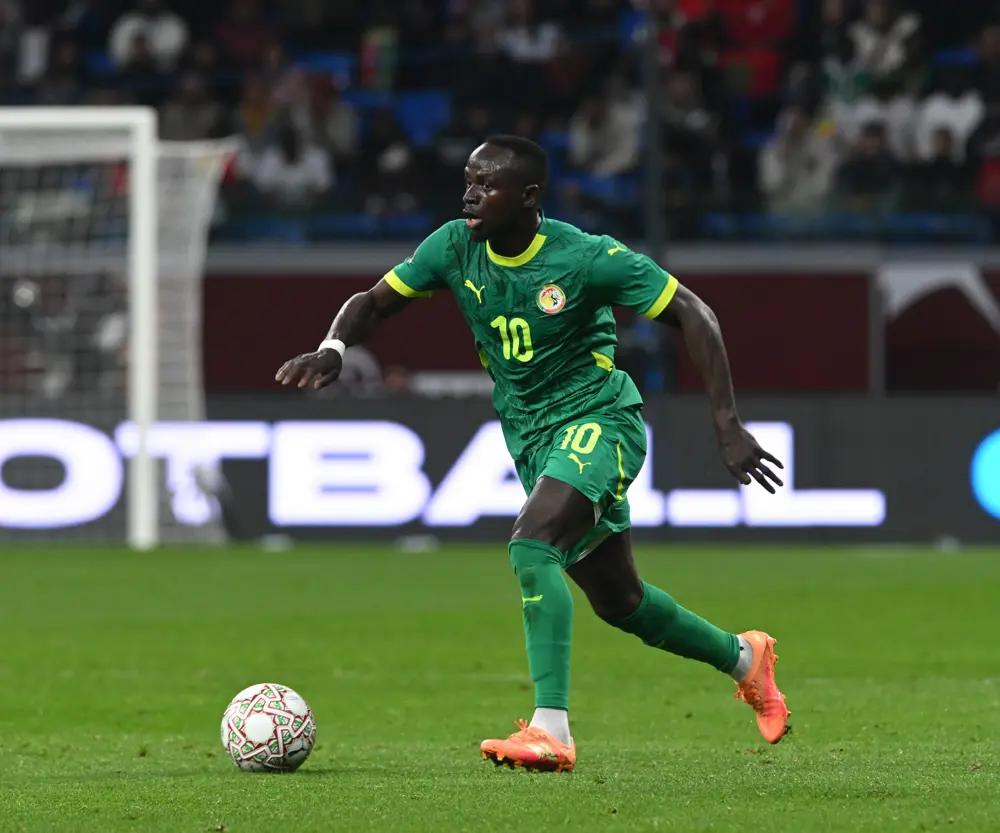
Among them are Sadio Mané, Ismaïla Sarr and Pape Matar Sarr, all of whom developed through academy structures before moving to Europe. The significance extends beyond individual stars.
Academies have created a production pipeline that continues to supply talent to the national team year after year. In a country of approximately 20 million people, Senegal produces elite footballers at a rate that rivals much larger African nations.
The Diaspora Advantage
Senegal’s rise has not been built solely on domestic development.
The country has also pursued one of Africa’s most effective diaspora recruitment strategies. Many Senegalese players are born and raised in France, Belgium and other European countries. Rather than waiting until players become established internationals elsewhere, Senegal has increasingly engaged prospects early, emphasising cultural identity, family connections and sporting opportunity.
Recent recruits include highly rated young players who were eligible to represent European nations but chose Senegal instead. This approach allows the country to combine locally developed talent with players who have benefited from elite European football academies. The result is a squad that blends experience and youth, domestic roots and international exposure. For many football analysts, this strategy has become a competitive advantage rather than a supplementary policy.
The Economic Question Behind the Success
Yet Senegal’s football success raises a more complicated question. Who benefits most from African football talent?
Investigations into player development pathways have highlighted significant disparities between the value generated by African footballers and the financial returns retained within African football systems. Academies often invest years in identifying and developing young players.
However, the largest transfer fees are usually realised after those players move to European clubs. By the time stars reach elite competitions, much of the economic value has shifted outside Africa. The issue extends beyond transfer fees.
Some academies and clubs have struggled to secure FIFA solidarity payments and training compensation designed to reward organisations that develop young players. Administrative weaknesses and governance challenges have occasionally limited the benefits reaching grassroots football.
This creates a paradox. African countries can produce world-class footballers, win continental trophies and compete on the global stage, yet still struggle to build financially sustainable domestic football ecosystems.
Lessons for Ghana
For Ghana, Senegal’s experience offers several important lessons. The first is the importance of long-term planning. Successful football nations are rarely built around individual generations of players. They are built around systems capable of producing talent continuously.
The second lesson concerns academy development. Ghana has historically produced exceptional footballers, from Abedi Pele to Michael Essien and newer generations of talent. However, stronger integration between academies, clubs and national development structures could help create greater consistency.
The third lesson involves diaspora engagement. Ghana has successfully recruited dual-nationality players in recent years, but Senegal’s model demonstrates how early engagement, cultural connection and strategic planning can strengthen recruitment efforts.
Finally, Senegal highlights the importance of ensuring that football success translates into broader institutional development.
Producing players alone is not enough. The challenge is creating systems that retain greater economic value within African football.
What African Football Can Learn Before 2026
The 2026 FIFA World Cup will feature a record number of African teams.
That expansion presents an opportunity for the continent to demonstrate not only footballing progress but also organisational maturity.
Senegal’s experience suggests that sustainable success requires several interconnected elements:
- Long-term strategic planning.
- Investment in youth development.
- Effective diaspora engagement.
- Administrative competence.
- Financial structures that reward local development.
No single factor explains Senegal’s rise.
Rather, it is the combination of these elements that has transformed the country into one of Africa’s most respected football nations. Whether Senegal can convert that progress into a historic World Cup campaign remains uncertain.
What is clearer is that their model offers valuable lessons for Ghana and for African football as a whole. The real challenge is not simply producing the next generation of stars. It is ensuring that African football systems become as strong as the players they produce.
Related posts:
 Tottenham’s Mohammed Kudus ruled out of 2026 World Cup with injury
  Ghana Coach Queiroz Stands By Partey’s Inclusion Ahead of World Cup
  Asamoah Gyan: Antoine Semenyo Is the Face of Ghana Football Now
  DR Congo World Cup Preparations Disrupted by Ebola Fears
  Asamoah Gyan appointed Ghana football ambassador ahead of 2026 World Cup push