
Nearly 1,000 Ghanaians Repatriated as South Africa Evacuation Operation Concludes

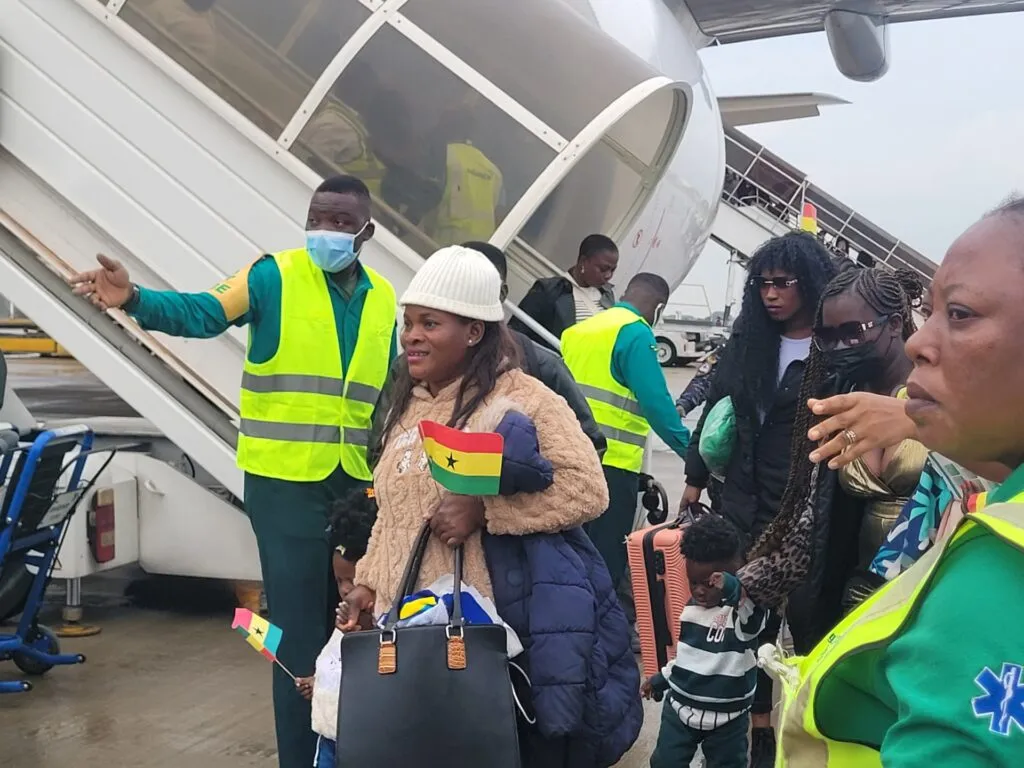

Ghana has completed a large-scale evacuation programme for citizens affected by recent xenophobia-related incidents in South Africa, with nearly 1,000 people repatriated as government officials shift focus to reintegration, employment and social support.
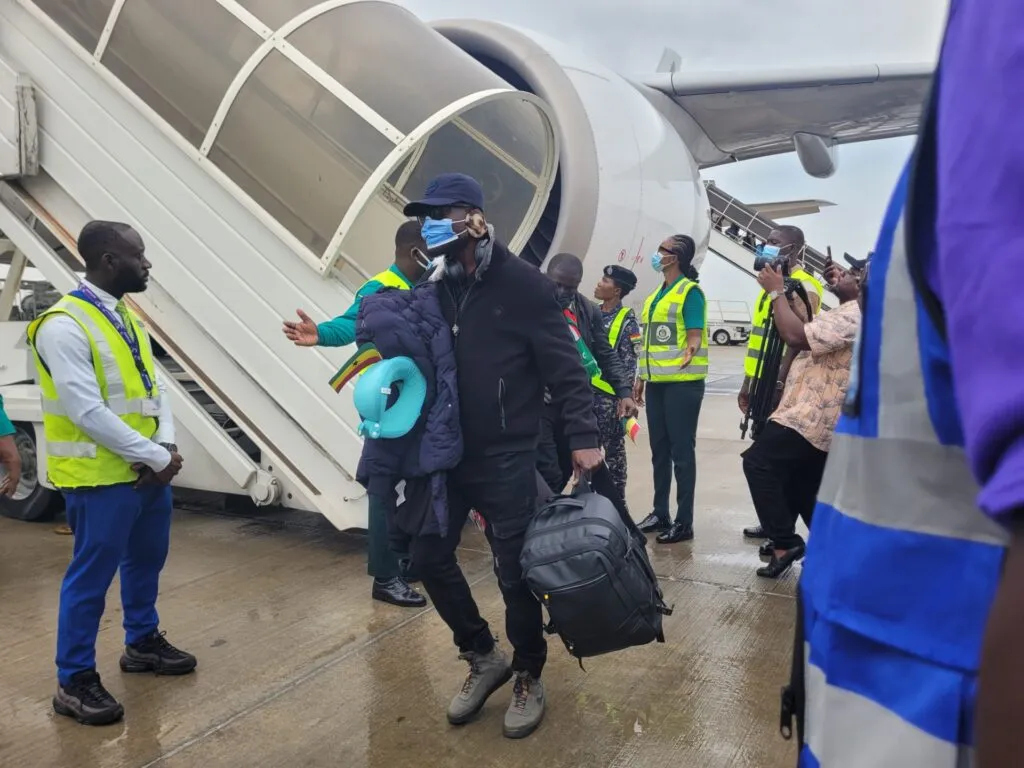
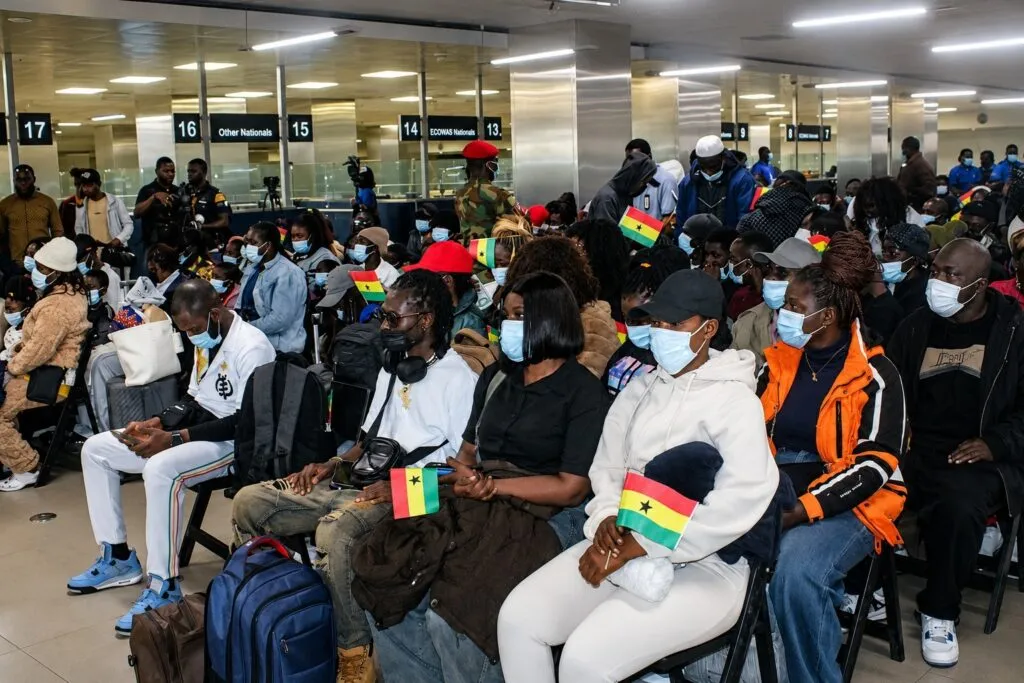
ACCRA, Ghana — Ghana’s government has completed its emergency evacuation operation for citizens affected by recent xenophobia-related incidents in South Africa, with nearly 1,000 Ghanaians now repatriated and authorities turning their attention to reintegration and long-term support measures.
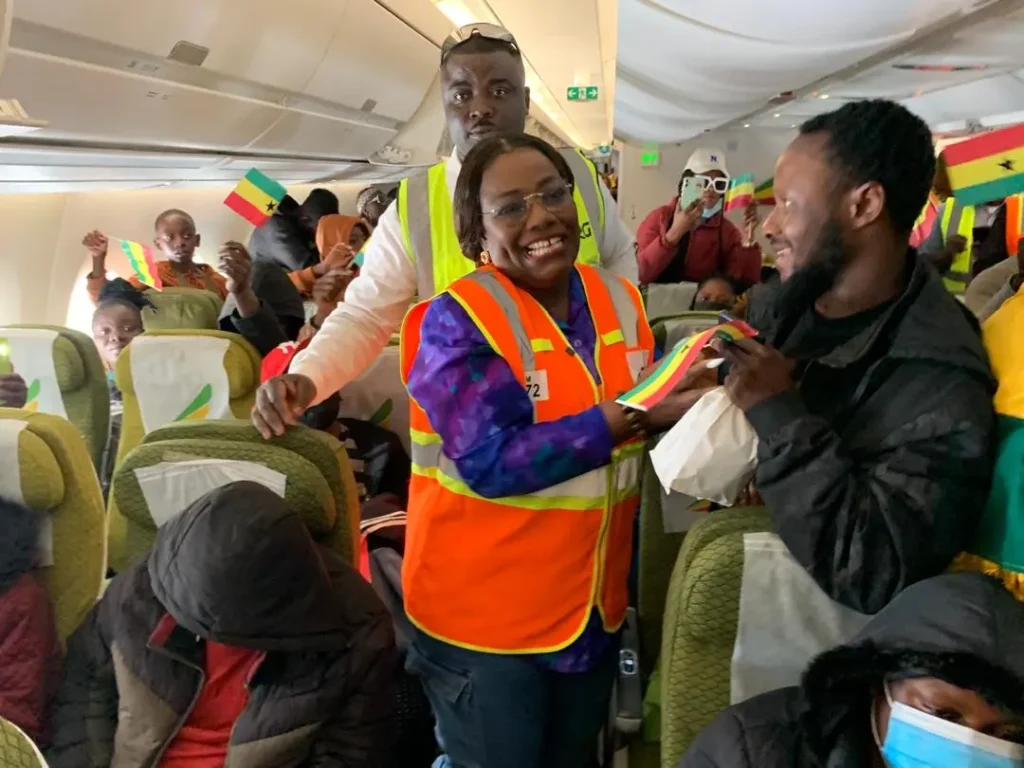
The final group of 342 evacuees arrived in Accra over the weekend, bringing the total number of Ghanaians evacuated from South Africa to almost 1,000 under one of the country’s largest recent repatriation exercises.
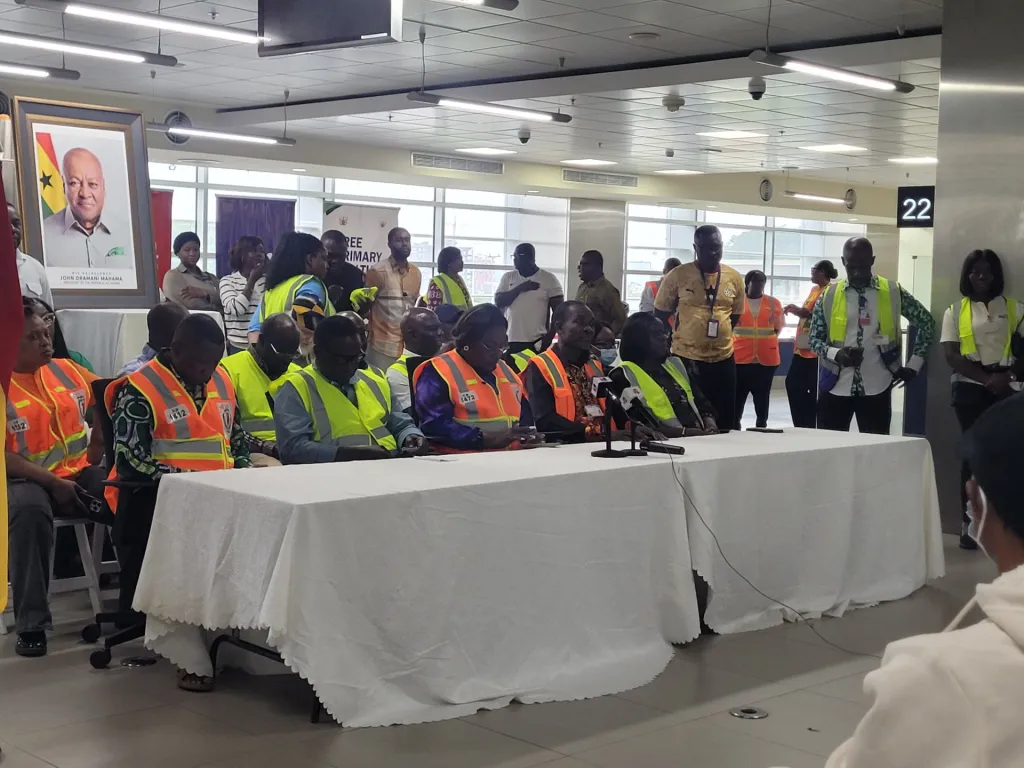
Government officials welcomed the returnees at Kotoka International Airport, where Deputy Foreign Affairs Minister James Gyakye Quayson urged them to focus on healing and rebuilding their lives after the traumatic events that led to their departure from South Africa.
“Everything happens for a reason in life. It’s about how you process it,” Mr Quayson said, encouraging the returnees to approach their future with resilience and optimism. He also called for forgiveness and reconciliation, expressing confidence that relations between Ghana and South Africa would remain strong despite recent tensions.
Focus Shifts from Evacuation to Reintegration
With the evacuation programme now concluded, government officials say the next phase will focus on helping returnees settle back into life in Ghana.
Mr Quayson told the returnees that their return should not be viewed as a setback but as an opportunity to contribute to Ghana’s development and take advantage of emerging economic opportunities. He argued that Ghana’s economy has changed significantly in recent years and offered new prospects for entrepreneurship, employment and investment.
He also stressed that the recent violence should not overshadow the longstanding relationship between Ghana and South Africa, noting that many Ghanaians had lived and worked peacefully in South Africa for years before the latest incidents.
Referring to the historical ties between the two countries, Mr Quayson highlighted South Africa’s role in Africa’s liberation struggles and urged returnees not to allow recent experiences to define their future.
Deputy Chief of Staff for Finance and Administration Nana Oye Bampoe Addo assured returnees that comprehensive support programmes had been prepared to facilitate their reintegration into Ghanaian society. According to government officials, returnees interested in acquiring employable skills will be enrolled under the National Apprenticeship Programme through the National Youth Authority. Authorities also pledged assistance with access to healthcare services and national identification registration.
Mrs Bampoe Addo said all returnees would be registered under the National Health Insurance Scheme free of charge, while support would also be provided for those requiring Ghana Cards and other essential documentation.
“We are here to provide you with the necessary support to ensure that your transition and settling into your natural home, Ghana, is smooth sailing,” she told the returnees.
Returnees Express Gratitude
Speaking on behalf of the evacuees, Yakubu Moro thanked the government, diplomatic officials and Ghanaian authorities for facilitating their safe return.
Mr Moro said many returnees hoped to apply the skills and experience they acquired abroad to contribute to national development. He also praised the efforts of Ghana’s High Commission in South Africa and the wider evacuation team. The evacuation operation was launched following reports of xenophobic attacks and anti-immigrant violence targeting foreign nationals in parts of South Africa. Hundreds of Ghanaians subsequently registered for assistance through Ghanaian diplomatic missions and government agencies.
A New Chapter Begins
The completion of the repatriation programme marks the end of an emergency response phase and the beginning of a broader reintegration effort. Officials say employment support, healthcare access, skills development and social protection programmes will form the foundation of government assistance in the coming months. For many returnees, the journey home represents not only an escape from insecurity but also the start of rebuilding lives and livelihoods in Ghana.
Related posts:
 Ghana Offers Jobs and Compensation as South Africa Evacuation Reaches 637 Citizens
  Ghana Evacuates 345 More Citizens from South Africa as Other African States Study Rescue Plan
  Ghana moves nearly 900 citizens to safe havens ahead of South Africa protests
  Ghana Repatriates Nearly 300 Citizens From South Africa Amid Migrant Tensions Ghana to Begin Final Evacuation of Nearly 900 Citizens from South Africa on July 25