
Iran and Israel Halt Attacks After Trump Intervention, but Ceasefire Remains Fragile
Iran and Israel have signalled a halt to major military operations after days of escalating attacks. While diplomatic efforts have helped secure a temporary ceasefire, concerns remain that tensions could quickly flare up again.

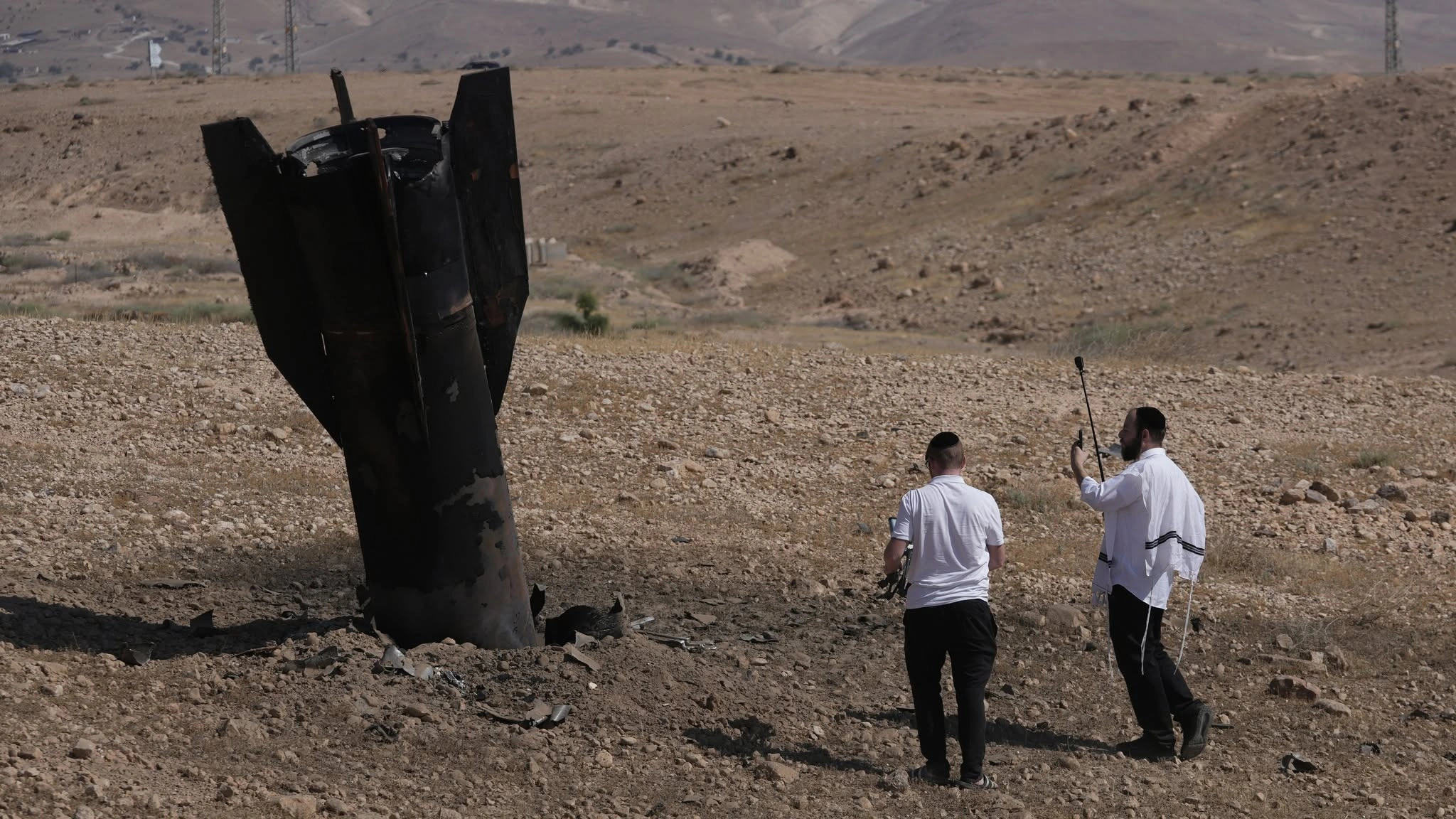

Iran and Israel have both signalled a halt to major military operations following days of escalating exchanges that raised fears of a wider Middle East conflict. However, threats of retaliation, unresolved tensions and competing claims from both sides suggest the ceasefire remains highly fragile.
JERUSALEM/TEHRAN — Iran and Israel have announced a pause in major military operations after several days of escalating attacks that prompted international concern about the risk of a broader regional war. The latest confrontation involved missile attacks, retaliatory strikes and growing diplomatic efforts aimed at preventing further escalation across the Middle East. While both governments have declared a halt to major operations, officials in Tehran and Jerusalem have warned that any future attack could trigger renewed military action. Many battlefield claims made by both sides remain difficult to independently verify because of the fast-moving nature of the conflict.
Ceasefire Emerges After Days of Escalation
Israeli Prime Minister Benjamin Netanyahu said Israel had achieved its immediate objectives and was suspending operations against Iran for the time being. However, he warned that any future threat would be met with a strong response. Iranian officials likewise indicated that military operations had been halted but stressed that Tehran remained prepared to retaliate if Israeli attacks resumed. The pause follows one of the most serious periods of direct confrontation between the two countries in recent years, heightening fears that the conflict could spread beyond Israel and Iran to involve other actors across the region.
Trump and US Diplomacy
US President Donald Trump publicly urged both sides to halt hostilities and suggested diplomatic efforts were underway to secure a broader agreement. Several international media organisations reported that Trump personally engaged with Israeli leadership in an effort to prevent further escalation following Iranian missile attacks and retaliatory operations. The White House has presented the ceasefire as an opportunity to reduce tensions and create space for wider diplomatic discussions. However, neither side has announced a comprehensive political agreement, leaving uncertainty over how long the pause in fighting can be sustained.
Human and Regional Impact
The recent exchanges have caused damage across multiple locations in the region and heightened concerns among civilians, aid organisations and regional governments. Images emerging from affected areas show missile debris, damaged infrastructure and communities coping with the aftermath of the attacks.
Humanitarian organisations have warned that any renewed escalation could increase civilian casualties, displace populations and place additional pressure on already strained emergency services. Regional governments have also expressed concern that continued hostilities could destabilise neighbouring countries and undermine ongoing diplomatic initiatives.
Israel’s Position
Israeli officials maintain that military operations were aimed at protecting national security and deterring future attacks. The Israeli government argues that it retains the right to respond to any threat originating from Iran or groups aligned with Tehran. Officials have emphasised that the pause in military activity should not be interpreted as a permanent settlement and have warned that further attacks would prompt a renewed response.
Iran’s Position
Iranian authorities have presented the ceasefire as evidence that deterrence has been restored. Tehran insists that its military actions were defensive responses to Israeli operations and has warned that any future strike against Iranian interests would trigger further retaliation. At the same time, Iranian officials have signalled support for continued diplomatic engagement if regional tensions can be reduced.
Why the Ceasefire Remains Fragile
Despite the apparent pause, analysts caution that the situation remains volatile. Unlike a formal peace agreement, the current arrangement appears to be based largely on deterrence, military calculations and diplomatic pressure rather than a negotiated political settlement. The presence of regional actors, including armed groups aligned with either side, creates additional risks that a localised incident could quickly reignite hostilities. Even a single miscalculation, missile launch or border incident could undermine the ceasefire and trigger another round of military exchanges.
Why This Matters
The latest confrontation represents one of the most significant direct periods of tension between Iran and Israel in recent years. Beyond the immediate security concerns, the conflict has implications for regional stability, international diplomacy, energy markets and global trade routes. Governments, investors and international organisations are closely monitoring developments because any renewed escalation could affect shipping routes, energy supplies and security across the wider Middle East. For now, the ceasefire offers a temporary pause in hostilities. Whether it evolves into a lasting diplomatic breakthrough or proves to be only a short-lived respite remains uncertain.
Related posts:
 Hezbollah Rejects US-Backed Lebanon Ceasefire, Raising Doubts Over Wider Peace Efforts
  King Charles Stresses NATO Alliance in ‘Contested World’ at White House State Dinner with Trump
  Israel and Lebanon Agree Ceasefire if Hezbollah Ends Attacks
  Three Lebanese Army Personnel, Including General, Killed in Israeli Strike Amid Fragile Ceasefire
  Iran Fires Missiles at Kuwait and Bahrain as Gulf Conflict Threatens Global Energy Routes