
Trump Iran Peace Deal Leak Sparks Fury as President Rejects Reported Terms in High-Stakes Nuclear Negotiations

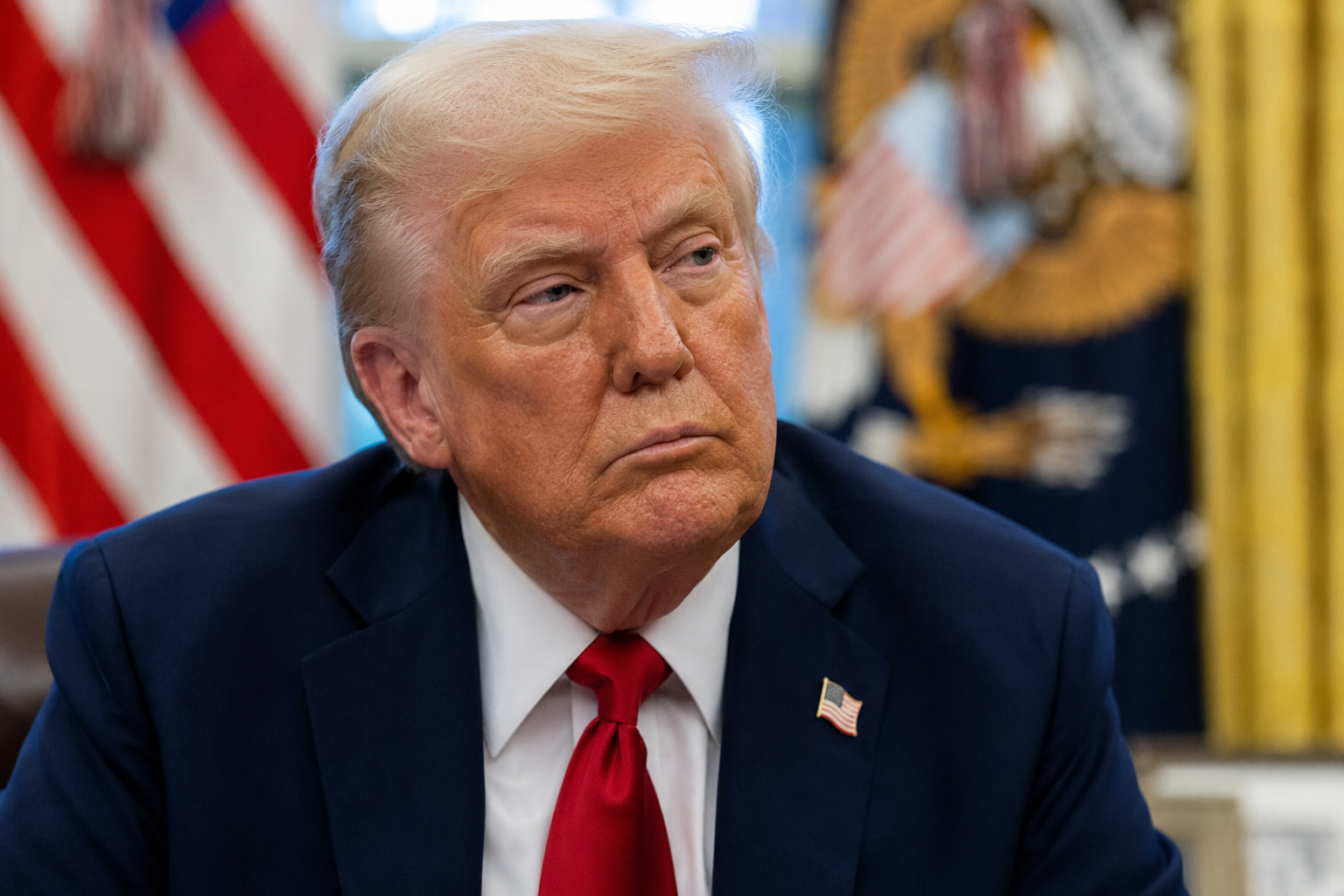

Trump Denies Leaked Iran Deal Terms
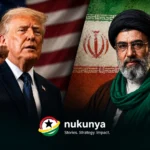
U.S. President Donald Trump on Friday angrily dismissed reports detailing alleged terms of a proposed peace agreement with Iran, accusing Tehran of leaking misleading information during sensitive negotiations aimed at preventing a wider Middle East conflict.
The dispute erupted after several media outlets published details of what they described as a draft memorandum between Washington and Tehran. The reported terms suggested the United States could ease sanctions on Iran, release frozen Iranian funds and delay major disputes over Tehran’s nuclear programme in exchange for steps toward regional de-escalation.
Trump denied the leaked reports reflected the actual negotiations taking place behind closed doors.
“The terms that Iran leaked out to the Fake News have NOTHING to do with the terms that were agreed to, in writing,” Trump said in a post on Truth Social. He also accused Iranian negotiators of acting dishonourably and attempting to manipulate public opinion before any agreement had been finalised.
Diplomats Push for Middle East De-Escalation
The developments added fresh uncertainty to talks that officials from multiple countries had earlier described as being close to producing a breakthrough agreement. Diplomats from Oman, Qatar and Switzerland have reportedly been involved in mediating discussions between the two sides in recent weeks.
According to reports published by regional and Western media, the leaked draft outlined a temporary framework under which Iran would receive partial sanctions relief, including permission to export larger quantities of oil and regain access to billions of dollars in frozen overseas assets.
In return, Iran was reportedly expected to cooperate on restoring safe passage through the Strait of Hormuz, the strategically important waterway through which roughly one-fifth of the world’s oil supply passes. The route has faced repeated disruptions in recent months amid rising tensions between Iran, Israel and the United States.
The reports also indicated that the draft agreement may postpone some of the most contentious issues, including Iran’s uranium enrichment activities and its ballistic missile programme, until future rounds of negotiations.
Criticism Emerges Over Alleged Concessions
The alleged concessions immediately triggered criticism from some U.S. lawmakers and foreign policy analysts, who argued the reported deal appeared overly favourable to Tehran.
A senior U.S. administration official later attempted to downplay the controversy, telling reporters that any final agreement would depend on Iran taking verifiable steps to reduce nuclear risks and curb support for armed groups operating across the Middle East.
“There will be no sanctions relief without performance,” the official said, adding that Washington remained committed to preventing Iran from obtaining nuclear weapons capability.
Iranian state-linked media, however, portrayed the draft discussions differently, suggesting Tehran had successfully resisted pressure to dismantle key parts of its nuclear infrastructure before receiving economic concessions.
Regional Tensions Continue to Rise
The diplomatic tensions come after weeks of heightened military activity in the region. Earlier this month, clashes involving Iranian-backed militias and Israeli forces intensified along the Lebanon border, while attacks on commercial vessels near the Strait of Hormuz raised fears of disruption to global energy markets.
Trump said on Thursday that he had paused consideration of broader military action because negotiators were making progress toward a diplomatic settlement.
The White House has not officially confirmed the exact terms currently under discussion, and multiple officials cautioned that negotiations remain fluid and subject to rapid change.
Israeli Prime Minister Benjamin Netanyahu is also reported to have expressed concerns over aspects of the proposed framework, particularly any arrangement that could limit Israeli military operations against Hezbollah and other Iran-backed groups in the region.
Oil Markets React to Uncertainty
Financial markets reacted cautiously to the latest developments. Oil prices initially fell earlier in the week after reports suggested a possible peace agreement was near, easing concerns over potential supply disruptions in the Gulf region. However, prices regained some ground after Trump publicly rejected the leaked details.
Analysts say the outcome of the negotiations could have major implications for global energy markets, regional security and future U.S. relations with Iran.
Despite the public disagreement over the reported terms, diplomatic sources familiar with the talks said negotiations are continuing and that both sides remain under pressure to avoid further military escalation in the Middle East.
No final agreement has yet been announced.
Related posts:
 US pauses $14bn arms sale to Taiwan amid Iran conflict, navy chief says
  US-Iran Exchange Fire as Trump Seeks Changes to Proposed Deal
  Hezbollah Rejects US-Backed Lebanon Ceasefire, Raising Doubts Over Wider Peace Efforts
  Iran Fires Missiles at Kuwait and Bahrain as Gulf Conflict Threatens Global Energy Routes
  Israel Launches Strikes Inside Iran After Missile Attack as Regional Tensions Escalate