
Southwark Council Recovers Property Linked to Sierra Leone First Lady After Housing Investigation

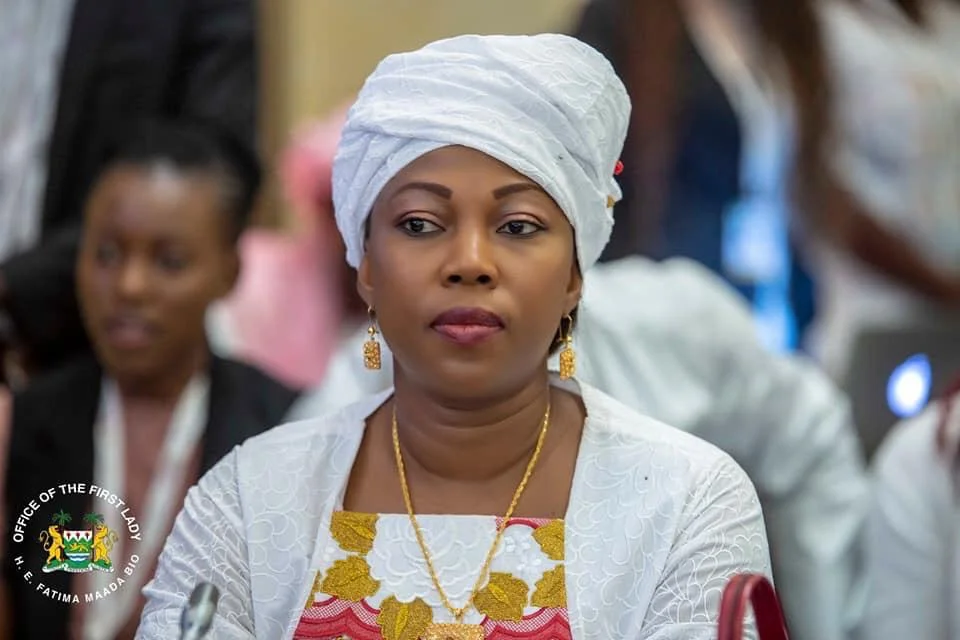

Southwark Council has recovered a council property linked to Sierra Leone’s First Lady, Fatima Bio, following a year-long investigation into the tenancy. The case has drawn attention in both Britain and Sierra Leone, raising wider questions about public accountability, social housing and public trust.
LONDON, UNITED KINGDOM – Southwark Council in London has recovered a council property linked to Sierra Leone’s First Lady, Fatima Bio, following a year-long investigation into a tenancy that remained active after she relocated to Sierra Leone when her husband, Julius Maada Bio, became president in 2018.
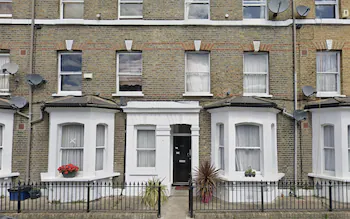
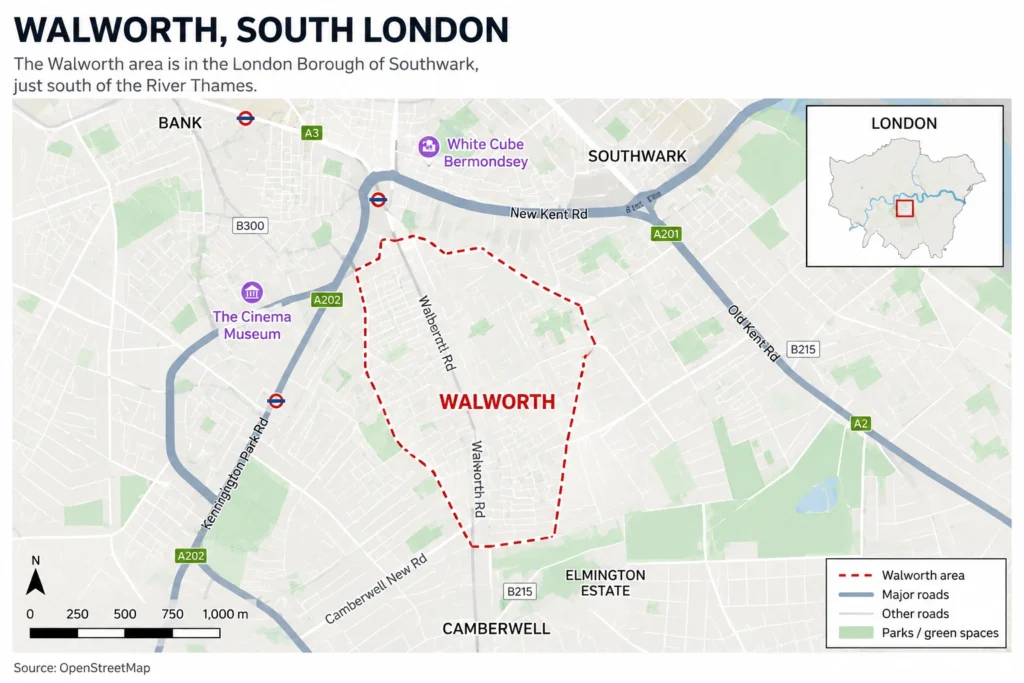
The South London authority confirmed that it had taken possession of the two-bedroom property in Walworth after an investigation by its Housing Investigations Team. The council said the home would now be returned to its housing stock and allocated to a family in need.
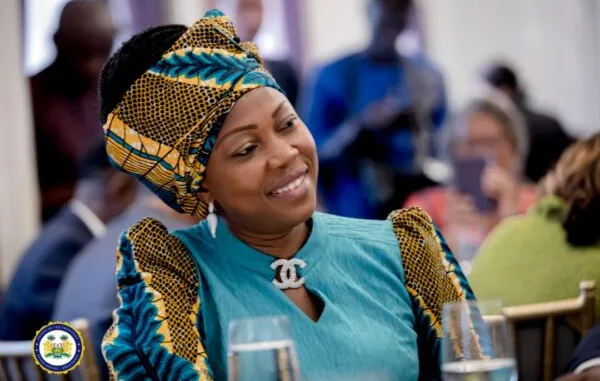
Reginald Popoola, Southwark Council’s cabinet member responsible for housing, said the authority was pleased to return the property to its intended purpose.
“I look forward to bringing this council property back to its original purpose, which is to provide a safe and secure home for people with legitimate housing needs on the council’s waiting list,” he said.
“This property will be swiftly allocated to a local family in genuine housing need.”
The council’s decision follows a 12-month investigation into the tenancy. According to Southwark, more than 18,000 households remain on its housing waiting list, reflecting wider pressure on social housing across London.
Why the case attracted attention
The tenancy attracted growing scrutiny in both the United Kingdom and Sierra Leone because Fatima Bio continued to be linked to the property after moving to Freetown when President Bio took office in 2018. Fatima Bio has previously defended her position, arguing that she had not committed any crime and noting that her children are British citizens.
Reports noted that Southwark Council did not accuse the First Lady of criminal wrongdoing. The council’s action focused on the tenancy and recovery of the property rather than any criminal allegation. The case subsequently became the subject of wider media investigations examining the family’s property interests and public profile.
An investigation published by the Organised Crime and Corruption Reporting Project (OCCRP) reported that Fatima Bio and relatives acquired several properties in The Gambia after President Bio took office and examined questions surrounding the source of funds used for some purchases. The investigation reported that family members denied wrongdoing or provided explanations for their property acquisitions.
The OCCRP investigation also noted that neither Fatima Bio nor members of her family were charged with offences in relation to the property purchases it examined.
A wider housing debate
Housing experts say the significance of the Southwark case extends beyond a single tenancy. London councils continue to face acute shortages of affordable housing, while waiting lists remain high across many boroughs. Against that backdrop, cases involving council housing often attract heightened public attention because they touch on questions of fairness, access and public confidence in housing allocation systems.
For many observers, the Southwark decision has become symbolic of a broader debate about accountability and the expectations placed on public figures and their families. The issue has resonated particularly strongly among African diaspora communities in Britain, where discussions about governance increasingly focus not only on legal compliance but also on transparency and public trust.
What happens next
Southwark Council says the recovered property will now be returned to housing allocation for local residents in need. While the housing investigation itself appears to have concluded, the wider discussion surrounding public accountability is likely to continue in both Britain and Sierra Leone. The case highlights how decisions involving public resources can attract international attention when they intersect with questions of political leadership, ethics and public confidence.
Related posts:
 South Africa Police Chief Suspended Over $21m Corruption Probe
  South Africa Police Inquiry Hears Corruption, Drug Raid and Crime Syndicate Allegations
  Mahama Calls for Renewed Pan-African Unity and Reparations Agenda During UK Visit
  Mahama Bans Ministers, State CEOs From Accepting Private Awards Without Approval
  South Africa’s World Cup Defeat Sparks Debate Over Migration and African Solidarity