
How to Prevent Haemorrhoids: Simple Lifestyle Changes Every Ghanaian Should Know

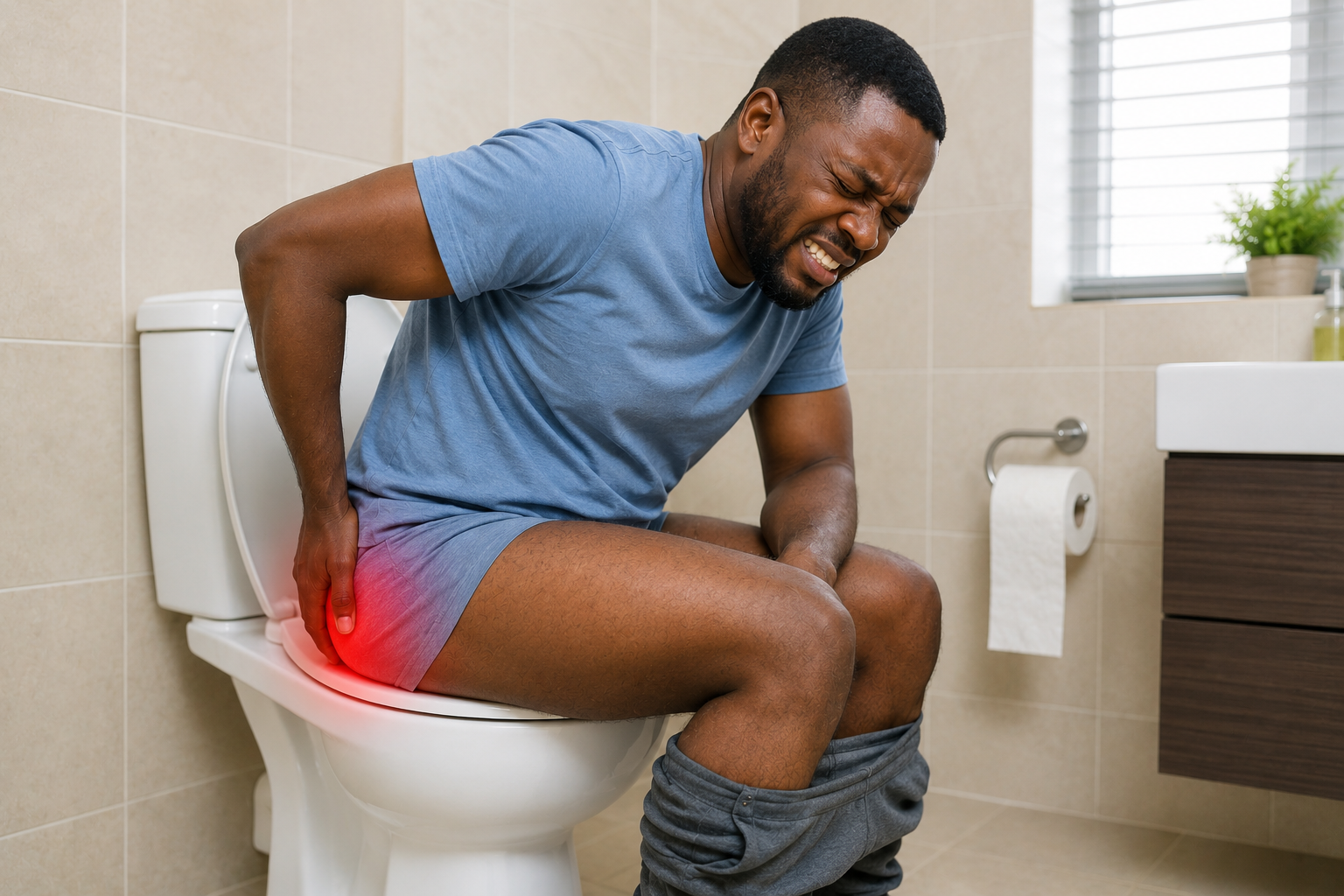

Haemorrhoids, commonly known as piles, are one of the most common digestive health conditions, yet many people are reluctant to talk about them. The condition affects people of all ages and can cause pain, itching, swelling and bleeding around the anus.
Although haemorrhoids are usually not life-threatening, they can significantly affect quality of life if left untreated. The good news is that many cases can be prevented through simple changes to diet, exercise and daily habits.
For many Ghanaians, busy lifestyles, long hours of sitting, low fibre diets and inadequate water intake can all increase the risk of developing haemorrhoids. Health experts say adopting healthier bowel habits and maintaining a balanced diet are among the most effective ways to reduce that risk.
What are haemorrhoids?
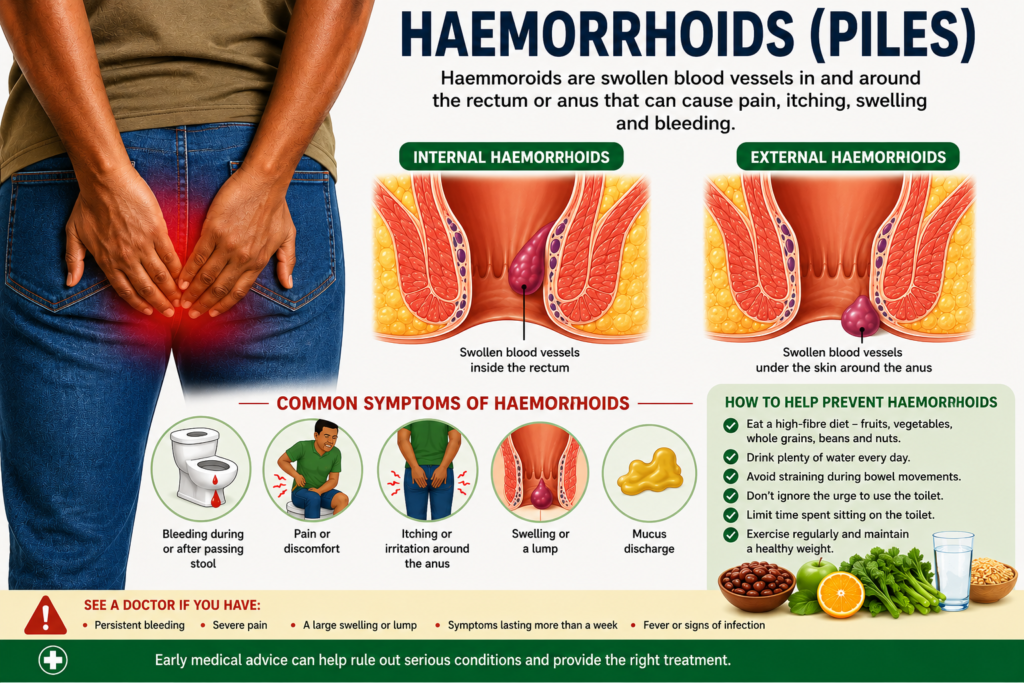
Haemorrhoids are swollen blood vessels inside or around the rectum and anus. They may develop internally, where they are often painless but can bleed, or externally, where they may become painful, itchy or swollen.
Common symptoms include:
- Bright red blood after passing stool
- Pain or discomfort during bowel movements
- Itching around the anus
- Swelling or a lump near the anus
- Mucus discharge after using the toilet
Anyone experiencing persistent rectal bleeding should seek medical advice, as similar symptoms may be caused by more serious conditions.
Eat More Fibre Every Day
One of the leading causes of haemorrhoids is constipation. Hard stools require more straining during bowel movements, placing pressure on the veins around the rectum.
Increasing fibre intake helps soften stools, making them easier to pass.
Many traditional Ghanaian foods are naturally rich in fibre, including:
- Kontomire
- Garden eggs
- Okra
- Beans and cowpeas
- Fruits such as oranges, mangoes and pawpaw
- Whole-grain cereals and brown rice
Gradually increasing fibre intake can improve bowel health while reducing the likelihood of constipation.
Drink Enough Water
Fibre works best when combined with adequate hydration.
Ghana’s warm climate increases fluid loss through sweating, making it especially important to drink enough water throughout the day.
Health professionals recommend drinking water regularly rather than waiting until you feel thirsty. Proper hydration helps keep stools soft and easier to pass.
Don’t Ignore the Urge to Use the Toilet
Many people delay going to the toilet because they are working, travelling or attending school.
Ignoring the urge allows stools to become harder and drier, increasing the need to strain later.
Developing a regular toilet routine can improve bowel health and reduce pressure on the rectal veins.
Avoid Straining
Forcing bowel movements places excessive pressure on the blood vessels in the anus.
Instead of pushing hard, allow enough time for natural bowel movements. If nothing happens after a few minutes, it is often better to leave and try again later rather than continue straining.
Spend Less Time Sitting on the Toilet
Many people now spend several minutes scrolling through their mobile phones while sitting on the toilet.
Medical experts warn that prolonged sitting increases pressure on the rectal area and may worsen existing haemorrhoids.
Using the toilet only for bowel movements and limiting time spent there can help reduce this pressure.
Stay Physically Active
Regular physical activity helps keep the digestive system functioning normally.
Walking, cycling, swimming and other moderate exercises encourage healthy bowel movements while reducing constipation.
Even a daily 30-minute walk can make a noticeable difference.
Maintain a Healthy Weight
Excess body weight increases pressure inside the abdomen and pelvis, placing additional strain on the veins surrounding the rectum.
Eating balanced meals and staying active can help reduce this risk while improving overall health.
When Should You See a Doctor?
Although many haemorrhoids improve with lifestyle changes and over-the-counter treatments, medical attention should be sought if symptoms persist or worsen.
See a healthcare professional if you experience:
- Persistent rectal bleeding
- Severe pain
- A large swelling around the anus
- Symptoms lasting more than a week despite home treatment
- Fever or signs of infection
Early assessment is important because bleeding from the rectum may be caused by other medical conditions that require prompt investigation.
Prevention Is Better Than Treatment
Haemorrhoids are common but often preventable. Small daily habits—such as eating more fibre, drinking enough water, exercising regularly and avoiding prolonged sitting on the toilet—can significantly reduce the risk.
For Ghanaians, making healthy choices using locally available foods and maintaining an active lifestyle can protect digestive health while lowering the chances of developing this painful condition.
If symptoms occur repeatedly or do not improve, seeking medical advice early can help prevent complications and ensure appropriate treatment.
Related posts:
 Why More Ghanaians Are Being Diagnosed with Type 2 Diabetes
  The Hidden Power of Sleep: 4 Essential Reasons It Supports Health, Wellbeing and Long-Term Survival
  6 Prostate Cancer Symptoms: Why Every Man Should Get Their Prostate Checked
  Hirsutism: The 5 Reasons That Causes Excess Hair Growth and Emotional Stress
  Malaria Cases Rise During Rainy Season: What Ghanaians Need to Know