
Malaria Cases Rise During Rainy Season: What Ghanaians Need to Know

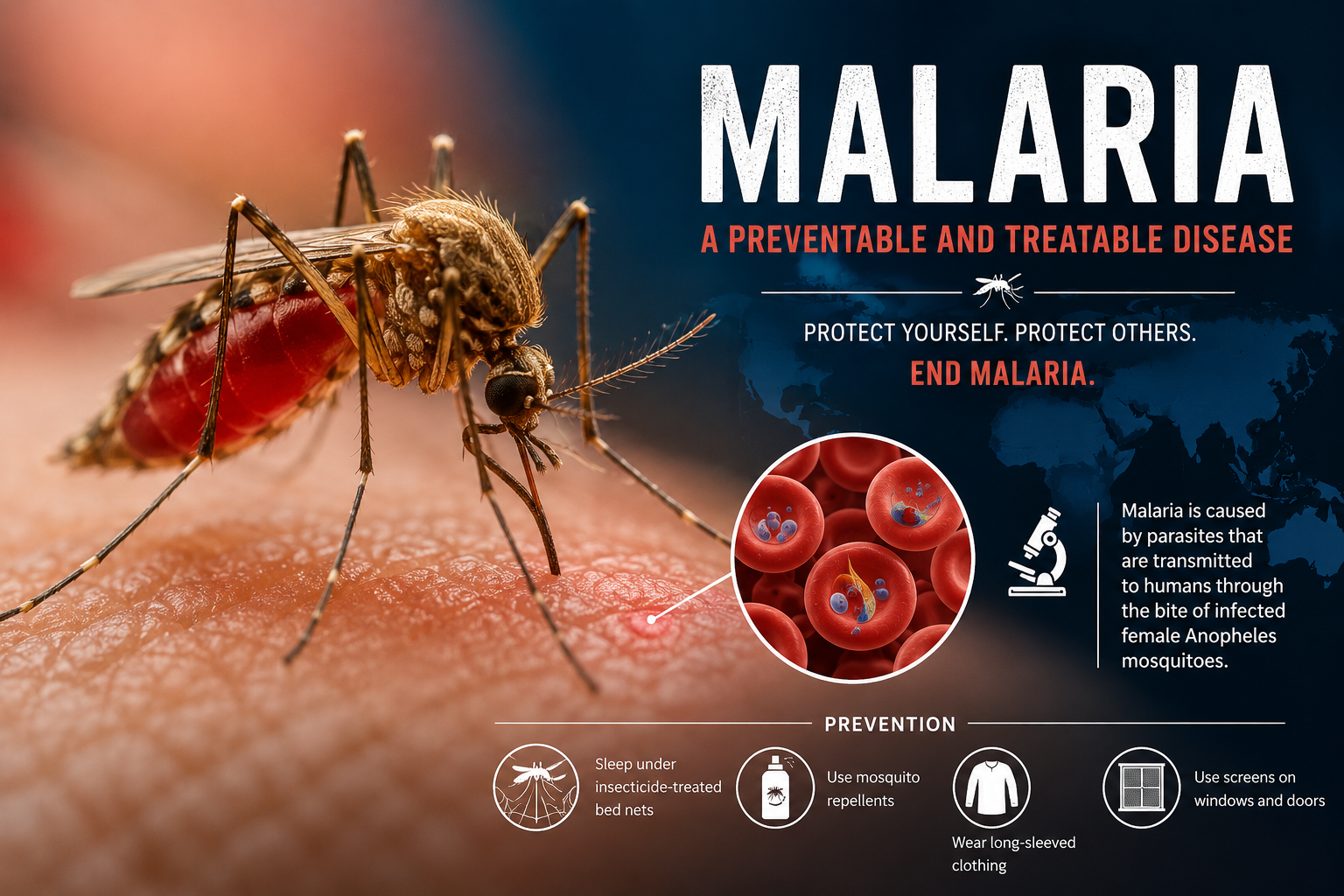

Health Experts Urge Vigilance as Increased Mosquito Breeding Raises Infection Risk Across Ghana
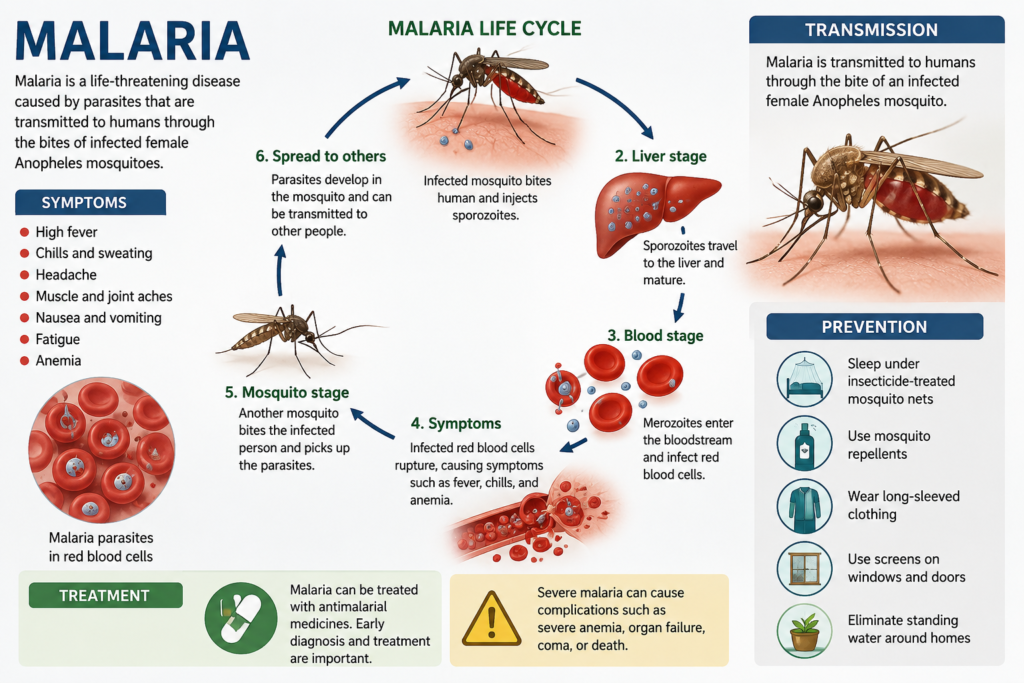
ACCRA, Ghana — Health officials and medical experts are urging Ghanaians to take extra precautions against malaria as the rainy season creates favourable conditions for mosquito breeding, leading to a rise in cases across many parts of the country. Malaria remains one of Ghana’s most significant public health challenges despite years of prevention campaigns and improved access to treatment. The disease, transmitted through the bite of infected female Anopheles mosquitoes, continues to affect millions of people annually, particularly children under five and pregnant women.
Healthcare professionals say the rainy season typically brings an increase in malaria infections as stagnant water accumulates in drains, puddles, construction sites and uncovered containers, providing ideal breeding grounds for mosquitoes.
“Every rainy season, health facilities record a noticeable increase in malaria cases,” said a public health specialist in Accra. “The combination of increased mosquito breeding and inadequate environmental sanitation contributes significantly to transmission.”
Rainfall Creates Ideal Conditions for Mosquitoes
The seasonal rise in malaria cases is closely linked to environmental conditions. Heavy rains often leave pools of standing water in communities, particularly in areas with poor drainage systems. Mosquitoes can breed in even small amounts of stagnant water, and their populations can increase rapidly during prolonged periods of rainfall.
Health authorities say blocked drains, discarded plastic containers, old tyres and uncovered water storage containers are among the most common mosquito breeding sites found in urban and rural communities.
Environmental health officers are encouraging residents to participate in community clean-up exercises and eliminate stagnant water around homes to reduce mosquito populations. Experts note that malaria transmission can occur throughout the year in Ghana, but the risk often increases during and immediately after periods of heavy rainfall.
Children and Pregnant Women Face Higher Risks
Medical professionals continue to identify young children and pregnant women as among the groups most vulnerable to severe malaria. Children under the age of five are particularly susceptible because their immune systems are still developing. Malaria can quickly become life-threatening if not diagnosed and treated promptly. Pregnant women are also at increased risk of complications, including severe anaemia, miscarriage, premature birth and low birth weight.
Healthcare providers are encouraging expectant mothers to attend regular antenatal clinics where preventive malaria interventions are available.
“Early diagnosis and preventive care remain critical, especially for vulnerable populations,” said a healthcare worker at a regional hospital.
Recognising the Symptoms of Malaria
Health experts stress the importance of recognising malaria symptoms early to prevent severe illness.
Common symptoms include:
- High fever
- Chills and sweating
- Headaches
- Fatigue and weakness
- Muscle and joint pain
- Nausea and vomiting
- Loss of appetite
In severe cases, malaria can lead to difficulty breathing, seizures, organ failure and death if treatment is delayed.
Medical professionals advise individuals experiencing symptoms to seek testing at a healthcare facility rather than relying solely on self-medication.
Rapid diagnostic tests and laboratory examinations are widely available across Ghana and can help confirm infections before treatment begins.
Prevention Remains the Most Effective Defence
Public health experts say prevention remains one of the most effective tools in reducing malaria infections. The use of insecticide-treated mosquito nets continues to be strongly recommended, particularly for children and pregnant women.
Sleeping under treated nets significantly reduces exposure to mosquito bites during the night, when malaria-transmitting mosquitoes are most active. Health authorities are also encouraging households to install window screens, use mosquito repellents where available and wear protective clothing during peak mosquito activity periods.
Community leaders have been urged to support local sanitation initiatives aimed at reducing mosquito breeding sites.
“Prevention is far less costly than treatment,” a public health advocate said. “Simple actions at household and community levels can save lives.”
Economic Impact of Malaria
Beyond its health effects, malaria continues to have a substantial economic impact on families and businesses across Ghana. The disease contributes to lost workdays, reduced productivity and increased healthcare costs.
Parents often miss work to care for sick children, while businesses may experience reduced workforce availability during periods of increased infections. Health economists note that reducing malaria transmission could contribute significantly to economic growth by improving workforce productivity and reducing healthcare expenditure.
Government and Health Sector Response
Ghana’s health sector has made considerable progress in malaria control through public education campaigns, mosquito net distribution programmes and improved access to treatment. However, health experts say sustained investment and community participation remain essential to maintaining progress.
Authorities continue to promote awareness campaigns focused on prevention, early diagnosis and prompt treatment. International health organisations have also supported malaria control efforts through funding, technical assistance and research initiatives aimed at reducing the burden of the disease.
Looking Ahead
While malaria remains preventable and treatable, health professionals warn that complacency could undermine years of progress. As rainfall continues across parts of Ghana, experts are calling on individuals, families and communities to take preventive measures seriously.
Reducing stagnant water, sleeping under insecticide-treated nets and seeking immediate medical attention when symptoms appear can significantly reduce the impact of the disease.
With coordinated action from health authorities, communities and households, experts believe Ghana can continue making progress in the fight against malaria while protecting vulnerable populations during the rainy season and beyond.
Related posts:
 Social media linked to higher loneliness, as study highlights limits of online friendships
  The Hidden Power of Sleep: 4 Essential Reasons It Supports Health, Wellbeing and Long-Term Survival
  6 Prostate Cancer Symptoms: Why Every Man Should Get Their Prostate Checked
  Hirsutism: The 5 Reasons That Causes Excess Hair Growth and Emotional Stress
  Why More Ghanaians Are Being Diagnosed with Type 2 Diabetes