
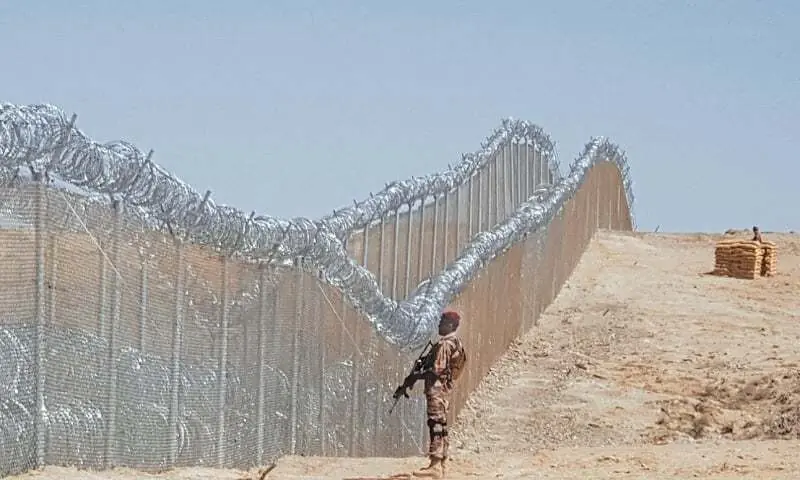
Pakistan says security forces kill 29 fighters in cross-border operation with Afghanistan


Follow Nukunya
Get the latest breaking news and updates from Nukunya.
Pakistan says its security forces killed 29 fighters during cross-border operations following a deadly militant attack in Karachi, as tensions with Afghanistan continue to deepen.
ISLAMABAD, Pakistan — Pakistan says security forces killed 29 fighters during a large-scale ground operation supported by air strikes along the country’s border with Afghanistan, marking the latest escalation in an increasingly volatile security situation between the neighbouring states.
Pakistani officials said the operation was launched after a series of coordinated militant attacks, including an assault on the headquarters of the Pakistan Rangers in Karachi a day earlier that left three soldiers dead. Authorities described the cross-border campaign as targeting armed groups operating from sanctuaries across eastern Afghanistan.
The latest military action highlights worsening tensions between Islamabad and Kabul despite repeated diplomatic efforts to stabilise relations. Security analysts say continued violence risks undermining regional stability, affecting trade, border communities and broader counter-terrorism cooperation across South Asia.
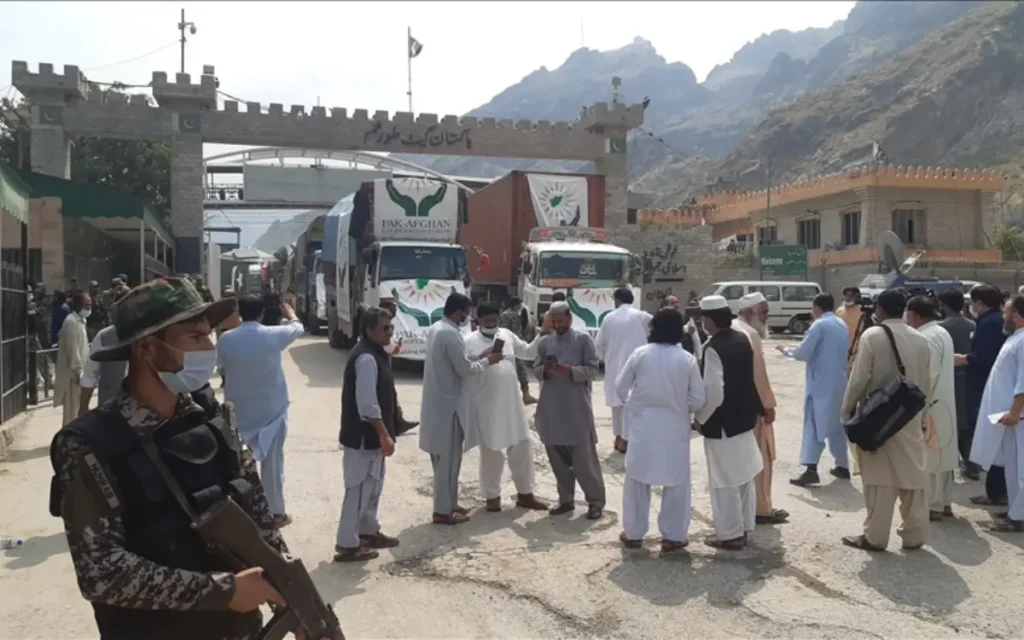
Pakistan security forces kill 29 fighters after Karachi attack
Pakistan’s Information Minister, Attaullah Tarar, said security forces conducted precision strikes against what he described as militant infrastructure in Afghanistan’s eastern provinces of Paktia, Paktika and Kunar before launching coordinated ground operations.
According to the government, the operation was aimed at dismantling networks blamed for recent attacks targeting Pakistani security personnel. Officials said 29 fighters were killed during the operation. Independent verification of the casualty figures was not immediately available.
The military said security personnel also arrested another suspected attacker following the Karachi assault. Authorities identified him as an Afghan national receiving medical treatment after sustaining injuries during the operation.
The Karachi attack targeted the regional headquarters of the Pakistan Rangers, a federal paramilitary force responsible for internal security and border protection. Officials said heavily armed militants used firearms and explosives during the assault. A faction known as Jamaat-ul-Ahrar later claimed responsibility for the Karachi attack.
Long-running tensions continue along the Pakistan-Afghanistan border
Pakistan has experienced a sharp increase in militant violence over the past several years, with security agencies repeatedly blaming Tehrik-e-Taliban Pakistan (TTP) and affiliated groups for attacks against military and police personnel.
Islamabad maintains that many militants operate from safe havens inside Afghanistan before crossing into Pakistan to launch attacks. Afghanistan’s Taliban government has consistently rejected those accusations, insisting it does not allow its territory to be used against neighbouring countries.
The differing positions remain one of the principal obstacles preventing lasting improvements in bilateral relations. Pakistan’s latest operation follows another series of cross-border strikes earlier this month that temporarily intensified military confrontation between both countries.
Although diplomatic mediation helped reduce hostilities, officials on both sides have continued exchanging accusations over responsibility for cross-border violence. China has also attempted to facilitate dialogue between Islamabad and Kabul, encouraging both governments to pursue diplomatic solutions while reducing military escalation. Despite those efforts, repeated attacks have continued to undermine confidence-building measures.
Regional implications
Security experts warn that continued military exchanges risk creating wider instability across South Asia.
The Pakistan-Afghanistan border remains one of the region’s most sensitive security corridors, with militant activity affecting civilian communities, commercial transport routes and humanitarian access.
Frequent border closures have disrupted trade, delayed cargo movements and affected thousands of families whose livelihoods depend on cross-border commerce.
For neighbouring countries, including China and Central Asian states, prolonged instability could complicate regional infrastructure projects and broader economic cooperation.
The situation is also being monitored closely by international security organisations concerned about the movement of extremist groups across porous borders.
Human impact
Residents living near the border have repeatedly faced displacement as military operations and militant attacks continue. Cross-border communities often experience interruptions to education, healthcare access and local trade whenever security deteriorates.
Aid organisations have previously warned that recurring violence places additional pressure on already vulnerable populations in remote border regions. Businesses transporting agricultural goods and consumer products through official crossing points have also reported increased delays whenever military operations intensify.
What happens next
Pakistani authorities say security operations will continue against militant groups considered responsible for attacks on security forces.
Meanwhile, Afghanistan has not announced any military response to the latest operation but continues to reject Pakistan’s allegations regarding militant safe havens.
Regional observers say future diplomatic engagement between Islamabad and Kabul will be crucial in determining whether tensions ease or whether further military exchanges occur along the shared frontier.
For now, both governments remain under increasing pressure to balance national security priorities with efforts to prevent another cycle of cross-border violence.
Security Further operations may continue if Pakistan links new attacks to militant networks near the border.
Diplomacy Talks between Islamabad and Kabul will be central to preventing escalation.
Regional risk Renewed exchanges could affect border communities, trade routes and humanitarian access.
What to watch Official statements, casualty updates, border closures and mediation efforts by regional partners.
Why this matters for Ghana
Although the conflict is geographically distant, instability along the Pakistan-Afghanistan border has wider implications for global security, commodity supply chains and international diplomatic cooperation.
Ghanaian peacekeepers, businesses engaged in international trade and policymakers monitoring global security developments continue to follow such events because regional conflicts can influence energy prices, shipping costs and broader geopolitical stability.

Related posts:
 Iran and Israel Halt Attacks After Trump Intervention, but Ceasefire Remains Fragile
  Hezbollah Rejects US-Backed Lebanon Ceasefire, Raising Doubts Over Wider Peace Efforts
  Twin Earthquakes Strike Venezuela, Collapsing Buildings in Caracas
  Former Trump adviser John Bolton pleads guilty in classified documents case
  Police Probe Shooting That Injured Adwoa Safo Amid Kristo Asafo Leadership Dispute