
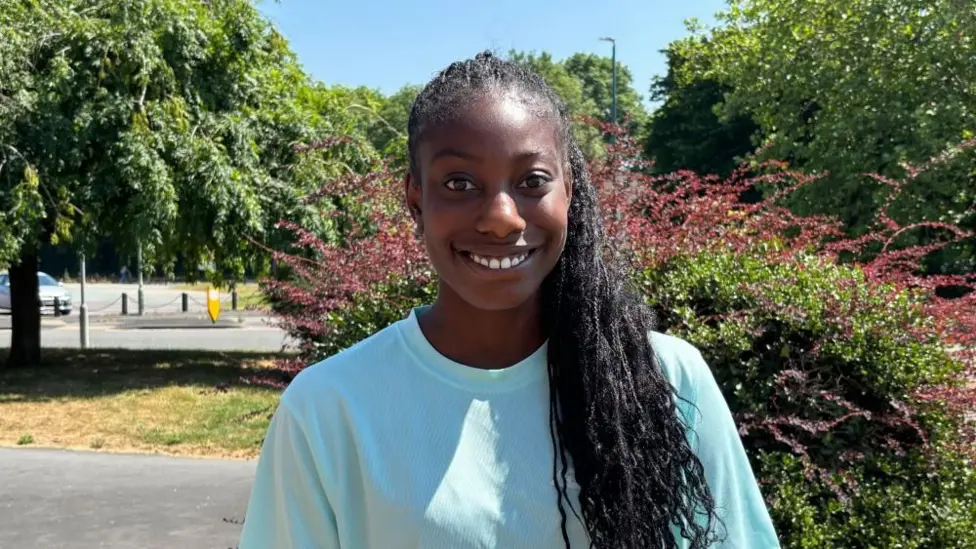
British Teen Gwen Klu Chooses Ghana for Billie Jean King Cup Debut


Follow Nukunya
Get the latest breaking news and updates from Nukunya.
The 16-year-old Telford tennis prospect will represent Ghana at the Billie Jean King Cup in Botswana after choosing the West African nation over other eligible countries, marking a significant milestone for both her career and Ghanaian tennis.
LONDON, United Kingdom — British-born teenager Gwen Klu will represent Ghana at the 2026 Billie Jean King Cup Africa Group III tournament in Botswana, becoming one of the latest young diaspora athletes to wear the national colours on the international stage.
The 16-year-old, from Hadley in Telford, is expected to compete in Gaborone after receiving an invitation from the Ghana Tennis Federation. The tournament brings together national teams from across Africa, with promotion to the Europe/Africa Group II competition at stake.
For Ghana, Klu’s decision represents more than the addition of a promising player. It reflects an increasingly successful effort by national sporting bodies to engage talented members of the Ghanaian diaspora, many of whom have developed their careers in Europe before representing their ancestral homeland.

Klu has spent the past three-and-a-half years training at the Ellesmere College Tennis Academy, where she has regularly represented Shropshire county teams. She first discovered tennis after a coach visited her primary school and introduced pupils to the sport at Telford Tennis Centre.
Her steady progress through the junior ranks, including achieving an International Tennis Federation (ITF) junior world ranking, attracted the attention of Ghanaian officials. Although she was eligible to represent three countries because of her family background, she said Ghana approached her first.
Speaking before travelling to Botswana, Klu described the opportunity as an honour.
“Ghana gave me the opportunity first, so I just took their call,” she said, adding that she hopes the experience will allow her to compete at a higher level while discovering more of Africa’s cultures.
The teenager said her immediate focus is on performing well regardless of the opposition.
She could face players from countries including Nigeria, Algeria and Tunisia as Ghana competes in Africa Group III, where the leading teams will earn promotion to the next level of the Billie Jean King Cup regional competition.
Klu also acknowledged the financial realities facing many young tennis players. She said her family currently funds much of her career and hopes competing on the international stage will attract sponsorship opportunities to support her development.
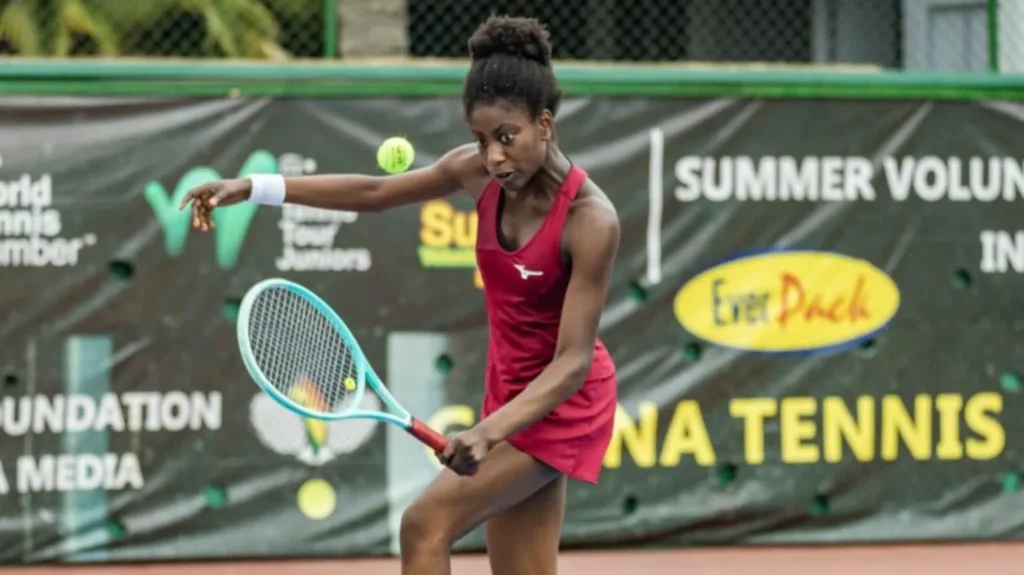
A growing diaspora pathway
Gwen’s selection continues a broader trend in Ghanaian sport, where athletes raised overseas have increasingly chosen to represent the country across football, athletics, basketball and now tennis.
For Ghana Tennis, attracting internationally trained players offers an opportunity to strengthen national teams while raising the sport’s profile domestically. At the same time, athletes gain valuable international experience and the chance to compete in prestigious team competitions.
Unlike football, where nationality switches often attract widespread attention, tennis has seen fewer high-profile examples of diaspora recruitment. Her decision therefore represents a potentially significant moment for Ghana’s ambitions to build greater competitiveness in women’s tennis.
The Billie Jean King Cup, regarded as the women’s world team championship in tennis, provides developing nations with a platform to earn promotion through regional competition before reaching higher international levels. If Ghana performs strongly in Botswana, promotion would mark another step in the country’s efforts to establish itself more consistently within African tennis.
For Gwen personally, the tournament offers the opportunity to test herself against experienced international opponents while beginning what could become a long association with Ghanaian tennis.
Whether it proves to be the first chapter of a successful international career remains to be seen, but her decision highlights the growing role of the Ghanaian diaspora in strengthening national sport and broadening opportunities for young athletes with Ghanaian heritage.
Five Key Takeaways
Gwen Klu’s selection gives Ghana another opportunity to strengthen its international tennis programme while deepening sporting links with the diaspora.
-
01
Ghana representative
Gwen Klu will represent Ghana at the Billie Jean King Cup Africa Group III.
-
02
Botswana hosts
The tournament will be staged in Gaborone, Botswana.
-
03
Diaspora invitation
The British-born teenager was invited by the Ghana Tennis Federation.
-
04
English county experience
Klu previously represented Shropshire county teams in England.
-
05
Promotion opportunity
The tournament’s leading teams can earn promotion to the Europe/Africa Group II level.
Diaspora and Sports Development
Why This Matters for Ghana
Ghana’s effort to identify and recruit talented diaspora athletes offers an important route to strengthening national teams across a wider range of sports.
Klu’s selection demonstrates that diaspora engagement is not limited to football. Tennis can also benefit from athletes who have developed through competitive systems abroad and are willing to represent Ghana internationally.
Such players can bring valuable match experience, exposure to stronger training environments and knowledge of professional development pathways.
The longer-term test is whether individual recruitment is supported by investment in domestic coaching, junior competitions, facilities and player-development systems inside Ghana.
Gwen Klu at a Glance
- Nationality link
- British-born Ghanaian
- Sport
- Tennis
- Previous representation
- Shropshire county teams
- International assignment
- Billie Jean King Cup Africa Group III
- Tournament location
- Gaborone, Botswana
- National body
- Ghana Tennis Federation
How Diaspora Recruitment Can Support Ghana Tennis
Identify Eligible Talent
Build stronger networks with Ghanaian players, coaches and families based overseas.
Integrate Players Early
Give diaspora athletes sufficient time to train with national teammates and understand the competitive programme.
Transfer Knowledge
Use international experience to support local coaches, junior players and performance systems.
Build Domestic Depth
Ensure overseas recruitment complements rather than replaces local investment in Ghanaian tennis.
Tournament Context
What Is at Stake in Botswana?
The Billie Jean King Cup is the leading international women’s team competition in tennis. Africa Group III provides participating nations with an opportunity to compete regionally and seek promotion.
Strong performances in Gaborone would improve Ghana’s competitive standing and provide valuable international match experience for the national team.
Promotion would also expose Ghanaian players to a stronger level of opposition in the Europe/Africa Group II competition.
Reporting and Analysis
Reported Facts
- Klu has been selected to represent Ghana.
- The competition will take place in Gaborone.
- She was invited by the Ghana Tennis Federation.
- She previously represented Shropshire county teams.
- Promotion is available to the tournament’s top teams.
Analytical Significance
- The selection strengthens Ghana’s diaspora sports strategy.
- It may improve the national team’s competitive depth.
- It expands diaspora engagement beyond football.
- Long-term impact depends on domestic player development.
Related posts:
 Ghana Embassy in US Yet to Receive World Cup Tickets for Diaspora Distribution
  Diaspora Affairs Office Backs New Volunteerism Initiative to Harness Ghanaian Talent Abroad
  Ghana’s UK High Commissioner Calls on Diaspora to Drive Investment and Growth
  Ghana moves nearly 900 citizens to safe havens ahead of South Africa protests
  Novak Djokovic Battles Past Felix Auger-Aliassime to Set Up Wimbledon Semi-final Against Jannik Sinner