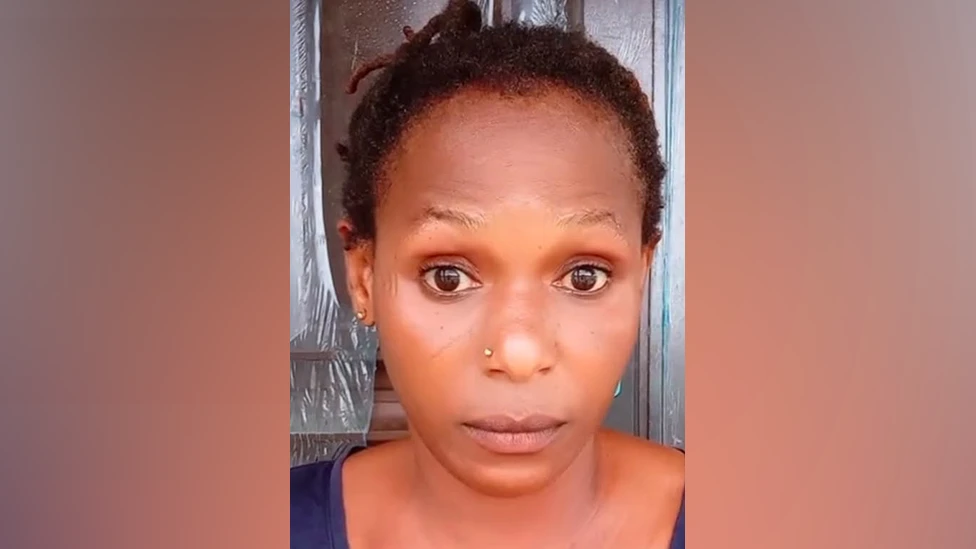
TikToker Camilla Alhassan jailed for one year over false claims about President Mahama
A Ghanaian court has jailed TikTok creator Camilla Alhassan for one year after she admitted publishing false claims about President John Mahama, renewing debate over misinformation and freedom of expression.


Follow Nukunya
Get the latest breaking news and updates from Nukunya.
A Ghanaian court has sentenced TikTok creator Camilla Alhassan to one year in prison after she pleaded guilty to publishing false news and offensive conduct over videos making unsubstantiated claims about President John Dramani Mahama, in a case that has renewed debate over misinformation and freedom of expression.
ACCRA, Ghana — A Ghanaian court has sentenced TikTok creator Camilla Alhassan to one year in prison after she pleaded guilty to publication of false news and offensive conduct over videos that falsely alleged President John Dramani Mahama sacrificed 32 cows to secure victory in the 2024 presidential election.
The sentence follows Alhassan’s admission that she created and shared the videos on TikTok. During sentencing, the court rejected her plea for leniency, ruling that a custodial sentence was necessary to discourage the growing spread of false information on social media and to protect the public interest.
Prosecutors told the court that Alhassan published videos alleging, without evidence, that President Mahama had performed ritual sacrifices involving 32 cows to influence the outcome of Ghana’s 2024 presidential election. She also claimed that the government’s distribution of sanitary pads to flood victims was intended to conceal the alleged ritual activities. The prosecution said the allegations were entirely false.
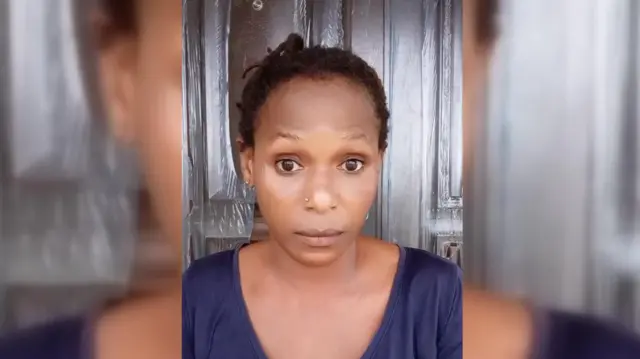
The videos circulated widely on social media before authorities arrested Alhassan and brought criminal charges against her. She subsequently pleaded guilty to the offences during court proceedings.
In delivering judgement, the court said imprisonment was appropriate because misinformation disseminated through social media could have significant consequences for public confidence and social cohesion. The judge concluded that a custodial sentence would serve as a deterrent against similar conduct by others.
The case has become one of Ghana’s most closely watched prosecutions involving online misinformation and highlights the increasingly difficult balance governments face between tackling false information and protecting freedom of expression in the digital age.
Ghana’s Constitution guarantees freedom of speech and expression, but those rights are subject to laws enacted by Parliament, including criminal offences relating to false publications, public order and other matters prescribed by law. Legal experts have increasingly debated how those laws should be applied to social media content as digital platforms become a primary source of news and political discussion.

The ruling comes as governments across Africa continue to strengthen efforts to combat online misinformation, particularly content capable of undermining public confidence, spreading panic or damaging reputations. At the same time, civil society organisations have consistently argued that enforcement measures must remain proportionate and consistent with constitutional protections for free expression.
The prosecution of Alhassan is not the first involving online content directed at President Mahama. In September last year, TikToker David Kwadwo Prah Afful, popularly known as Kwame Nkrumah II, received a seven-month prison sentence after being convicted over a viral video containing death threats against the President and members of Parliament.
The latest judgement is therefore likely to become another significant reference point in Ghana’s developing legal approach to online misinformation, particularly as policymakers continue discussions on strengthening the country’s framework for regulating harmful digital content.
It was not immediately clear whether Alhassan intends to appeal the sentence.
Law & Digital Rights
Conviction reported
Nukunya Analysis
Why This Case Matters
The prosecution reflects Ghana’s increasing willingness to use criminal law against the deliberate publication of false information online, while raising important questions about proportionality, due process and constitutional freedom of expression.
Legal and democratic significance
The Wider Debate Goes Beyond One Social Media Post
The case reflects Ghana’s increasing willingness to prosecute the deliberate publication of false information on social media. The court reportedly considered imprisonment necessary to deter the circulation of misinformation and offensive material online.
The ruling also highlights a broader constitutional challenge: democratic states must protect citizens and public institutions from demonstrably false and harmful claims while preserving the right to criticise political leaders, question government action and participate freely in public debate.
The significance of the case will therefore depend not only on its immediate sentence, but also on the legal standards applied in future prosecutions. Clear distinctions are needed between knowingly fabricated allegations, honest mistakes, satire, political opinion, investigative reporting and statements made in the public interest.
Case at a glance
Key Developments
-
01
Guilty plea reported
Camilla Alhassan pleaded guilty to publication of false news and offensive conduct, according to the reported court proceedings.
-
02
One-year custodial sentence
A Ghanaian court sentenced her to one year in prison.
-
03
Deterrence cited by the court
The court reportedly said imprisonment was necessary to discourage the deliberate spread of misinformation on social media.
-
04
False allegations concerned the President
The videos falsely alleged that President John Dramani Mahama sacrificed 32 cows in connection with the 2024 presidential election.
-
05
National debate renewed
The ruling has intensified discussion about misinformation, criminal regulation of online speech and freedom of expression in Ghana.
Potential implications
What the Ruling Could Influence
Future Social Media Prosecutions
Prosecutors and courts may refer to the case when assessing similar allegations involving knowingly false online claims.
Sentencing Practice
The custodial sentence may influence debate about when imprisonment is proportionate in speech-related offences.
Political Communication
Activists, commentators and content creators may become more cautious when publishing unverified allegations about public officials.
Digital Regulation Reform
The controversy may strengthen calls for clearer laws that distinguish harmful fabrication from protected expression.
Editorial transparency
What Is Established and What Remains Open
What Is Reported as Established
- Alhassan pleaded guilty to the reported offences.
- The court imposed a one-year custodial sentence.
- The allegations in the videos were described as false.
- The court reportedly cited deterrence as a sentencing consideration.
What Remains Unclear
- Whether an appeal will be filed.
- Whether the conviction or sentence will be challenged.
- How appellate courts may assess proportionality.
- Whether the case will lead to legislative reform.
Reader explainer
Frequently Asked Questions
Why was Camilla Alhassan jailed?
She pleaded guilty to publication of false news and offensive conduct after publishing videos containing false allegations about President John Dramani Mahama.
What false claims did she make?
She falsely alleged that President Mahama sacrificed 32 cows to secure victory in Ghana’s 2024 presidential election and claimed government humanitarian assistance was intended to conceal those alleged acts.
Can she appeal?
The conviction or sentence may be challenged through Ghana’s appellate court system, subject to the applicable procedure and deadlines. It was not immediately clear whether an appeal would be filed.
Why is the case significant?
It is among Ghana’s most prominent recent prosecutions involving online misinformation and may influence how similar cases are investigated, prosecuted and sentenced.
Does the ruling prohibit criticism of government?
No. Legitimate criticism and political opinion remain distinct from knowingly publishing fabricated factual allegations. The key legal issue is how clearly and proportionately that distinction is applied.
Quick brief
Key Takeaways
- 01
Camilla Alhassan pleaded guilty to publication of false news and offensive conduct.
- 02
A Ghanaian court sentenced her to one year in prison.
- 03
The court reportedly said imprisonment was required to deter online misinformation.
- 04
The videos contained false allegations about President John Dramani Mahama and the 2024 election.
- 05
The case has renewed debate about digital regulation and freedom of expression in Ghana.
- 06
It remained unclear at publication whether the conviction or sentence would be appealed.
Related posts:
 Ghana Parliament Passes Human Sexual Rights and Family Values Bill
  NDC Renames Headquarters ‘Jerry Rawlings House’ on Founder’s 79th Birthday.
  Adwoa Safo petitions the Attorney-General to move alleged shooting case to High Court
  Court Sets July 10 Hearing After Former NAFCO CEO’s Airport Arrest
  EOCO under pressure to explain detention of Dennis Miracles Aboagye as NPP supporters protest