
Glow Emerges From Stealth: 7 Powerful Facts About the $1.2B AI Cybersecurity Startup


Glow Emerges From Stealth at $1.2 Billion Valuation to Reinvent AI-Powered Endpoint Security
Cybersecurity startup Glow has officially emerged from stealth with a $1.2 billion valuation after raising $180 million in Series A funding, positioning itself as one of the fastest-growing AI security companies in 2026.
The Palo Alto-based startup, founded by former executives from Meta, Snowflake, and Claroty, believes the rapid rise of artificial intelligence is fundamentally changing enterprise cybersecurity. As businesses increasingly deploy AI assistants, coding tools, and autonomous AI agents across employee devices, Glow says traditional endpoint security solutions are no longer enough.
The company aims to build a new generation of AI-native endpoint protection designed to prevent threats before they reach enterprise systems.
Glow Raises $180 Million to Accelerate AI Security Platform
Glow announced that it secured $180 million in an all-equity Series A funding round, giving the company a valuation of $1.2 billion.
The investment was led by Sequoia Capital, Cyberstarts, Greenoaks, and Redpoint Ventures, with participation from Index Ventures, Swish Ventures, Lux Capital, Operator Collective, and Holly Ventures.
The funding makes Glow one of the newest cybersecurity unicorns, despite the company not publicly disclosing its revenue or customer numbers.
The startup says the fresh capital will support product development, expand its engineering team, and accelerate customer adoption worldwide.
Why AI Is Changing Endpoint Security
The explosion of generative AI has introduced new cybersecurity challenges for organizations.
AI-powered tools are now capable of:
- Writing malicious code faster
- Automating phishing attacks
- Discovering software vulnerabilities
- Assisting attackers with sophisticated cyber campaigns
- Running autonomous AI agents on employee devices
Concerns have grown significantly following recent advances in frontier AI models capable of identifying vulnerabilities in software systems.
Glow argues that this shift requires organizations to rethink endpoint security from the ground up rather than relying solely on traditional endpoint detection and response (EDR) software.
Glow Wants to Stop Threats Before They Happen
Founded in 2025, Glow is building an AI-first endpoint security platform that continuously monitors enterprise devices, software, AI assistants, and developer tools.
Instead of only detecting attacks after they occur, the platform focuses on preventing risky software and AI agents from entering corporate environments in the first place.
According to Glow, its platform uses specialized AI agents to:
- Continuously map enterprise environments
- Monitor employee devices in real time
- Assess security risks automatically
- Detect unauthorized AI agents
- Enforce company security policies
- Prevent malicious software installations
The company says this proactive approach allows businesses to identify security weaknesses before attackers can exploit them.
Experienced Leadership From Meta, Snowflake and Claroty
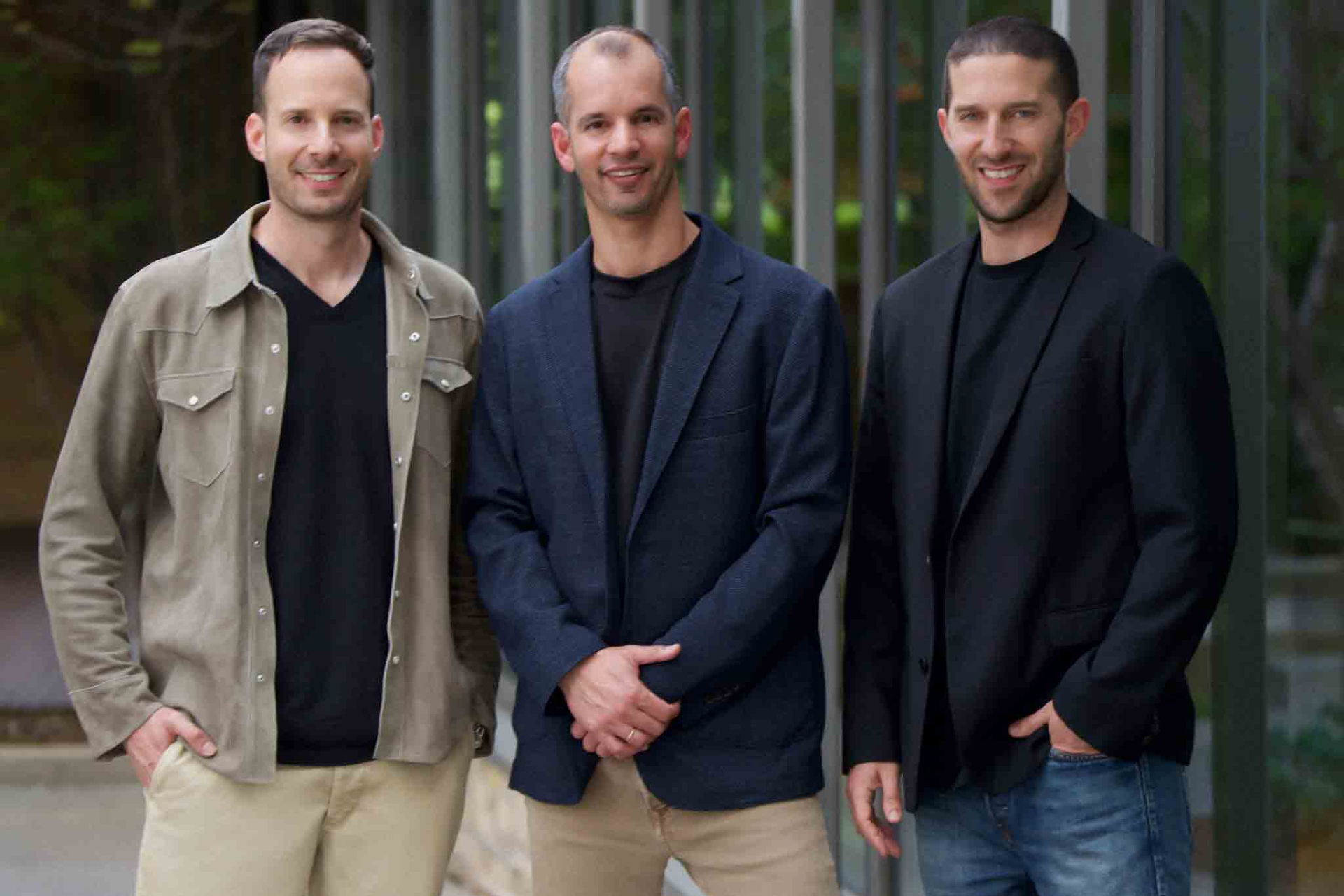
Glow was founded by a team of cybersecurity and engineering veterans with experience at some of the world’s leading technology companies.
The founding team includes:
- Roi Tiger, former Meta Vice President of Engineering and CEO
- Omer Singer, former Head of Cybersecurity Strategy at Snowflake
- Ophir Arie, former Vice President of Research and Development at Claroty
- Arnon Joseph, former Meta engineering leader
The company’s leadership also includes Emily Heath, former Chief Information Security Officer at United Airlines and DocuSign, who previously served on the board of Wiz before its acquisition by Google.
Their combined experience spans cloud security, enterprise infrastructure, AI systems, and large-scale cybersecurity operations.
AI Models Powering Glow’s Platform
Glow’s security platform combines proprietary software with leading frontier AI models.
The startup currently integrates AI models from:
- Anthropic
- Google Gemini
through Amazon Bedrock, while layering its own security intelligence and enterprise context on top of those models.
According to Glow, this approach improves the accuracy and reliability of AI-generated security decisions while reducing false positives.
Glow Says Early Customers Are Already Seeing Results
Although the company only recently emerged from stealth, Glow says it already serves paying customers across several industries, including:
- Healthcare
- Financial services
- Retail
The startup declined to disclose customer names or deployment numbers but said many implementations span tens of thousands of employee devices.
Glow says its platform has already:
- Prevented malicious npm packages from being installed
- Blocked AI agents attempting to introduce unsafe software
- Identified employee devices with disabled or weakened endpoint protection
- Detected missing endpoint detection and response tools
These capabilities aim to reduce enterprise risk before attacks can escalate.
Competing in a Crowded Cybersecurity Market
Glow enters an industry already dominated by major cybersecurity companies such as:
- CrowdStrike
- Microsoft
- SentinelOne
- Palo Alto Networks
However, CEO Roi Tiger believes traditional endpoint protection products primarily focus on detecting attacks after they begin.
Glow instead positions itself as a preventative AI security platform built specifically for the era of autonomous AI agents and AI-powered software development.
The company believes enterprises need visibility not only into malware but also into the rapidly growing number of AI tools employees are using every day.
Growing Team Focused on Enterprise AI Security
Glow currently employs nearly 100 people, with approximately 70% based in Israel and the remainder working in the United States.
The startup plans to continue expanding as organizations increasingly seek AI-native security solutions capable of protecting modern enterprise environments.
Whether AI-first endpoint security becomes its own cybersecurity category remains to be seen, but Glow is betting that enterprises will need new security architectures as AI becomes deeply embedded in everyday business operations.
Related posts:
 Anthropic Copyright Settlement: 7 Shocking Facts Behind the Historic $1.5 Billion AI Lawsuit
  The AI Race Is Changing: Why Anthropic Is Winning And Google May Dominate
  Telkom Commits R100 Million to Launch AI Institute for South Africa
  GPT-5.6 Sol Launches as OpenAI’s Most Powerful AI Yet, Challenging Claude Fable 5 at One-Third the Cost
  Master Power Technologies Customer Experience Centre: 7 Major Ways It Will Transform Africa’s Data Centre Industry