EOCO Investigation Renews Focus on Delayed Opening of Ghana’s US$10.15m Weija Children’s Hospital
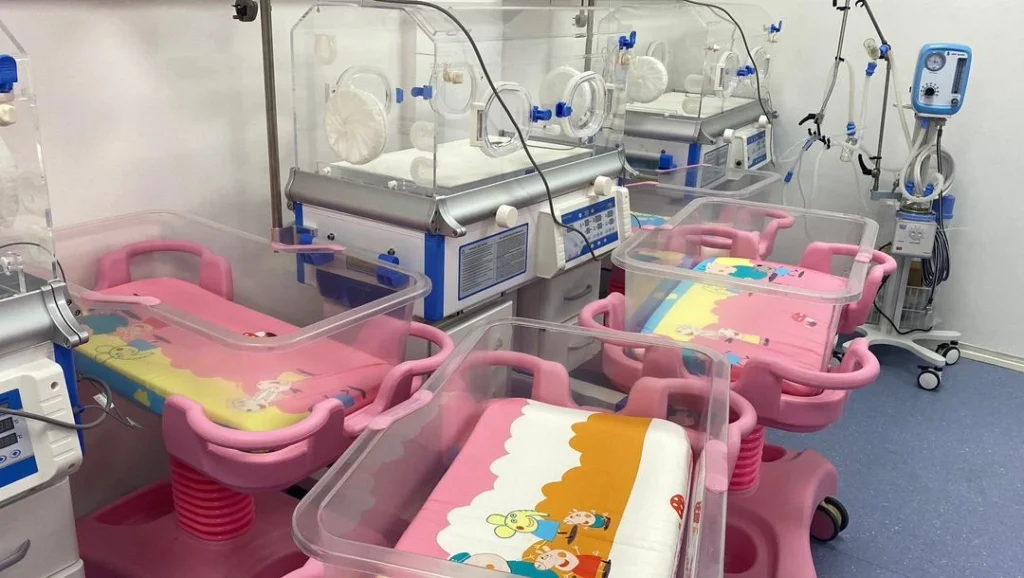
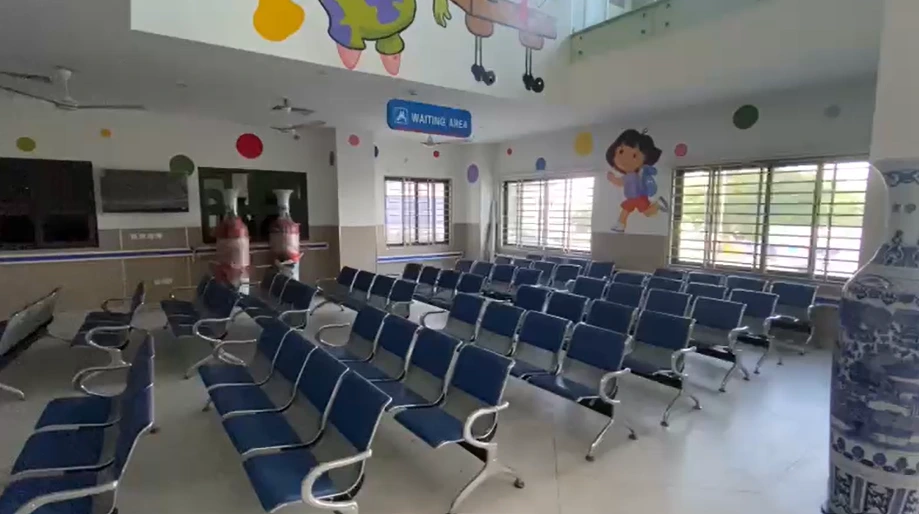
A wide view of the Weija Children's Hospital, a 120-bed specialist paediatric facility in Greater Accra that has become the focus of renewed public attention following an EOCO investigation and continued delays in opening.

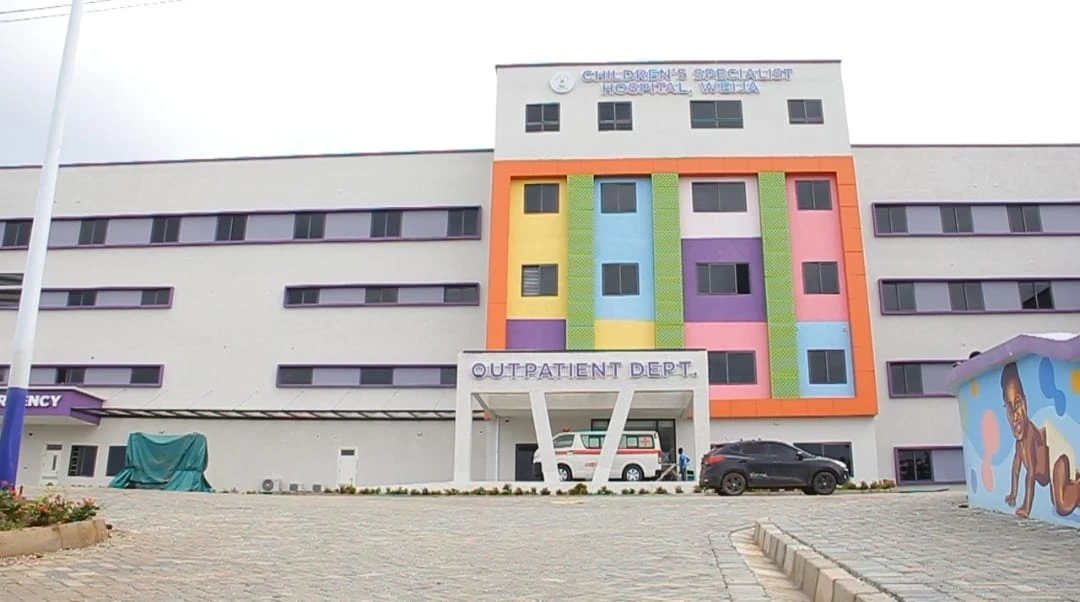

Newly reviewed World Bank documents show the Weija Children’s Hospital faced years of payment delays, incomplete works and outstanding operational requirements before investigators launched a procurement-related probe.
ACCRA, Ghana – The Economic and Organised Crime Office’s (EOCO) investigation into procurement-related issues surrounding Ghana’s delayed Weija Children’s Hospital has renewed scrutiny of a project that independent World Bank records show has faced years of funding delays, incomplete construction works and operational challenges.
The investigation comes as the 120-bed specialist children’s hospital, constructed under the World Bank-supported COVID-19 Emergency Preparedness and Response Project, remains unopened despite repeated calls from health officials, residents and international partners for it to begin serving patients. The project, valued at approximately US$10.15 million, was designed to strengthen specialist paediatric healthcare capacity in Greater Accra and reduce pressure on existing referral facilities.
World Bank documents reveal longstanding implementation challenges
Recently reviewed World Bank supervision reports indicate that delays affecting the hospital predate the current investigation. A supervision mission conducted in July 2024 reported that the project had reached about 70 per cent completion while identifying delayed payment certificates issued to contractors as a recurring implementation challenge affecting construction progress. The report also instructed the Ministry of Health and Ministry of Finance to process outstanding payments linked to the project.
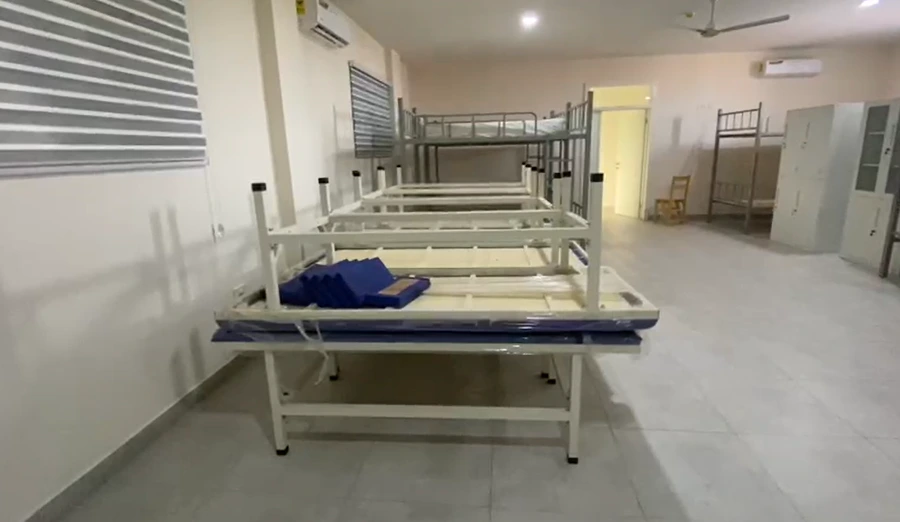
A subsequent World Bank implementation support mission in March 2025 assessed the hospital at approximately 91 per cent completion but concluded that several important activities remained unfinished before the facility could safely open.
These included final civil works, installation and testing of medical equipment, fire protection systems, emergency signage, environmental and social safeguard requirements, power protection systems, staff deployment, commissioning and operational readiness. The documentation indicates that delayed government payment certificates continued to feature among the implementation challenges identified during the supervision process.

Investigation separate from operational requirements
While EOCO’s current investigation reportedly focuses on alleged procurement irregularities connected with the project, the World Bank documents indicate that the hospital’s delayed opening has resulted from a broader combination of financial, construction and operational factors. There is currently no public indication that all of the documented implementation challenges identified by the World Bank are directly connected to the ongoing investigation. Maintaining that distinction is important because criminal investigations concern potential legal wrongdoing, whereas project implementation reports assess construction progress, financing and operational readiness.
Calls to open the hospital
The World Bank has continued to press for the hospital’s operationalisation. In a statement released through the Ghana News Agency, the institution urged the Government of Ghana to complete outstanding requirements and open the hospital as quickly as possible.
The Bank said the Government remained responsible for completing remaining environmental and social safeguard obligations, assigning staff, financing activities not covered under International Development Association funding and ensuring the hospital was fully operational before opening to the public. Earlier this year, Weija-Gbawe Member of Parliament Jerry Ahmed Shaib also called on the Ministry of Health to commission the facility, while residents demonstrated over continuing delays in bringing the hospital into service. The Ministry has previously stated that it was working towards operationalising the facility.

Why the project matters
Once commissioned, the Weija Children’s Hospital is expected to become one of Ghana’s major specialist paediatric referral centres. Health officials say the facility should expand access to specialised treatment for children, reduce pressure on existing hospitals and improve healthcare outcomes for families across Greater Accra and neighbouring regions. For that reason, the project’s continued delay has attracted growing public attention beyond the current investigation, raising broader questions about the delivery of major publicly funded health infrastructure.
Investigation continues
EOCO has not publicly released full details of its investigation, and any allegations remain subject to investigation. At the time of publication, no court had determined criminal liability in relation to the procurement matters reportedly under examination. The investigation now runs alongside renewed pressure on the Government to complete the remaining operational requirements identified by the World Bank and finally open a hospital intended to strengthen Ghana’s specialist healthcare system.
Why This Matters
Beyond the immediate investigation, the Weija Children’s Hospital project raises broader questions about public infrastructure delivery, accountability and access to healthcare services in Ghana.
Why This Matters
The Weija Children’s Hospital story is no longer solely about an investigation. It highlights the wider challenges of delivering major public infrastructure projects while ensuring transparency, accountability and value for public investment.
It also reflects the continuing challenge of balancing financial oversight with timely service delivery, particularly where completed public facilities remain unavailable to the communities they were intended to serve.
For policymakers, health professionals and taxpayers alike, the case underscores the importance of effective project governance, robust procurement oversight and ensuring that completed healthcare infrastructure begins delivering clinical services without unnecessary delay.
Related posts:
 KATH CEO Suspended After Emergency Admissions Controversy
  KATH Doctors Begin Indefinite Strike Over CEO Suspension as Hospital Crisis Deepens
  GMA Backs KATH Doctors’ Strike, Demands CEO’s Reinstatement Within Three Days
  Questions Remain After Suspected Taxi Hijacker Dies Following Accra Crash
  Police Arrest Convicted Fraudster Eric Afoakwa While Attempting to Leave Ghana