Mahama backs airport crackdown on workers soliciting money from passengers
President John Mahama has backed a crackdown on airport workers soliciting money from passengers. GACL has already removed workers and introduced mystery shoppers and tougher sanctions.



President John Dramani Mahama says airport workers who solicit or beg visitors for tips damage Ghana’s image, backing tougher enforcement after workers were removed over complaints involving unofficial payments. Nukunya examines what authorities are doing and what passengers need to know.
ACCRA, Ghana – President John Dramani Mahama has backed tougher action against workers who solicit money from passengers at Accra International Airport, warning that the practice damages Ghana’s image and undermines efforts to improve the experience of travellers.
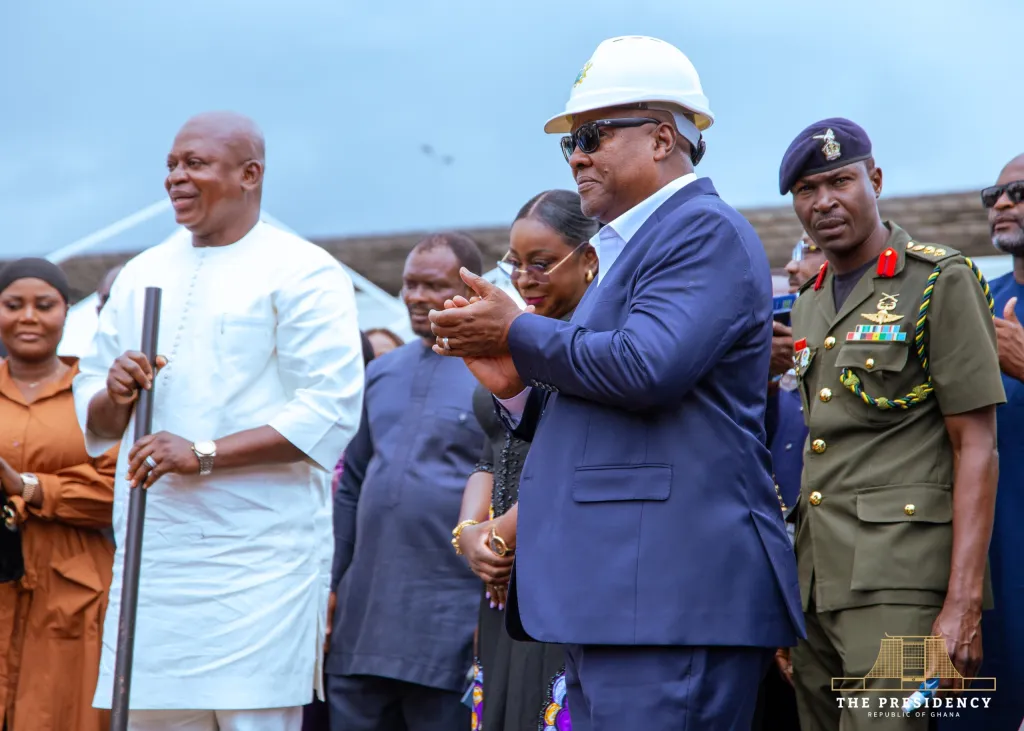
Mahama said institutions operating at the airport were right to take a firm stance against workers who solicit or beg visitors for tips. He made the remarks on Thursday, 27 August, during the sod-cutting ceremony for a new multi-tiered car park and airport hotels complex.
“I’m happy that the Ghana Airports Company Limited and the Civil Aviation Authority and other institutions working at the airport are taking a tough stance against soliciting and begging visitors for tips.”
Mahama added that the practice “reflects very badly on our country”.
The intervention comes amid a broader campaign by the Ghana Airports Company Limited, GACL, against solicitation and alleged extortion involving personnel working across Ghana’s airports. That campaign has already resulted in workers being removed from the airport environment and the introduction of undercover monitoring and a dedicated channel through which passengers can report suspected misconduct.
The distinction between an optional tip and an unofficial payment is important.
A passenger voluntarily rewarding good service is different from an airport worker asking for money while carrying out an official duty or charging more than an approved fee. For travellers unfamiliar with Ghana’s procedures, however, distinguishing between an official charge and an improper request can be difficult.
That is why the crackdown matters beyond individual disciplinary cases.
Mahama says airport encounters shape Ghana’s image
Mahama placed the issue within a broader argument about service standards. He said every institution and worker operating at the airport contributes to the impression visitors form of Ghana.
“The welcome at immigration, the efficiency of baggage handling, the cleanliness of our facilities, the management of traffic and the courtesy of service providers all shape the visitors’ first and last impressions of our country,” he said.
He called for professionalism, discipline and hospitality across the aviation sector.
The President’s argument effectively places service quality alongside physical infrastructure as part of Ghana’s airport modernisation effort. That is particularly relevant because his remarks came at the launch of another major infrastructure project at the airport.

Airport authorities had already begun taking action
GACL’s enforcement campaign predates President Mahama’s intervention. Two cases in August show how complaints from passengers have led to action against airport personnel.
Two workers removed
GACL Managing Director Yvonne Nana Afriyie Opare said two car park workers were removed after complaints that they had asked passengers for money.
Repeated reports from travellers helped the company identify those involved.
Two officers barred after alleged overcharging
GACL said a foreign passport holder was charged US$40 for a Yellow Fever Card when the approved fee was US$20.
The officers’ airport identification cards were withdrawn and deactivated.
A tip and an unauthorised charge are not the same thing
Requests for tips, begging and alleged overcharging can all undermine passenger confidence, but they should not be reported as though they are identical conduct.
Mystery shoppers and tougher sanctions introduced
Following a high-level stakeholder meeting on 5 August, airport authorities announced measures extending beyond individual disciplinary cases.
Mystery shoppers
Undercover individuals can monitor service delivery and identify personnel involved in improper demands for money.
Tougher sanctions
Personnel found culpable could lose permission to work at airports managed by GACL.
Passenger reporting
A dedicated reporting mechanism gives travellers a route for flagging suspicious conduct.
Passengers encounter personnel from multiple agencies and businesses, including immigration, customs, police, Port Health, airlines, ground handlers, security providers and concessionaires.
A new airport complex is coming
Mahama made his comments while launching a major expansion at Accra International Airport.
The wider project includes hotel, commercial and passenger facilities intended to increase capacity and improve the airport experience.
What passengers can see
Terminals, parking facilities, hotels, technology and commercial infrastructure.
What passengers experience
Baggage delivery, clear procedures, staff conduct and confidence that every requested payment is legitimate.
Infrastructure and service culture are two parts of the same airport experience.
The real measure is whether the behaviour declines
Workers removed
Airport access withdrawn
Mystery shopping introduced
Reporting mechanism established
Presidential backing
A crackdown should ultimately be judged not by the number of people punished, but by whether passengers increasingly move through Ghana’s airports without encountering requests for unofficial payments.
An airport is also a test of institutional trust
The significance of Mahama’s intervention goes beyond tipping etiquette.
An international airport places travellers in an environment where they are required to trust institutions.
Many international visitors will not know Ghana’s procedures well enough to recognise immediately when a request falls outside them. That creates an imbalance.
An employee wearing identification and operating inside a controlled airport environment can appear to possess official authority even when a request for money is unofficial.
The Port Health case demonstrates why that distinction matters. According to GACL, the passenger was charged US$40 for something whose approved fee was US$20.
Not merely new terminals, parking facilities or hotels.
Passengers should understand the process, official charges should be transparent, and receiving the service to which a traveller is entitled should not depend on an unofficial payment.GACL has moved beyond warnings by introducing surveillance, sanctions and passenger reporting.
Related posts:
 Ghana Parliament Passes Human Sexual Rights and Family Values Bill
  Mahama Calls for Renewed Pan-African Unity and Reparations Agenda During UK Visit
  Diaspora Affairs Office Backs New Volunteerism Initiative to Harness Ghanaian Talent Abroad
  Ghana moves nearly 900 citizens to safe havens ahead of South Africa protests
  Mahama urges Ken Ofori-Atta to return as Ghana pursues extradition process