
Ebola Cases Nearly Double in DR Congo as WHO Chief Visits Outbreak Epicentre


Five patients recover from the deadly virus, but health officials warn the outbreak is accelerating in eastern Congo and spreading across borders
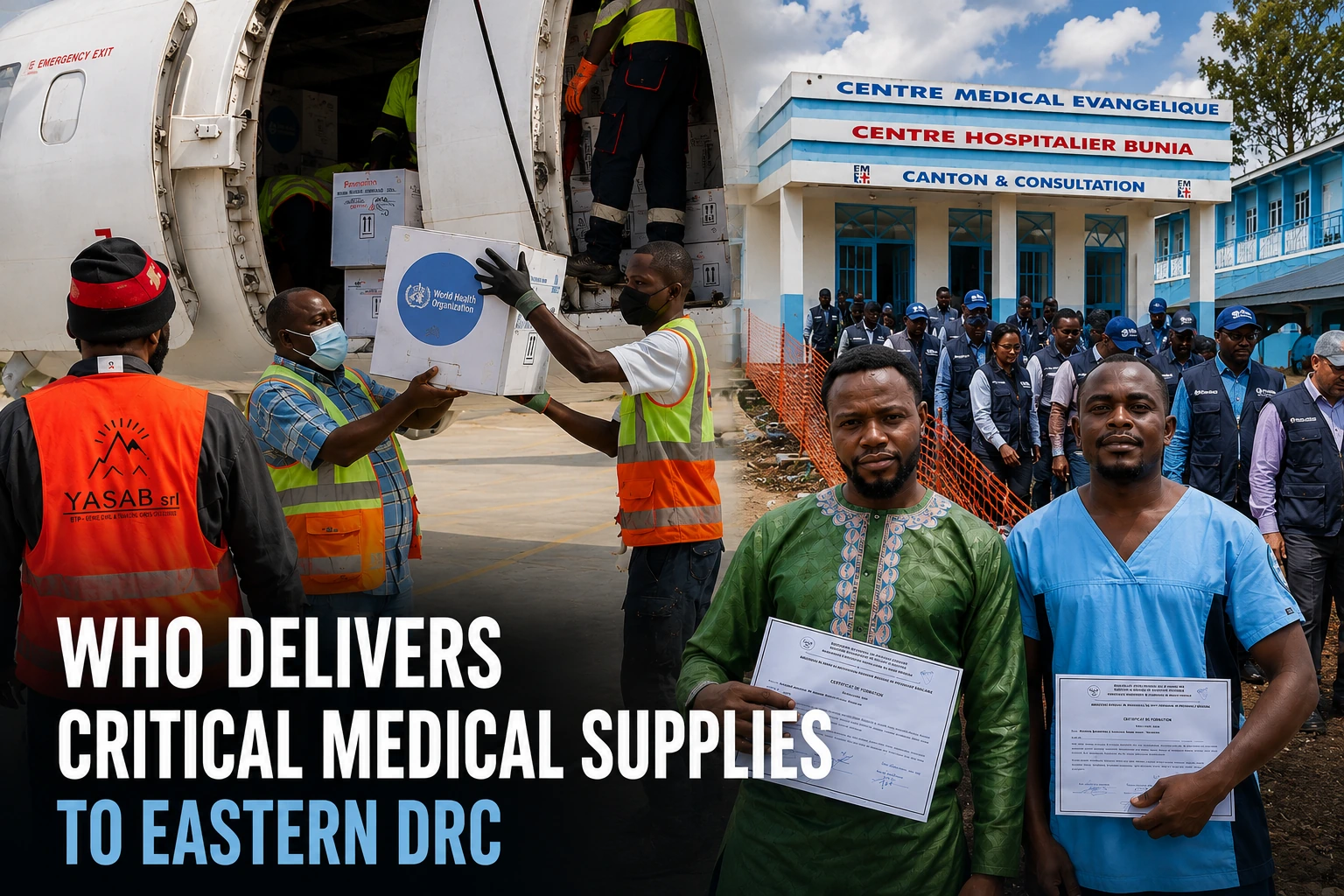
Five patients have recovered from Ebola in the eastern Democratic Republic of Congo, but health officials warn the outbreak is accelerating as confirmed cases rise and the WHO intensifies its response.
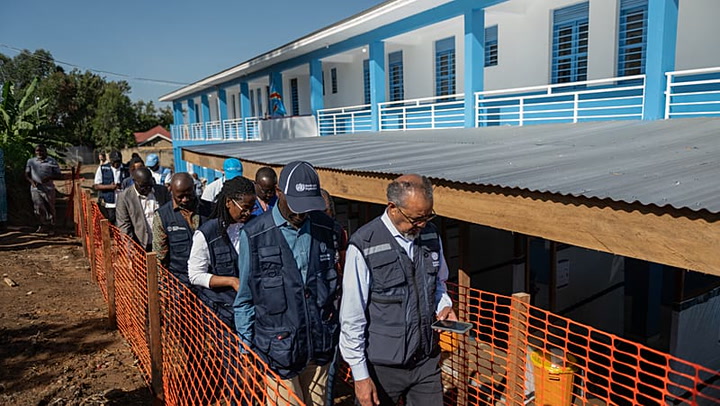
BUNIA, Democratic Republic of Congo — Confirmed Ebola cases in the eastern Democratic Republic of Congo (DRC) have risen sharply in recent days as World Health Organization (WHO) Director-General Tedros Adhanom Ghebreyesus visited the outbreak epicentre, while health officials reported the first five recoveries from the disease. The outbreak, caused by the rare Bundibugyo strain of the Ebola virus, has emerged as one of Africa’s most serious public health emergencies. WHO and Congolese health authorities say confirmed cases have increased rapidly, with hundreds of suspected infections under investigation across eastern Congo and neighbouring Uganda. The WHO has classified the outbreak as a global health emergency, citing its rapid spread, growing geographical reach and cross-border transmission risks. Tedros travelled to Bunia, the capital of Ituri Province and the centre of the outbreak, where he formally opened a new Ebola treatment centre and met healthcare workers, survivors and local leaders involved in the response effort.
Recoveries Offer Rare Hope
Despite growing concern over rising infections, health officials reported encouraging signs that some patients are surviving the disease.
Four nurses who contracted Ebola were discharged from hospital in Bunia after making full recoveries. They joined a laboratory worker who had previously been declared free of the virus, bringing the total number of confirmed recoveries to five. The recoveries are particularly significant because the Bundibugyo strain currently has no approved vaccine or licensed treatment.
“More recoveries are expected, especially when people are diagnosed early and able to access care,” WHO said in an update. Tedros said the recoveries demonstrated that Ebola is not always fatal if patients receive timely medical care. “Even without vaccines or specific therapeutics, people can survive Ebola disease caused by the Bundibugyo virus if they receive timely healthcare and seek treatment as soon as symptoms appear,” he said. One of the recovered nurses, Ezo Étienne, described the emotional toll of the disease.
“We were really demoralised because we knew at some point we were going to die,” he said after leaving hospital. Another survivor, Baraka Bulambula, told Associated Press that recovering from Ebola brought immense relief after fears that he might not survive. “Being able to come out of this alive is an immense source of happiness,” he said.
A Dangerous Outbreak With No Approved Vaccine
The current outbreak is caused by the Bundibugyo variant of Ebola, one of the rarer strains of the virus and one for which there is currently no licensed vaccine or approved treatment.
WHO officials say several experimental therapies and vaccine candidates are being prioritised for clinical evaluation, but none are yet available for widespread deployment. Candidate treatments include monoclonal antibodies and antiviral medicines currently undergoing further assessment.
Health experts warn that Bundibugyo Ebola has historically recorded fatality rates ranging from 30% to 50%, making early detection and treatment critical. This is the Democratic Republic of Congo’s 17th recorded Ebola outbreak since the virus was first identified in the country in 1976.
Conflict and Distrust Hamper Response
Efforts to contain the outbreak have been complicated by decades of insecurity in eastern Congo, where armed groups continue to operate across affected regions. Doctors Without Borders (MSF) has warned that the virus is spreading faster than the response effort despite improvements in testing and treatment capacity. The organisation has called for an expansion of laboratory testing, increased deployment of aid workers and improved access to medical supplies.
Health workers have also faced hostility linked to misinformation, fear and tensions surrounding traditional burial practices. Authorities reported attacks on health facilities during the outbreak, further complicating containment efforts. Tedros stressed that community trust would be essential to ending transmission.
“If you come to health facilities when you have symptoms, you can get the support and recover, so the key is to come forward as early as possible,” he said.
Regional and Global Concerns
The outbreak has already crossed international borders.
Uganda has reported infections linked to the outbreak, prompting health authorities across East Africa to increase surveillance and preparedness measures. WHO officials have warned that ongoing cross-border transmission remains one of the most significant risks facing the response.
The agency says the humanitarian situation in eastern Congo presents additional challenges. More than one million people require assistance in Ituri Province alone, while ongoing conflict has complicated efforts to track cases and provide treatment.
International support is increasing. WHO has opened a new treatment facility in Bunia, expanded surveillance programmes and accelerated research into potential treatments and vaccines. Governments and aid agencies have also supplied emergency funding, medical equipment and technical support.
Why This Matters
The Ebola outbreak in eastern Congo represents one of the most significant infectious disease emergencies currently facing Africa.
Unlike previous outbreaks, the current crisis involves a rare strain with no approved vaccine, is unfolding in a conflict-affected region and has already spread beyond national borders. Public health experts warn that failure to contain the virus could increase risks across the wider region.
For now, the recovery of five patients offers a measure of hope. But health officials caution that the outbreak remains volatile and that rapid action, community cooperation and international support will be essential to bringing it under control.
Reporting by Edem Hodasi
Source: WHO, UN News, Associated Press, Reuters, BBC News and official statements from Congolese health authorities.
Related posts:
 DR Congo Health Workers Battle Ebola Outbreak Amid Equipment Shortages and Security Risks
  Ebola Outbreak Passes 530 Cases as Africa Races to Contain Rare Strain With No Approved Vaccine WHO Warns DR Congo Ebola Outbreak May Be Spreading Faster as Death Toll Hits 131
  DR Congo Ebola outbreak grows as Oxford scientists fast-track vaccine
  Africa’s drought crisis intensifies as food insecurity rises