Mogadishu Tourism: Local Guides Shift the Narrative
Explore the rise of Mogadishu tourism as local guides like Sucdi Abdul Fattah Abdul Khader showcase Somalia's stunning beaches and vibrant culture to the world.


A New Vision for Somali Tourism

This article covers mogadishu tourism and what it means for you. “I want the world to see the image of sunrise over the Indian Ocean and golden sands, not just the headlines of war.”
— Sucdi Abdul Fattah Abdul Khader, Local Guide
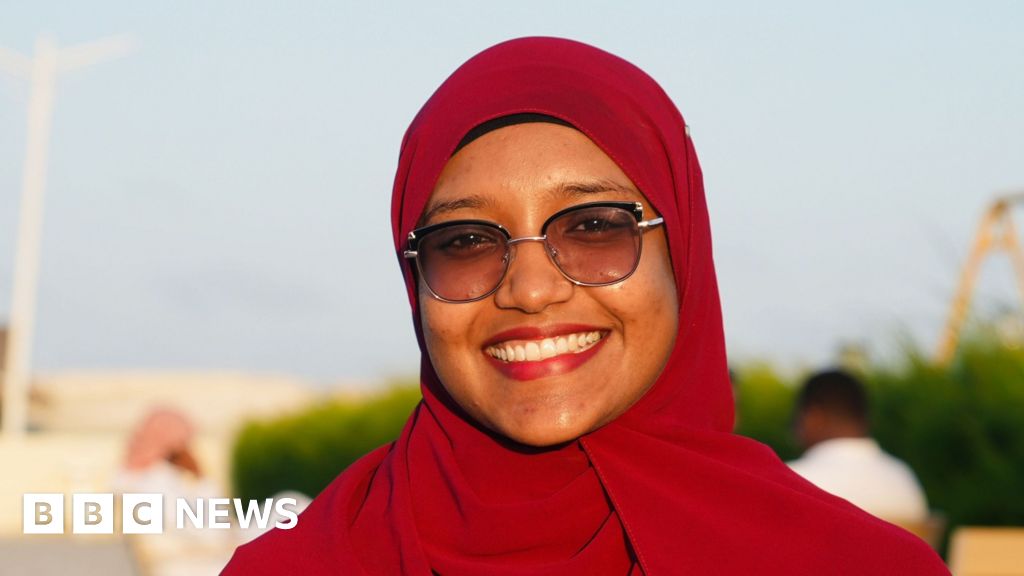
For decades, international perceptions of Mogadishu have been filtered through the lens of instability and strife. However, a new generation of local entrepreneurs is working to redefine the narrative. Leading this movement is Sucdi Abdul Fattah Abdul Khader, a 23-year-old guide who is dedicated to showcasing the natural splendor and cultural richness of the Somali capital. Her mission is to shift the global focus away from conflict and toward the serene, vibrant reality that exists within the city’s coastal borders.
By leveraging the power of visual storytelling and personal tours, Abdul Khader highlights a side of Mogadishu that rarely makes the evening news. She emphasizes the city’s potential as a premier destination for African coastline tourism, focusing on the hospitality of the local population and the breathtaking landscapes that remain largely untouched by mass commercialization. For Abdul Khader, tourism is not just a business; it is a tool for cultural diplomacy and national rebranding.
Exploring Mogadishu Beyond the Headlines
Somalia boasts the longest coastline in mainland Africa, offering vast stretches of golden sands and pristine blue waters that remain largely untapped by the global tourism market.
The typical imagery associated with the Somali capital often involves armed conflict and urban decay, but visitors who step onto the city’s shores find a startlingly different environment. As the sun rises over the vast expanse of the Indian Ocean, the sky transforms into a canvas of deep oranges and pinks. The golden sands of the city’s beaches offer a tranquil retreat where the only sounds are the rhythmic lapping of waves and the rustle of palm fronds in the sea breeze.
This peaceful atmosphere serves as a sharp contrast to media stereotypes. The Mogadishu tourism sector relies heavily on these sensory experiences to win over visitors. Travelers often remark on the unexpected stillness of the coastal areas, where the Indian Ocean breeze provides a natural cooling system for the city. These beauty spots serve as a reminder that Mogadishu is a place of residence, recreation, and natural wonder, far removed from the two-dimensional depictions often found in global headlines.
The Growing Tourism Industry in Somalia
The emergence of professional guiding services marks a significant milestone in the development of Somalia travel. A growing number of local guides are now facilitating tours for both the Somali diaspora and international visitors. These guides provide essential context, taking guests to historic landmarks that tell the story of a city once known as the “Pearl of the Indian Ocean.” This burgeoning industry is providing employment for young Somalis and fostering a sense of pride in local heritage.
The growth of this sector occurs within a complex socio-political framework. As the political landscape in Somalia continues to evolve, the stabilization of local institutions has provided a window of opportunity for small-scale tourism to take root. By navigating the nuances of the city, guides like Abdul Khader ensure that visitors can safely enjoy the architectural remnants of the colonial era alongside modern developments, bridging the gap between Mogadishu’s storied past and its hopeful future.
Highlighting Jazeera Beach and Coastal Assets
Somalia boasts the longest coastline in mainland Africa, a geographic advantage that underpins its tourism potential. Among the various Mogadishu beauty spots, several locations stand out for their aesthetic and recreational value:
- Jazeera Beach: A favorite for both locals and tourists, offering crystal-clear waters and a relaxing environment for swimming and boat trips.
- The Sand Dunes: Located near the coast, these massive dunes are frequently compared to the Sahara, providing a dramatic landscape for photography and exploration.
- Coastal Biodiversity: The pristine waters along the Somali coast are home to diverse marine life, making it a point of interest for ecological enthusiasts.
- Island Excursions: Small islands off the coast of Mogadishu provide secluded spots for day trips, away from the bustle of the city center.
Overcoming the Image of Conflict
Reclaiming Mogadishu’s image is a monumental task, as the city has long been synonymous with suicide attacks and militia activity. Tourism professionals are actively working to counter this by demonstrating the daily normalcy of life in the capital. While security remains a priority, the focus has shifted toward highlighting the resilience of the Somali people and the vibrancy of their markets, cafes, and public spaces.
Efforts to improve safety often involve the integration of modern security and surveillance technology, which helps maintain order in high-traffic areas without intruding on the visitor experience. By creating safe corridors for exploration, local guides are proving that Mogadishu can be a destination defined by its beauty rather than its burdens. Every successful tour acts as a testimonial, slowly dismantling the barriers of fear that have historically discouraged international travel to this corner of the Horn of Africa.
Mogadishu Tourism FAQ
- What is the best time of year to visit Mogadishu? The city experiences a tropical climate, but the period between December and March is often preferred for its pleasant weather.
- Is Jazeera Beach safe for international tourists? Yes, Jazeera Beach is a popular and well-monitored area where many locals and visitors gather, especially on weekends.
- What landmarks are included in a typical city tour? Tours often include the ruins of the Mogadishu Cathedral, the Arch of Triumph, the Bakara Market, and the various coastal stretches.
- Why is Somalia’s coastline significant for tourism? As the longest coastline in mainland Africa, it offers unparalleled opportunities for beach-related activities and marine conservation efforts.
Related posts:
 Ghana seeks AU intervention over xenophobic attacks in South Africa
 DR Congo Ebola deaths rise to 447 as WHO launches first treatment trial
 John Mahama Calls for African Union Dialogue on South Africa Xenophobic Attacks
 UK Settlement Overhaul: What Proposed 10-Year Wait Could Mean for Ghanaian Migrants
 Paul Mackenzie Sentencing: Kenyan Cult Leader Faces Court