Iran reviews US peace proposal as Trump signals swift end to the war. | Breaking


Follow Nukunya
Get the latest breaking news and updates from Nukunya.
Iran is expected to respond to a US peace proposal aimed at ending the war, as Washington signals progress in talks while tensions persist across the region.
WASHINGTON/TEHRAN — 7 May 2026 | Iran reviews us peace proposal
Iran reviews US peace proposals, and negotiations have entered a critical phase. Tehran is expected to respond to a US-backed plan aimed at ending the conflict, as both sides signal cautious progress despite ongoing military and political tensions. US officials said discussions over a potential agreement have intensified, with President Donald Trump stating that talks over the past 24 hours had been “very good” and suggesting the war could end quickly. The proposal under consideration is understood to be a preliminary framework that could formally end hostilities while setting the stage for broader negotiations on Iran’s nuclear programme and regional security.
Iran-US peace proposal centres on ceasefire framework
According to officials briefed on the talks, the proposal involves a short memorandum that could initiate a ceasefire and open the way for more detailed negotiations. Key elements reportedly include discussions on lifting US sanctions, reopening the Strait of Hormuz to global shipping, and placing limits on Iran’s nuclear activities. However, several core issues remain unresolved, including long-standing US demands for restrictions on Iran’s missile programme and regional influence. Iranian officials have indicated that the proposal is still under review, with a foreign ministry spokesperson confirming that Tehran will communicate its position through mediators.
Military tensions continue despite diplomacy
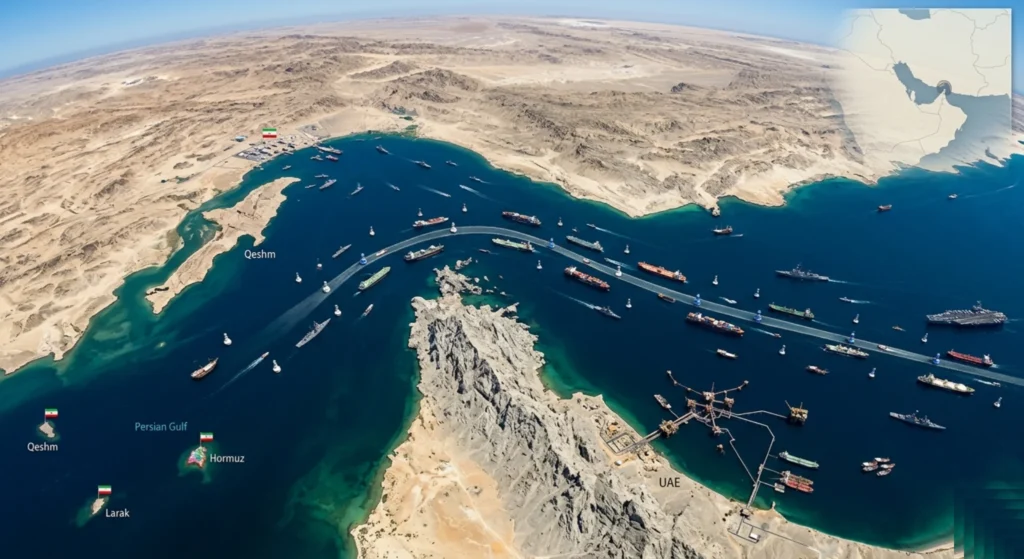
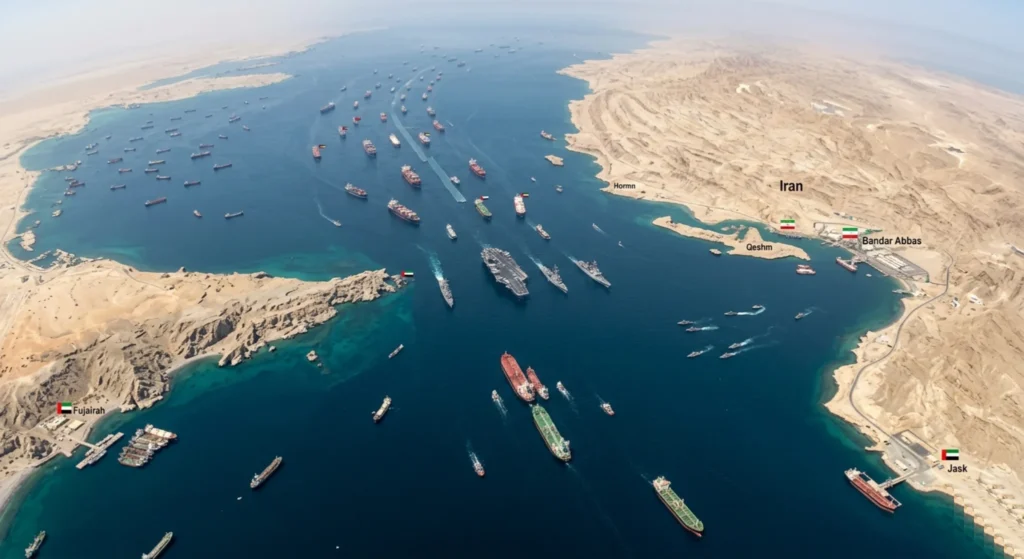
Despite diplomatic efforts, military tensions remain high across the region. US forces recently fired on an Iranian-flagged tanker attempting to reach an Iranian port, enforcing an ongoing blockade. At the same time, Iran has taken steps to assert control over maritime traffic through the Strait of Hormuz, a critical global shipping route. Shipping disruption continues to affect global trade, with around 1,600 vessels reportedly stranded near the strait as companies weigh security risks. The waterway typically handles about one-fifth of global oil and gas flows, making it central to global energy markets.
Human impact: economic pressure and uncertainty
The conflict has had direct consequences for businesses and consumers worldwide, particularly through energy markets. Oil prices have fluctuated sharply during the conflict, rising significantly after the outbreak of hostilities before falling on renewed optimism about a potential deal. Global markets have responded to signs of progress, with equities rising and bond yields easing as investors anticipate a possible resolution. For shipping companies, the situation remains uncertain. Operators face high costs and safety risks, with many unwilling to move vessels through contested waters.
Opposing view: scepticism over US proposal
Iranian officials and lawmakers have expressed scepticism about the US proposal, with some describing it as insufficient or unrealistic. Ebrahim Rezaei, a member of Iran’s parliament, described the plan as “more of an American wish list than a reality”, reflecting concerns that key issues remain unaddressed. He warned that Iran would respond strongly if its conditions were not met, highlighting the risk that negotiations could break down. US officials have also acknowledged that significant gaps remain between the two sides, despite recent progress.
Regional tensions and fragile ceasefires
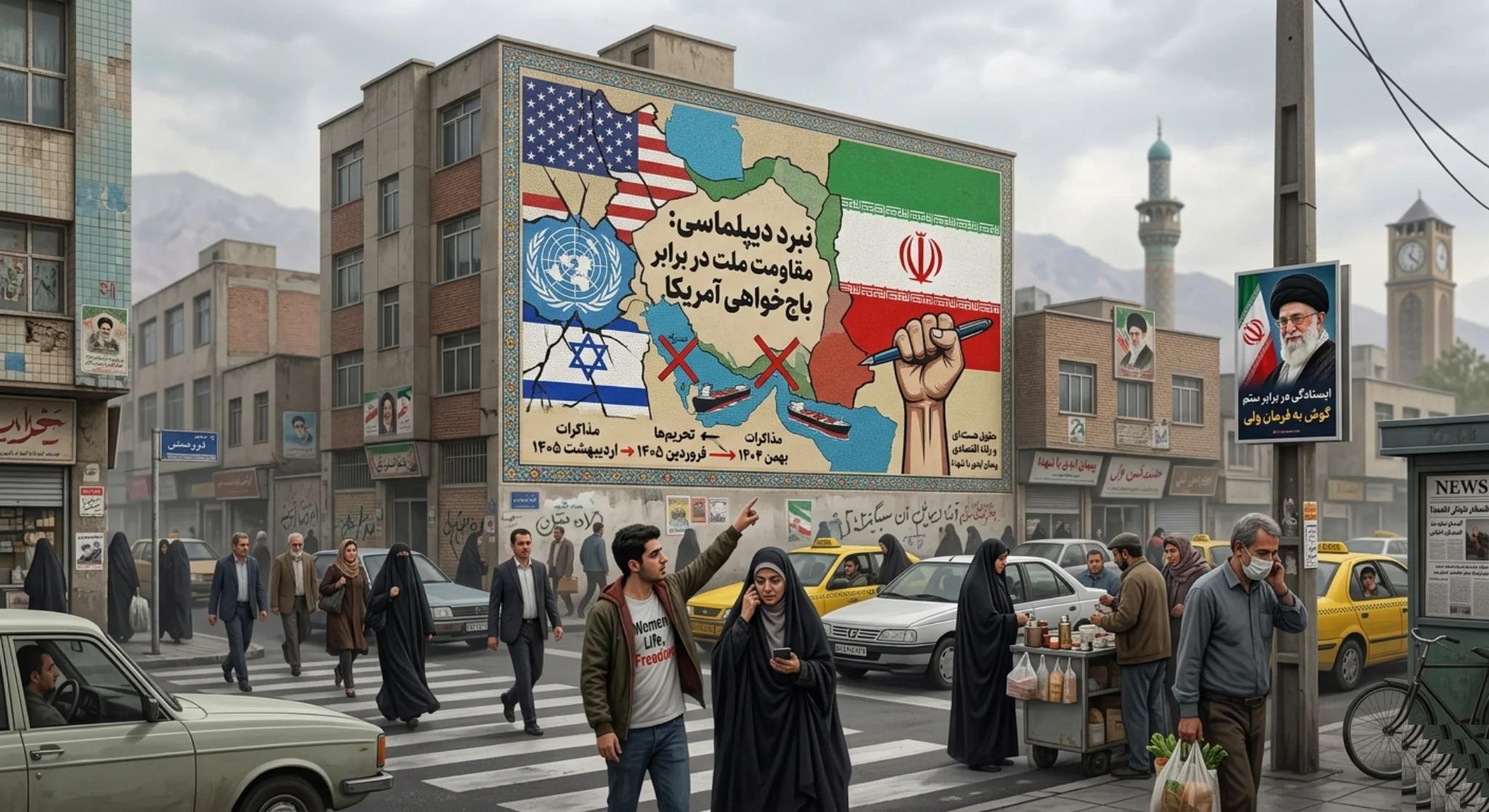
The broader regional situation remains unstable. Israel has continued military operations against Hezbollah targets in Lebanon, despite a ceasefire agreement earlier this year, underlining the fragility of regional stability. At the same time, public demonstrations in Tehran show continued domestic mobilisation, with crowds expressing support for Iran’s leadership and questioning U.S. intentions. These dynamics complicate diplomatic efforts and increase the risk of escalation.
What this means
The Iran-US peace proposal could mark a significant change in a conflict that has disrupted global energy markets and increased geopolitical risk. Historically, disagreements over nuclear development, sanctions, and regional influence have shaped negotiations between the US and Iran. The current proposal aims to address these issues through a phased approach, beginning with a ceasefire framework. Compared with earlier diplomatic efforts, the current talks appear more structured but still face significant obstacles, particularly around enforcement and verification. Reading now: Iran reviews us peace proposal
Globally, the outcome has direct implications for energy security. The Strait of Hormuz remains one of the most critical chokepoints in the world economy, and any disruption has immediate effects on oil prices and supply chains. For policymakers, the challenge lies in balancing short-term de-escalation with long-term strategic goals, including nuclear non-proliferation and regional stability. For businesses and consumers, the impact is already visible through volatile fuel prices and supply uncertainty. The gap between political signalling and operational reality remains significant. While leaders express optimism, ongoing military activity and unresolved demands suggest that they have not yet assured a final agreement. Read more about World News
Sources: US National Security officials; Iranian Foreign Ministry; Reuters reporting; international diplomatic sources.
Additional reporting and analysis by Nukunya News Desk. Read now: Iran reviews us peace proposal
Related posts:
 Iran delays response to US proposal as nuclear programme and Strait of Hormuz emerge as key obstacles
  US pauses $14bn arms sale to Taiwan amid Iran conflict, navy chief says
  King Charles Stresses NATO Alliance in ‘Contested World’ at White House State Dinner with Trump
  Mifepristone access restored by US Supreme Court for now
  DR Congo Ebola outbreak grows as Oxford scientists fast-track vaccine