US-Iran Exchange Fire as Trump Seeks Changes to Proposed Deal


Follow Nukunya
Get the latest breaking news and updates from Nukunya.
Fresh military strikes and diplomatic disagreements cast doubt on efforts to secure a ceasefire and reopen the Strait of Hormuz
WASHINGTON/TEHRAN — The United States and Iran exchanged fresh military strikes over the weekend as negotiations aimed at ending hostilities in the Gulf appeared to stall, raising new questions about the prospects for a ceasefire and the reopening of the strategically vital Strait of Hormuz.
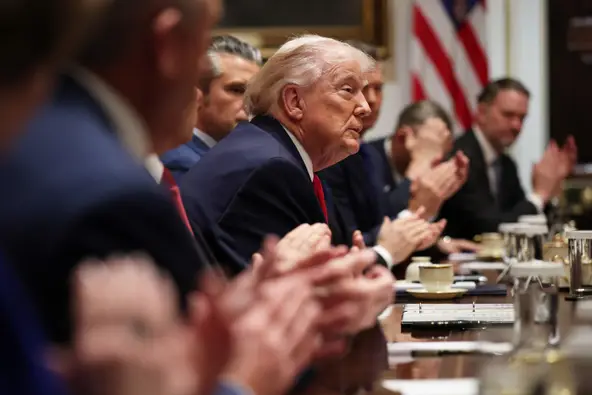
The latest escalation came as US President Donald Trump reportedly sought changes to a proposed agreement that would extend an existing ceasefire, reopen the Strait of Hormuz and pave the way for broader discussions on Iran’s nuclear programme. The renewed violence highlights the fragile state of diplomacy between Washington and Tehran despite repeated assertions from both sides that negotiations remain active.
New Wave of Strikes
The US Central Command (CENTCOM) said it carried out what it described as “self-defence” strikes against Iranian military assets, including radar installations, air-defence systems, a ground control station and drones that Washington said posed a threat to international shipping. According to US officials, the strikes were conducted in response to what Washington characterised as aggressive Iranian actions, including the alleged downing of a US MQ-1 drone operating over international waters.
Iran’s Islamic Revolutionary Guard Corps (IRGC) said it responded by targeting a US-linked airbase allegedly involved in attacks on Iranian infrastructure. Iranian state and semi-official media reported that the operation was carried out in retaliation for recent American strikes. Kuwaiti authorities also reported intercepting missile and drone threats, although they did not provide detailed information on where the interceptions occurred.
Diplomatic Progress Remains Elusive
The military exchanges occurred against the backdrop of ongoing negotiations intended to formalise a longer-term peace arrangement. According to reports, Trump has requested revisions to the latest draft agreement, although US officials indicated the proposed changes are not expected to fundamentally alter the framework under discussion.
Officials familiar with the negotiations told US media that Washington is seeking stronger language concerning Iran’s nuclear commitments and assurances regarding freedom of navigation through the Strait of Hormuz. Iranian officials have expressed scepticism about the latest proposals.
Iranian Parliament Speaker Mohammad Bagher Ghalibaf said no agreement would be accepted unless Tehran’s rights were protected, according to remarks carried by Iranian media. While Trump previously suggested a deal was close to completion, no formal agreement has yet been announced.
Strait of Hormuz at Centre of Dispute
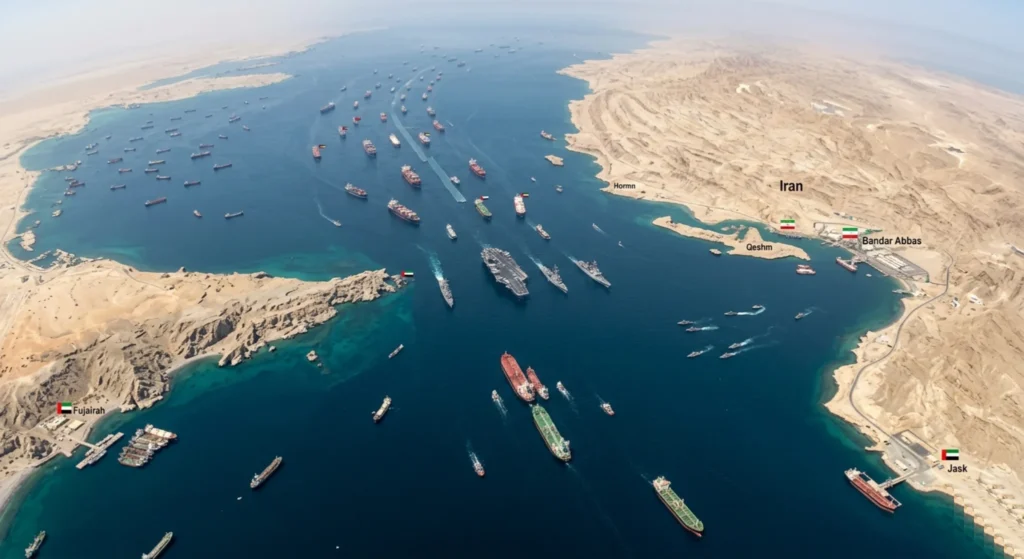
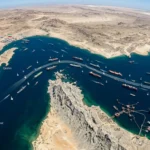
The Strait of Hormuz remains one of the most significant points of contention.
The narrow waterway serves as one of the world’s most important energy corridors, carrying roughly one-fifth of global oil and liquefied natural gas shipments. Any prolonged disruption has the potential to affect global energy markets and fuel prices. The proposed deal reportedly includes provisions for reopening the strait and removing restrictions that have disrupted maritime traffic since the conflict intensified.
However, military activity has continued despite ceasefire discussions. US officials said the Navy remains engaged in operations designed to protect commercial shipping and remove threats to navigation. Iran, meanwhile, maintains that its actions are defensive responses to American military activity in the region.
Economic Stakes Rising
The continued uncertainty is also reverberating through global energy markets. US officials acknowledged that elevated oil prices have contributed to higher fuel costs, while analysts continue to monitor the potential impact of any prolonged disruption to shipping through the Gulf.
The US administration argues that sufficient energy reserves remain available to offset supply pressures in the short term. However, market participants are closely watching negotiations for signs that a breakthrough could restore stability to global trade routes.
What Happens Next?
Negotiators from both sides are expected to continue discussions in the coming days, but the latest exchange of strikes underscores the difficulty of translating diplomatic talks into a lasting settlement.
For now, the conflict remains caught between diplomacy and military escalation, with no guarantee that the current negotiations will succeed.
The outcome could have consequences far beyond the Gulf, affecting global energy markets, regional security and the future of US-Iran relations.
Reporting by Edem Hodasi
Additional sourcing: BBC
Related posts:
 King Charles Stresses NATO Alliance in ‘Contested World’ at White House State Dinner with Trump
  Iran reviews US peace proposal as Trump signals swift end to the war. | Breaking
  US pauses $14bn arms sale to Taiwan amid Iran conflict, navy chief says
  Iran delays response to US proposal as nuclear programme and Strait of Hormuz emerge as key obstacles
  Australia Approves Stronger Mouse Poison as Farmers Battle Growing Rodent Plague