MOBO Awards Founder Kanya King Dies Aged 57, Leaving Lasting Legacy in Black Music

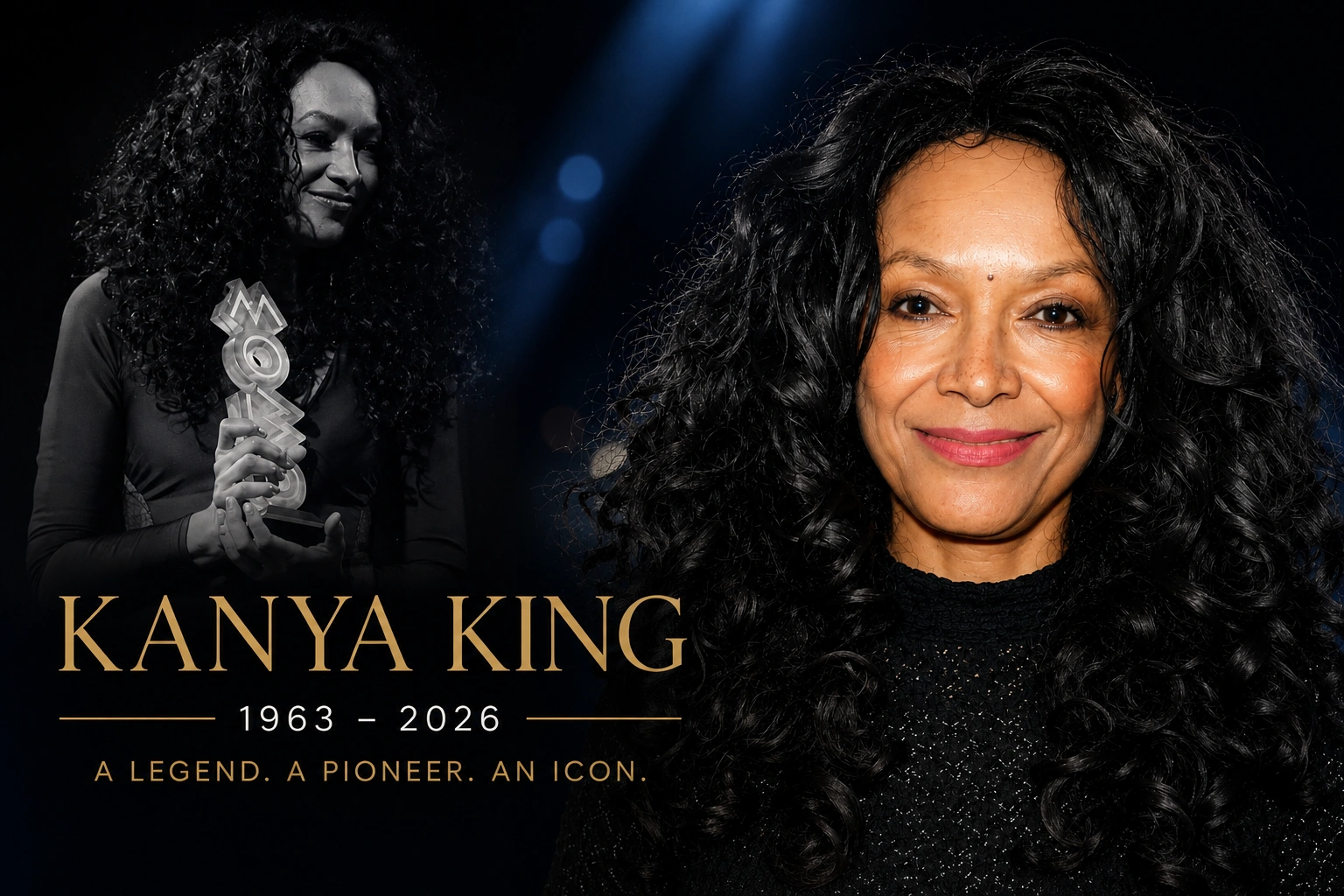

Born to a Ghanaian father and Irish mother, Kanya King transformed the British music industry through the MOBO Awards, creating opportunities for generations of Black artists and helping reshape cultural representation in the UK.
LONDON — Kanya King, the founder of the MOBO Awards whose campaign to recognise Black music helped reshape Britain’s cultural landscape, has died aged 57 after a battle with colon cancer, her family and the organisation announced.
King’s death marks the loss of one of the most influential cultural entrepreneurs in modern British music. Through the Music of Black Origin (MOBO) Awards, she created a platform that elevated Black artists, challenged industry barriers and helped bring genres including R&B, garage, grime and Afrobeats into the mainstream.
Born in London to a Ghanaian father and Irish mother, King became one of the most prominent figures of Ghanaian heritage in British cultural life, building an institution that transformed opportunities for Black musicians in the United Kingdom and beyond. The MOBO Organisation said King died on 3 June following what it described as a courageous battle with cancer. Family members said she faced her illness with determination, faith and resilience.
Building a Platform for Black Music
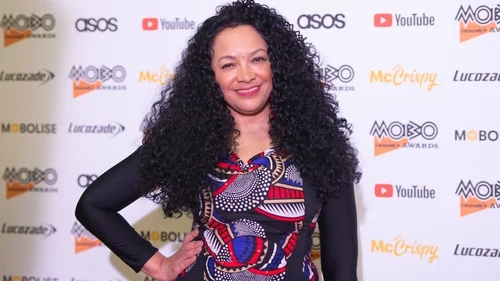
King launched the MOBO Awards in 1996 after identifying what she believed was a significant gap in the British music industry. At the time, many Black artists and music genres received limited recognition from mainstream award ceremonies despite their commercial success and cultural influence. King set out to change that.
She reportedly remortgaged her home to help finance the first awards ceremony, transforming what began as an ambitious idea into one of Britain’s most recognised music institutions. Since its launch, the MOBO Awards have celebrated artists including Stormzy, Dave, Craig David, Central Cee, Little Simz, Amy Winehouse, Usher, Beyoncé and many others, becoming a major fixture of Britain’s cultural calendar.
The awards also played a significant role in legitimising and promoting genres that were often overlooked by mainstream institutions. During the rise of UK garage and grime, the MOBOs provided visibility for artists who would later become some of Britain’s most influential performers.
Influence Beyond Britain
King’s impact extended well beyond the UK music industry. As African music, Afrobeats and Black cultural expression gained international prominence, the MOBO Awards increasingly became a platform connecting artists from Britain, Africa, the Caribbean and the wider diaspora.
For many performers, the awards offered both recognition and visibility at critical stages of their careers. The organisation described King’s work as an act of cultural justice that helped ensure Black music was recognised not merely as entertainment but as an important part of Britain’s cultural identity. Her efforts contributed to broader conversations about representation, inclusion and opportunity across the creative industries.
Tributes from Across the Music Industry
Tributes poured in following news of King’s death.
Actor and producer Idris Elba described her as an inspiration whose dedication to Black music and culture was unmatched. Singer and television presenter Alesha Dixon said King’s influence on the music industry and on countless individuals would endure for generations. Sadiq Khan praised her contribution to London’s cultural life, while UK Culture Secretary Lisa Nandy said she had transformed opportunities for Black artists and helped change British music for the better. Broadcasters, musicians and industry figures also credited King with helping open doors for artists who might otherwise have struggled to gain recognition.
A Legacy of Representation
King often spoke openly about the challenges she faced while establishing the awards and the resistance she encountered from parts of the music industry. Yet she remained committed to ensuring Black artists had a platform where their achievements could be recognised and celebrated.
Her work helped change perceptions about Black music’s place within British culture and created opportunities for generations of performers. For many within Britain’s African and Caribbean communities, King’s success became a symbol of what could be achieved through determination, vision and persistence.
The significance of her legacy extends beyond music. It is reflected in the broader transformation of cultural representation in Britain over the past three decades and in the opportunities created for artists whose talents may otherwise have gone unnoticed.
Final Years
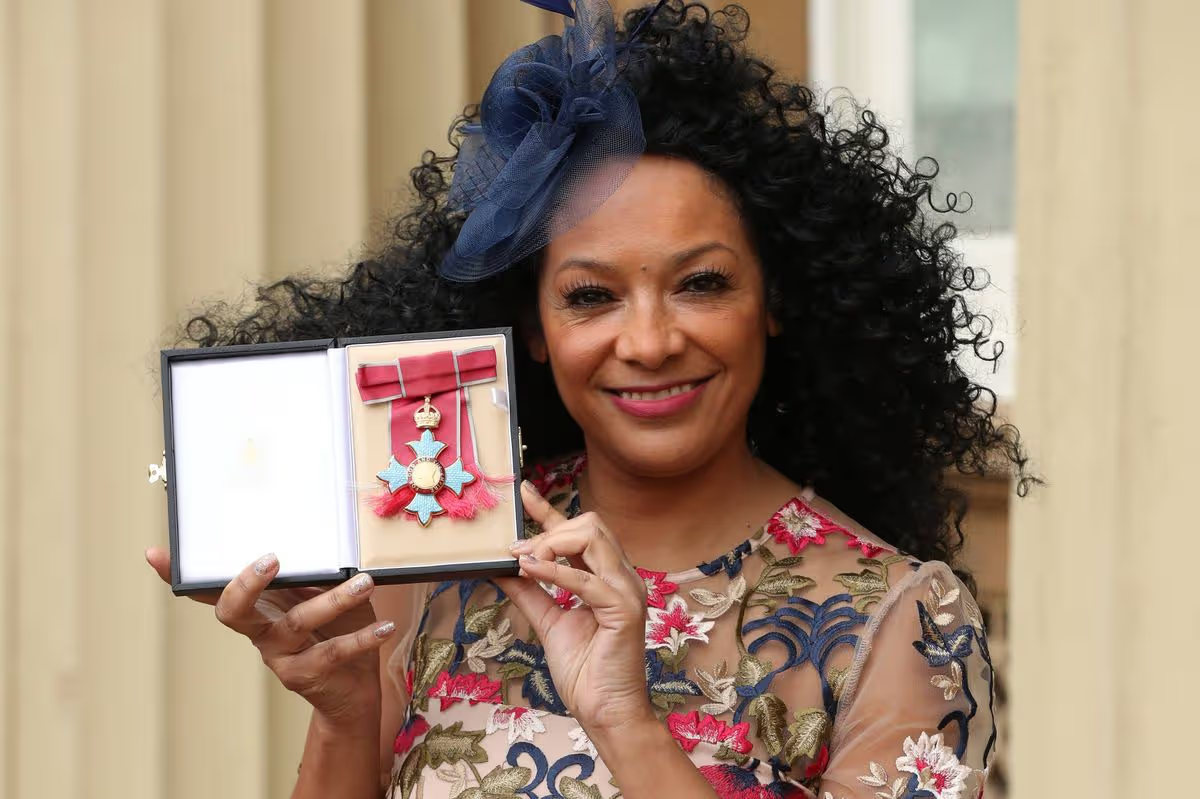
King publicly revealed a bowel cancer diagnosis in 2024 but continued to advocate for artists and creative communities while undergoing treatment. In 2018, she was appointed Commander of the Order of the British Empire (CBE) for services to music and culture. More recently, she received recognition from industry bodies for her contribution to British music and creative industries. She leaves behind a cultural institution that has become one of the most enduring symbols of Black musical achievement in Britain and an influential platform that continues to connect artists and audiences across the diaspora.
Related posts:
 Dr Likee’s London Success Draws Corporate Backing as Ghanaian Comedy Expands Abroad
  Miss Ghana unveils Stacy Amoateng, Okyeame Kwame and Kafui Dey as judges for 69th Miss Ghana auditions
  GoldBod Partners with Shatta Wale and Medikal to Promote Ghana-Made Gold Jewellery Worldwide
  ShattaFest UK Stampede: New Video Shows Fire That Left 23 Injured
  Tema Police Seize 5,039 Suspected Narcotics Parcels, Reject GH¢150,000 Bribe