Ghana Offers Jobs and Compensation as South Africa Evacuation Reaches 637 Citizens


Follow Nukunya
Get the latest breaking news and updates from Nukunya.
The Ghanaian government says it has secured around 200 jobs and will pursue compensation claims for citizens evacuated from South Africa, as the number of returnees brought home under an emergency repatriation programme reaches 637.
ACCRA, Ghana — Ghana says it has secured approximately 200 employment opportunities and is pursuing compensation claims for citizens evacuated from South Africa, as the number of returnees brought home under an emergency repatriation programme rose to 637.
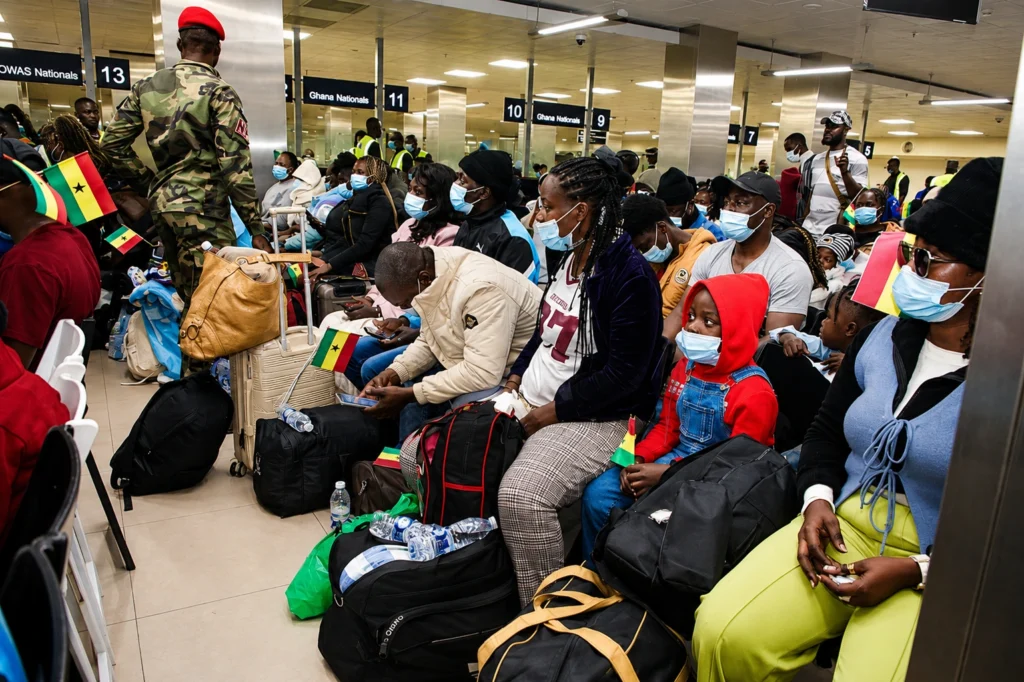
The latest group of 345 evacuees arrived at Kotoka International Airport on Saturday, joining an earlier batch of returnees brought home amid growing concerns over xenophobic attacks and hostility directed at foreign nationals in parts of South Africa. The operation represents one of Ghana’s largest recent emergency repatriation efforts and has attracted attention from other African governments seeking to understand how Ghana organised both the evacuation and post-arrival support for affected citizens.
Government Shifts Focus to Reintegration
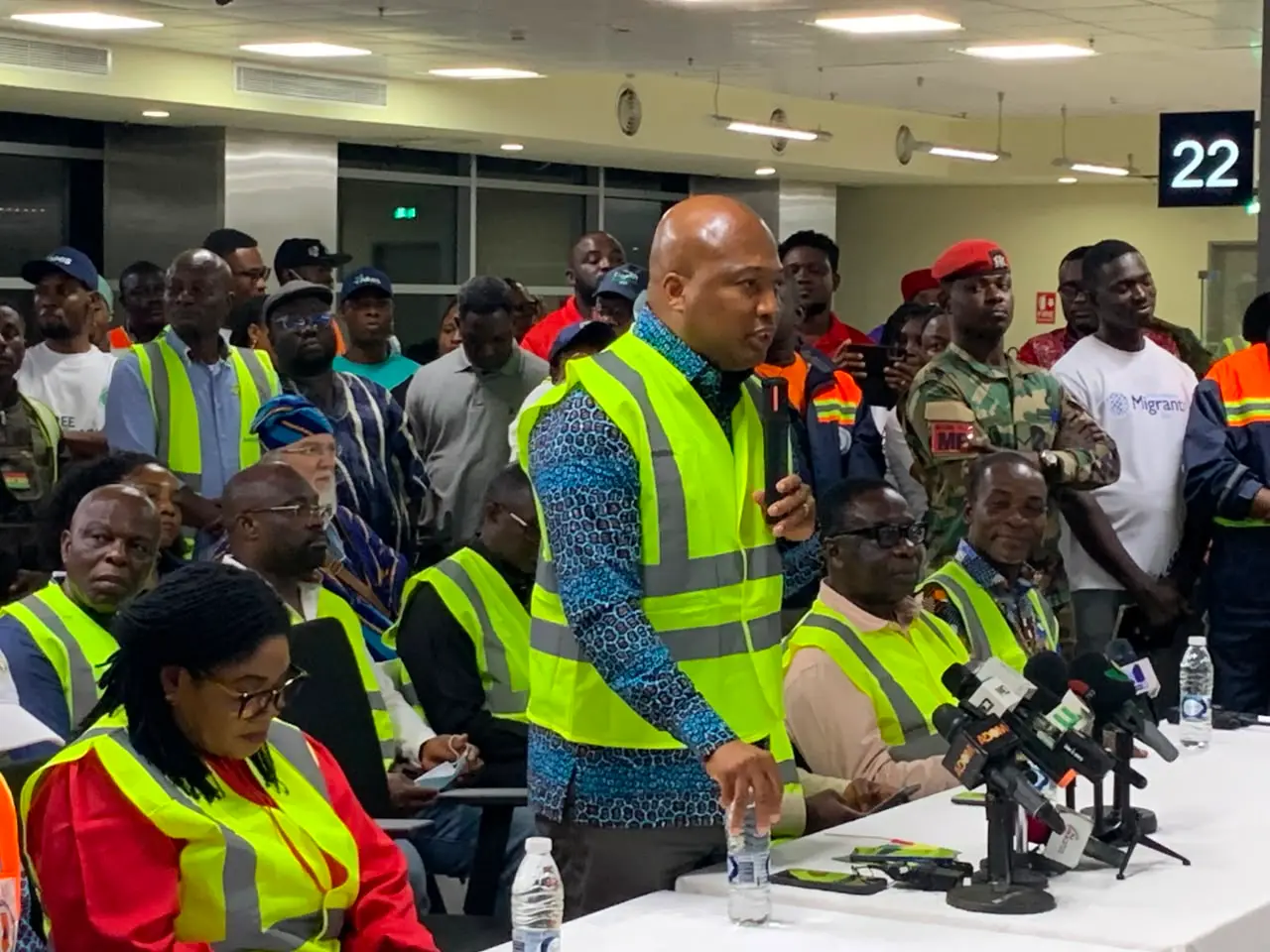
Speaking at Kotoka International Airport, Foreign Affairs Minister Samuel Okudzeto Ablakwa said the government’s responsibility did not end with transporting citizens safely back to Ghana.
According to him, the next phase of the programme will focus on helping returnees rebuild their lives through employment opportunities, financial support and longer-term reintegration measures.
“We are concerned about your full integration,” Mr Ablakwa told the returnees.
“We are going to make sure that those of you who are willing, able and ready to work, we will actively facilitate employment opportunities for you.”
Government officials say approximately 200 job opportunities have already been secured through collaboration with private-sector employers, business leaders and industry groups. The initiative is intended to help returnees regain economic stability after leaving behind jobs, businesses and investments in South Africa.
Compensation Efforts Underway
Beyond employment support, the government says it intends to pursue compensation for citizens who suffered losses during the unrest.
Officials are reportedly documenting claims involving damaged businesses, destroyed property, lost investments and other assets abandoned during the evacuation process.
Mr Ablakwa said Ghana would explore legal and diplomatic channels to seek redress for affected citizens. “We are not going to sit back without making every effort to secure compensation for those who have lost their businesses, shops, assets and investments,” he said. However, it remains unclear how long any compensation process may take or whether claims would ultimately succeed, given the legal and diplomatic complexities involved.
Why Are Ghanaians Returning?
The evacuation programme was launched following reports of xenophobic attacks, intimidation and anti-immigrant hostility affecting foreign nationals in parts of South Africa. South Africa has experienced periodic outbreaks of xenophobic violence over the past two decades, often targeting migrants and business owners from elsewhere on the African continent.
The latest concerns prompted hundreds of Ghanaians to register for evacuation assistance through Ghana’s diplomatic mission and the Ministry of Foreign Affairs. Many returnees are understood to have left behind businesses, homes and years of investment in South Africa, making reintegration one of the most significant challenges facing authorities in the months ahead.
Ghana’s Response Drawing Continental Interest
Mr Ablakwa said Ghana’s response has drawn attention from several African governments. According to the minister, a number of foreign ministers have contacted Ghanaian authorities to learn more about the country’s evacuation strategy and post-arrival support measures. The minister said Ghana’s approach could serve as a useful model for future emergency evacuations involving African citizens facing crises abroad.
The operation has increasingly evolved beyond a rescue mission into a broader reintegration effort focused on employment, welfare and long-term economic recovery.
A Wider Economic Issue
The crisis also highlights the importance of the Ghanaian diaspora to the national economy. Ghanaians living abroad contribute billions of dollars annually through remittances, investments and business activities, making overseas citizens a significant economic and social asset.
The return of hundreds of citizens within a short period therefore presents both humanitarian and economic challenges for policymakers. As authorities continue evacuation and reintegration efforts, attention is likely to focus on how effectively the promised employment opportunities and support programmes are implemented.
For many of the returnees, the journey home marks not only the end of a difficult chapter but also the beginning of rebuilding lives interrupted by unrest far from home.
Related posts:
 Ghana Evacuates 345 More Citizens from South Africa as Other African States Study Rescue Plan
  Nearly 1,000 Ghanaians Repatriated as South Africa Evacuation Operation Concludes
  First group of Ghanaians repatriated from South Africa after migrant protests
  Nearly 300 Ghanaians evacuated from South Africa arrive in Accra amid anti-immigration protests
  Ghana Welcomes First Evacuees From South Africa Amid Xenophobia Fears