The Hidden Dangers of High Blood Pressure: Why Ghana’s Silent Killer Demands Urgent Attention


Follow Nukunya
Get the latest breaking news and updates from Nukunya.
Millions May Be Living with Hypertension Without Knowing It, Health Experts Warn
ACCRA, Ghana — Health experts are warning that high blood pressure, commonly known as hypertension, is emerging as one of Ghana’s most serious public health challenges, with many people unaware they have the condition until life-threatening complications occur.
Often referred to as the “silent killer,” hypertension rarely causes noticeable symptoms in its early stages. As a result, thousands of Ghanaians may be living with dangerously elevated blood pressure levels without seeking medical attention.
Medical professionals say the growing prevalence of hypertension is contributing to rising rates of stroke, heart disease, kidney failure and other non-communicable diseases across the country.
“Many patients only discover they have high blood pressure after suffering a stroke or another serious health event,” said a cardiovascular specialist in Accra. “Regular screening remains one of the most effective ways to detect the condition before complications develop.”
What Is High Blood Pressure?
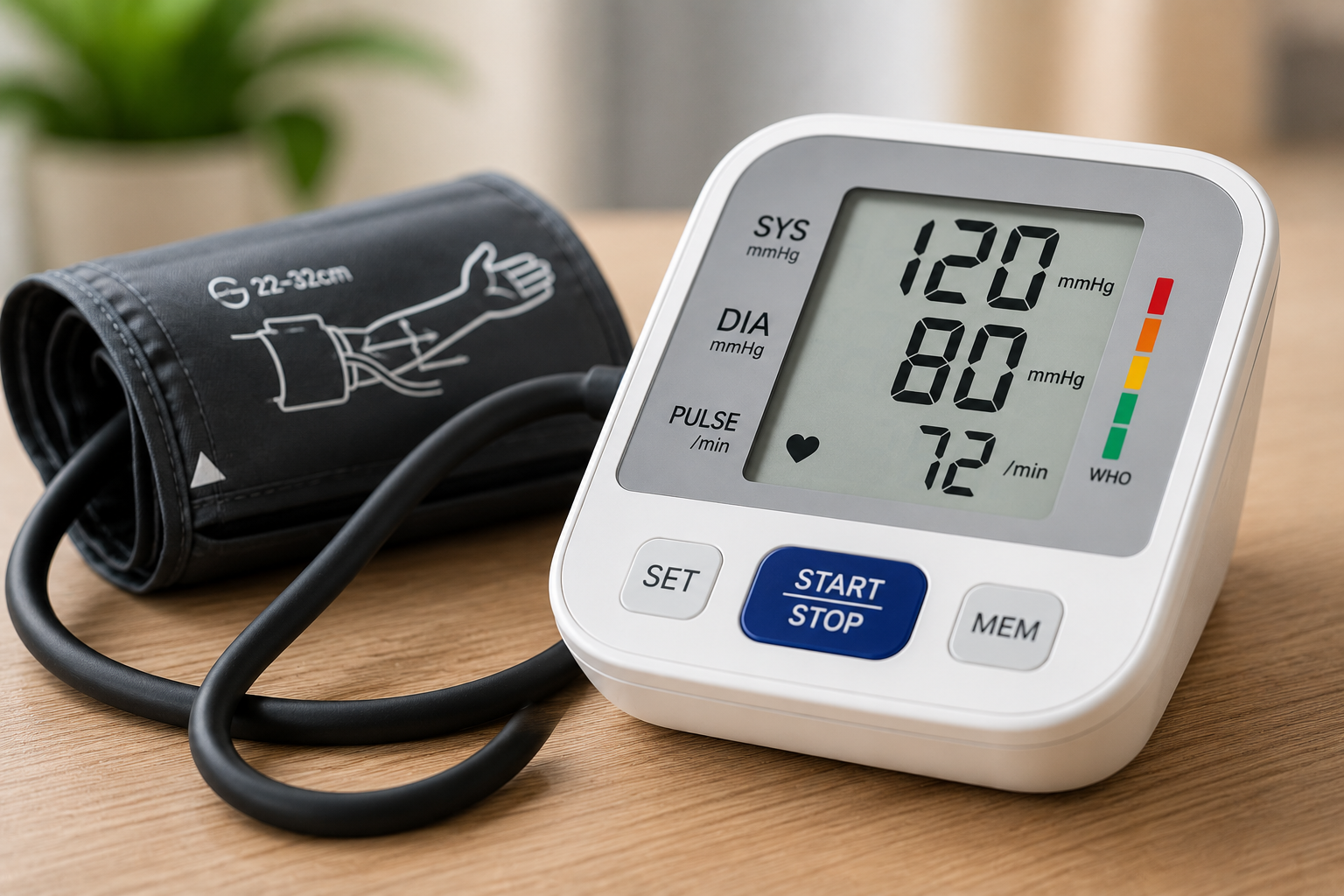
Blood pressure measures the force of blood pushing against the walls of arteries as the heart pumps blood around the body.
When blood pressure remains consistently elevated over time, it places additional strain on blood vessels and vital organs, including the heart, kidneys and brain.
According to health professionals, hypertension develops when blood pressure readings remain above recommended levels for prolonged periods. Factors such as genetics, age, obesity, poor diet, excessive salt intake, lack of exercise, smoking and excessive alcohol consumption can increase the risk.
The condition can affect adults of all ages, although risk generally increases with age.
Why Hypertension Is Called the Silent Killer
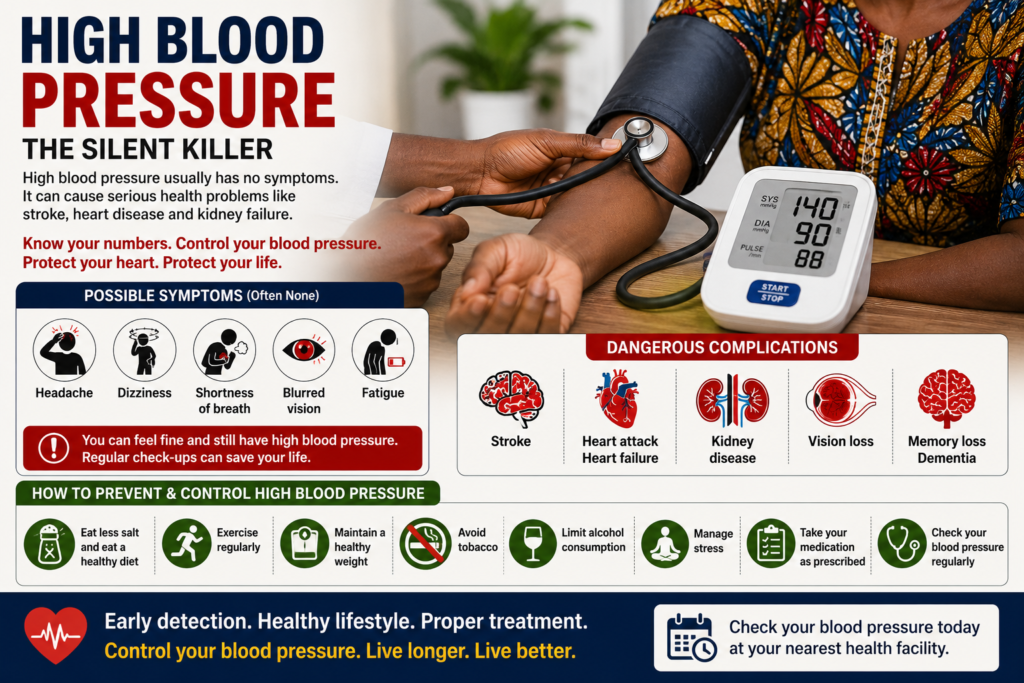
One of the most dangerous aspects of hypertension is that many individuals experience no symptoms.
Unlike infectious diseases that often present obvious warning signs, high blood pressure can quietly damage the body for years.
Some people may occasionally experience headaches, dizziness, shortness of breath or blurred vision, but these symptoms often appear only when blood pressure has already reached dangerous levels.
Health experts stress that feeling healthy does not necessarily mean blood pressure is normal.
“People often assume they would know if something was wrong, but hypertension does not work that way,” said a public health physician. “You can feel completely fine while serious damage is occurring inside the body.”
Increased Risk of Stroke and Heart Disease
The most significant danger associated with uncontrolled hypertension is its impact on the cardiovascular system.
High blood pressure forces the heart to work harder, increasing the likelihood of heart attacks, heart failure and other cardiovascular conditions.
It is also one of the leading causes of stroke, a medical emergency that occurs when blood flow to the brain is interrupted.
Stroke remains a major cause of disability and death in Ghana, with healthcare professionals identifying uncontrolled hypertension as one of the primary contributing factors.
Many stroke survivors face long-term challenges, including paralysis, speech difficulties and reduced independence.
Damage Beyond the Heart
The effects of hypertension extend beyond cardiovascular health.
Medical experts say prolonged high blood pressure can damage blood vessels throughout the body, affecting several vital organs.
The kidneys are particularly vulnerable because they rely on healthy blood vessels to filter waste from the bloodstream. Over time, hypertension can contribute to chronic kidney disease and, in severe cases, kidney failure.
The condition can also affect eyesight by damaging blood vessels in the retina, potentially leading to vision problems or blindness.
Brain health may also be impacted, with some studies linking uncontrolled hypertension to an increased risk of cognitive decline and dementia later in life.
Lifestyle Changes Driving Rising Cases
Health specialists attribute the increase in hypertension cases partly to changing lifestyles and rapid urbanisation.
More people are consuming processed foods high in salt, sugar and unhealthy fats while engaging in less physical activity than previous generations.
Long working hours, increased stress levels and sedentary occupations have also contributed to rising risk factors.
Obesity, which is closely linked to hypertension, has become more common in both urban and rural communities.
Nutritionists recommend reducing salt intake, eating more fruits and vegetables, maintaining a healthy weight and engaging in regular physical activity.
The Importance of Regular Screening
Because hypertension often develops without symptoms, health professionals strongly encourage regular blood pressure checks.
Screening is widely available at hospitals, clinics, pharmacies and community health centres across Ghana.
Individuals with a family history of hypertension, diabetes or heart disease are advised to monitor their blood pressure more frequently.
Early detection allows healthcare providers to recommend lifestyle changes or prescribe medication before serious complications arise.
“Checking your blood pressure takes only a few minutes, but it could save your life,” said a healthcare practitioner.
Prevention and Control
Experts say hypertension can often be prevented or effectively managed through healthy lifestyle choices.
Key recommendations include:
- Limiting salt intake
- Maintaining a healthy body weight
- Exercising regularly
- Avoiding tobacco products
- Limiting alcohol consumption
- Managing stress effectively
- Attending routine medical check-ups
For individuals already diagnosed with hypertension, adherence to prescribed medication is essential.
Healthcare professionals warn that stopping medication without medical advice can significantly increase the risk of complications.
Looking Ahead
As Ghana continues to face a growing burden of non-communicable diseases, health experts say greater awareness of hypertension is urgently needed.
Public education campaigns, community screening programmes and improved access to healthcare services could play a critical role in reducing preventable deaths linked to high blood pressure.
While hypertension may be silent, its consequences can be devastating.
Experts agree that regular screening, healthier lifestyles and early intervention remain the most effective tools in protecting individuals and communities from one of Ghana’s most dangerous yet often overlooked health threats.
Related posts:
 The Hidden Power of Sleep: 4 Essential Reasons It Supports Health, Wellbeing and Long-Term Survival
  6 Prostate Cancer Symptoms: Why Every Man Should Get Their Prostate Checked
  Hirsutism: The 5 Reasons That Causes Excess Hair Growth and Emotional Stress
  Why More Ghanaians Are Being Diagnosed with Type 2 Diabetes
  Malaria Cases Rise During Rainy Season: What Ghanaians Need to Know