Carlos Queiroz’s Warning: Why Ghana Must Fix Football Beyond the Pitch


Follow Nukunya
Get the latest breaking news and updates from Nukunya.
Carlos Queiroz’s resignation as Black Stars coach has triggered another search for a manager. Yet the Portuguese coach’s farewell message suggests Ghana’s biggest football challenge may lie beyond tactics or team selection, raising wider questions about governance, youth development and long-term planning.
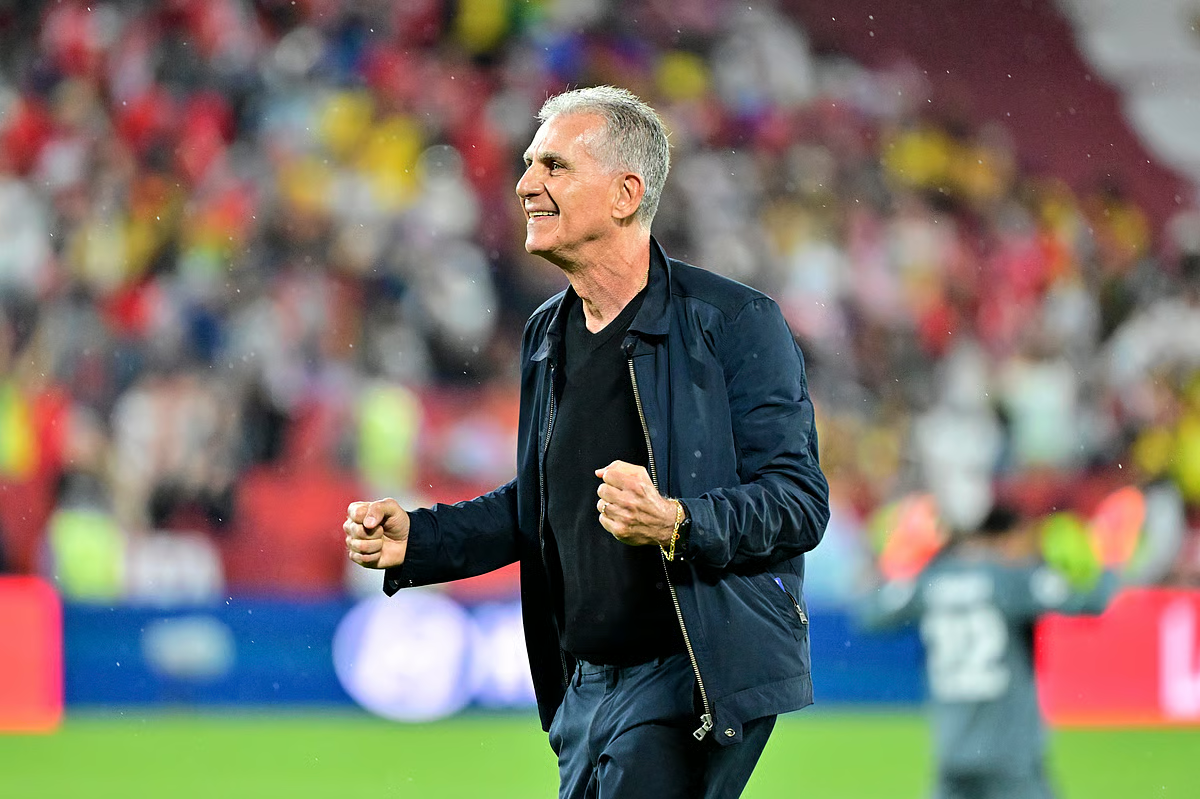
ACCRA, Ghana – Carlos Queiroz spent just over two months as head coach of Ghana’s Black Stars. By the standards of international football, it was barely enough time to introduce new tactical ideas, build relationships with players or reshape the identity of a national team. Reuters reported that Queiroz replaced Otto Addo only 72 days before the FIFA World Cup and oversaw just one international friendly before the tournament began.
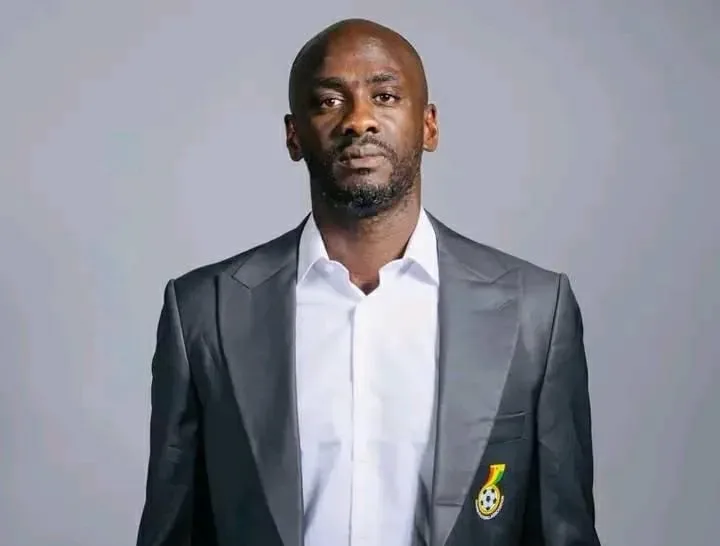
His tenure ended soon after Ghana’s 1-0 Round of 32 defeat to Colombia, bringing another chapter in the Black Stars’ long history of managerial change to a close.
Yet the resignation itself is unlikely to be the lasting story. Instead, it is the message Queiroz chose to leave behind that deserves closer examination.
Rather than criticising individual players, questioning refereeing decisions or discussing tactical shortcomings, the Portuguese coach directed attention towards something less visible but potentially far more important.
“The future of the Black Stars will not be built only on the pitch,” he wrote in his farewell message. “Success must start off the field by creating the best possible environment to prepare, protect and develop Ghana’s extraordinary football talent.”
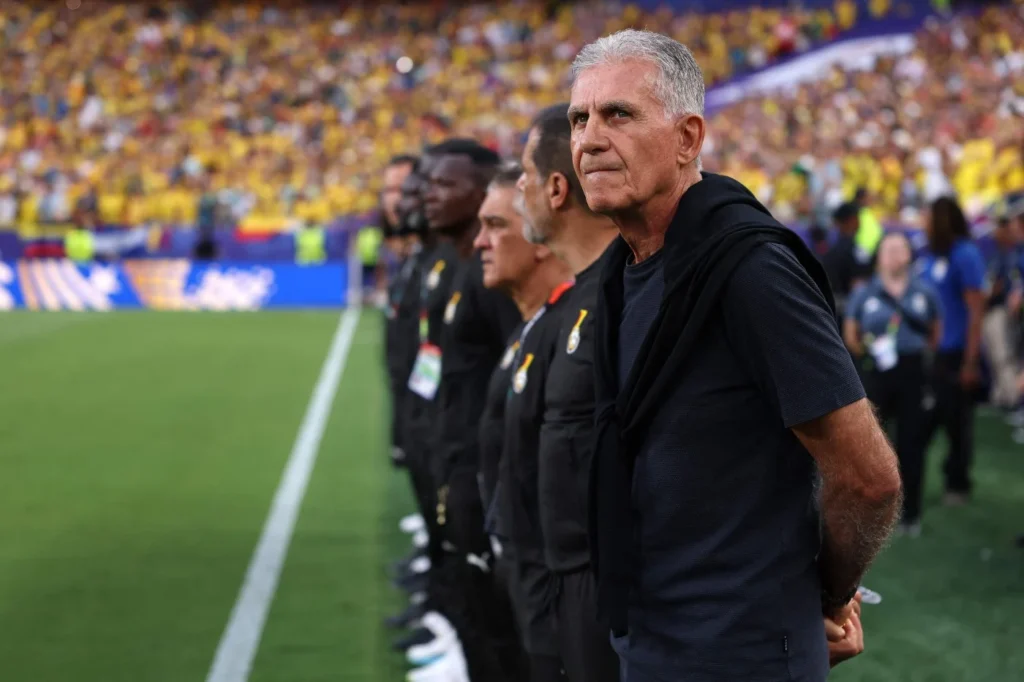
Those words landed differently because they came from a coach whose career has spanned some of international football’s most demanding environments. Queiroz has managed Portugal, Iran, Colombia and Egypt, worked alongside Sir Alex Ferguson at Manchester United, and has now taken teams to five successive FIFA World Cups.
Whether supporters ultimately judge his short spell in Ghana as successful or disappointing, his final argument raises a broader question. Has Ghana become too focused on changing coaches and not focused enough on strengthening the systems that surround them?
Carlos Queiroz Exit: Why Ghana Football Must Look Beyond the Next Black Stars Coach
Ghana’s next coaching appointment will dominate the headlines. But the bigger question is whether the Black Stars’ latest reset will lead to deeper reform in governance, player development, technical planning and performance infrastructure.
Key Takeaways
- Ghana must appoint Carlos Queiroz’s successor, but the decision alone will not solve deeper football questions.
- The Black Stars remain one of Africa’s most respected national teams, with five World Cup appearances and four AFCON titles.
- Queiroz’s short tenure highlights the limits of judging coaches without considering preparation time and institutional support.
- The wider debate should focus on youth development, domestic football, sports science, governance and long-term planning.
Why This Matters Now
The immediate priority for the Ghana Football Association is to appoint Carlos Queiroz’s successor.
That decision will dominate headlines in the coming weeks. History suggests it will also dominate public debate.
Names will be linked with the vacancy. Tactical philosophies will be scrutinised. Questions will be asked about whether Ghana should appoint another foreign coach or return to a domestic candidate.
Those are legitimate discussions. But they also risk repeating a familiar cycle.
Every coaching appointment generates optimism. Every disappointing tournament creates calls for change. Yet the structural questions surrounding youth development, domestic football, sports science, technical planning and long-term governance often receive far less sustained attention.
Queiroz’s farewell has reopened those questions. Whether Ghana acts on them may prove more significant than the identity of the next coach.
Ghana by the Numbers
Understanding Queiroz’s argument requires stepping back from one tournament and looking at Ghana’s broader football trajectory.
World Cup appearances 5
Best World Cup finish Quarter-finals, 2010
AFCON titles 4
Recent World Cup outcome Round of 32
Recent World Cup campaign
- Defeated Panama.
- Drew with England.
- Lost to Croatia.
- Qualified for the Round of 32.
- Eliminated 1-0 by Colombia.
Those results reflect a team capable of competing against high-quality opposition. They also illustrate how fine the margins have become.
Against Colombia, Ghana defended resolutely for much of the match but failed to register a single shot on target. That statistic did not simply explain one defeat; it highlighted recurring questions about creativity, attacking cohesion and preparation against elite opponents.
The issue is not whether Ghana continues to produce talented footballers. It clearly does. The issue is whether the structures surrounding those players are evolving quickly enough to match the demands of modern international football.
A Coach Hired for a Sprint
One of the most overlooked aspects of Queiroz’s tenure is the timing of his appointment.
International football managers are often judged by tournament results. Less attention is given to how much preparation time they actually receive.
Queiroz inherited Ghana only weeks before the World Cup. He had limited opportunities to implement tactical changes, assess players in competitive matches or develop the kind of shared understanding that successful international teams usually build over months or years.
This does not excuse every performance. Neither does it guarantee success under different circumstances. It does, however, provide important context.
Evaluating coaches without considering the conditions in which they work risks oversimplifying complex sporting outcomes.
Ghana reached the knockout phase despite those constraints before narrowly losing to Colombia. That record is neither a triumph nor a failure. It is evidence of a team that remained competitive while still confronting familiar limitations.
Reporting vs Analysis
What We Know
- Carlos Queiroz has resigned as Black Stars head coach.
- He called for stronger football structures away from the pitch.
- Ghana reached the Round of 32 before losing to Colombia.
- The Ghana Football Association must appoint a new coach before its next competitive fixtures.
What We Do Not Yet Know
- Who will become the next Black Stars coach.
- Whether the GFA will introduce wider structural reforms alongside the appointment.
- How Queiroz’s recommendations will influence future football policy.
- Whether his observations will shape long-term investment in player development and performance infrastructure.
Separating established facts from unanswered questions is important. It prevents analysis from becoming speculation.
What the Queiroz Exit Really Reveals
Football supporters naturally judge coaches by wins, defeats and trophies. Administrators often judge them by qualification campaigns. History, however, tends to judge them by the questions they leave behind.
Carlos Queiroz’s resignation may eventually become a footnote in Ghana’s football history. His warning about the systems that underpin success could prove considerably more enduring.
If Ghana responds only by appointing another coach, little may change.
If it treats his farewell as an invitation to examine how the country’s football institutions prepare, support and develop elite teams, then this brief managerial chapter may have a much longer legacy than anyone expected.
Frequently Asked Questions
Why does Carlos Queiroz’s resignation matter for Ghana football?
It matters because it raises questions beyond one coaching change, including governance, preparation, youth development, sports science and the long-term structure of Ghana football.
What should Ghana focus on after appointing a new Black Stars coach?
Ghana should focus on stronger technical planning, better domestic football structures, elite player pathways, performance analysis and sustained investment in football infrastructure.
Related posts:
 Young Ghanaian Lawyer Dies After Collapse During World Cup Celebrations
  Carlos Queiroz’s Farewell Exposes the Challenge Facing Ghana Football
  Black Stars Denied Late Win, But Queiroz Sees Encouraging Signs Ahead of World Cup
  Thomas Partey to Miss Ghana’s World Cup Opener After Canada Rejects Visa Appeal
  Ghana Black Stars qualify for FIFA World Cup Round of 32 before Croatia showdown