Nigeria court sentences pastor to death over daughter’s murder
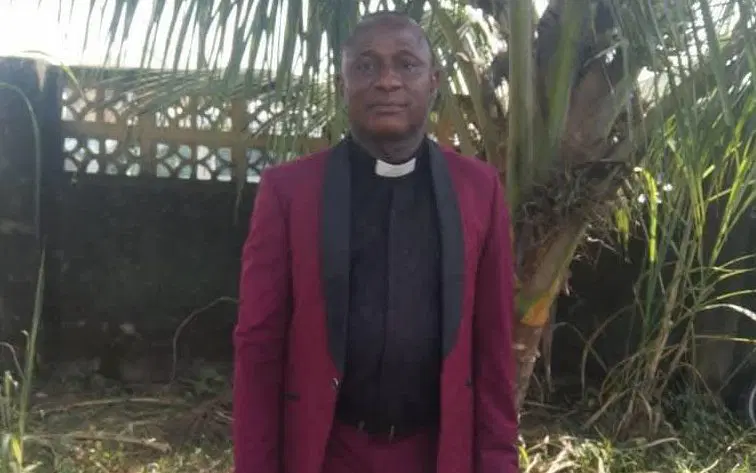
A Nigerian court has sentenced pastor Ubong Bassey Etim to death for murdering his 16-year-old daughter after she was falsely accused of witchcraft.


Follow Nukunya
Get the latest breaking news and updates from Nukunya.
A High Court in Calabar has sentenced Apostle Ubong Bassey Etim to death by hanging after convicting him of murdering his 16-year-old daughter, Deborah Bassey. Child-rights campaigners said the case exposed the lethal consequences of witchcraft accusations against vulnerable children.
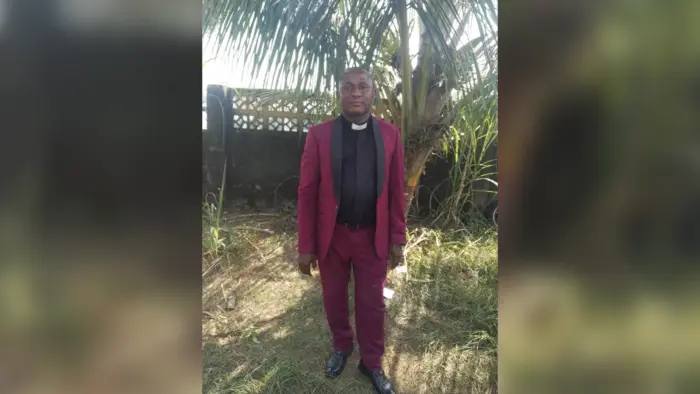
CALABAR, Nigeria — A High Court in southern Nigeria has sentenced a pastor to death by hanging after convicting him of murdering his 16-year-old daughter, who campaigners said had been falsely accused of witchcraft. Justice Blessing Egwu of High Court No. 11 in Calabar found 51-year-old Apostle Ubong Bassey Etim guilty of killing Deborah Bassey, a teenager who lived with Down syndrome. The court imposed the death sentence after finding that the prosecution had proved the murder charge beyond reasonable doubt, according to separate reports of the judgement.
The case was heard as State v Ubong Bassey Etim, suit number HC/54c/2025.
What the court heard
Deborah was killed on 15 February 2025 after being branded a witch, the reports said. The Guardian Nigeria reported that the court heard she was killed after her father accused her of witchcraft. CrossRiverWatch and Vanguard similarly described the allegation against the teenager as false.
The available reports do not provide a full account of the evidence presented at trial or the court’s complete written reasoning. Nukunya News has therefore limited its account to the judgement details reported consistently across the three publications. The conviction concluded a case that had drawn concern from child-protection organisations over violence linked to witchcraft accusations, particularly against children with disabilities.
Rights group calls verdict a milestone
The Basic Rights Counsel Initiative, which supported efforts surrounding the prosecution, described the ruling as an important development in the fight against child abuse and witchcraft branding. Its principal counsel, James Ibor, said the judgement affirmed that every child had a right to life, dignity and protection. The organisation said witchcraft accusations could expose children to rejection, abandonment, physical abuse and, in the most serious cases, death. It also praised the Nigeria Police Force, prosecutors and the Cross River State Ministry of Justice for their roles in securing the conviction.
Support for Deborah’s family
Campaign groups including Women Arise, Safe Child Africa and Project Alert were reported to have supported Deborah’s mother and siblings during the proceedings. CrossRiverWatch said assistance included financial and psychosocial support throughout the trial. The rights organisation said the judgement should strengthen public education and enforcement against accusations that stigmatise children, particularly those living with disabilities.
A wider child-protection concern
The case has renewed scrutiny of witchcraft branding in parts of Nigeria, where campaigners have documented children being blamed for illness, death, financial hardship or other family misfortunes. Children with disabilities can face heightened risks where medical conditions are misunderstood or interpreted through harmful beliefs. Advocates say criminal prosecutions are important but must be accompanied by community education, disability awareness, accessible social services and stronger systems for reporting suspected abuse. The Calabar ruling establishes criminal responsibility in Deborah’s case. It also places renewed attention on the institutions responsible for identifying and protecting children at risk before abuse becomes fatal.
Key Facts
The principal details reported from the High Court judgment concerning the killing of 16-year-old Deborah Bassey.
| Convicted person | Apostle Ubong Bassey Etim |
|---|---|
| Age | 51 |
| Victim | Deborah Bassey |
| Victim’s age | 16 |
| Court | High Court No. 11, Calabar |
| Judge | Justice Blessing Egwu |
| Case number | HC/54c/2025 |
| Offence | Murder |
| Sentence | Death by hanging |
| Date of killing | |
| Reported context | Deborah lived with Down syndrome and had reportedly been falsely accused of witchcraft. |
Public-interest context
Why This Matters
The judgment addresses an individual murder, but it also highlights the broader dangers faced by children accused of witchcraft.
The case is particularly significant because Deborah lived with Down syndrome. Disability-rights and child-protection organisations have repeatedly warned that stigma, misinformation and limited access to support can leave vulnerable children exposed to neglect, abuse and violence.
A criminal conviction can impose accountability after an offence. Preventing similar deaths requires earlier intervention by families, schools, health services, social-welfare agencies, faith leaders and law-enforcement bodies.
Why Vulnerable Children Can Be at Greater Risk
Disability Stigma
Misunderstanding of intellectual or developmental disabilities can expose children to discrimination, isolation and abuse.
Witchcraft Accusations
False spiritual accusations can be used to justify punishment, abandonment or violence against children.
Weak Support Systems
Families may lack access to appropriate healthcare, education, counselling and social-welfare support.
Delayed Intervention
Warning signs can be missed where schools, health professionals, neighbours and public agencies do not share concerns promptly.
Prevention framework
What Earlier Protection Should Involve
Preventing similar cases requires coordinated safeguarding rather than relying only on criminal justice after harm has occurred.
- 01 Family support
Families caring for children with disabilities need access to information, counselling and practical assistance.
- 02 School safeguarding
Teachers should be equipped to identify abuse, discrimination and unexplained absences or injuries.
- 03 Health and disability services
Medical and social-care professionals can help families understand disability and challenge harmful misinformation.
- 04 Social-welfare intervention
Welfare agencies should investigate credible risks and coordinate safe accommodation where necessary.
- 05 Faith-leader responsibility
Religious leaders should reject harmful accusations and refer suspected abuse to the appropriate authorities.
- 06 Effective law enforcement
Police should respond promptly to threats, assault, unlawful detention and other safeguarding concerns.
Key Takeaways
- 01
Apostle Ubong Bassey Etim was convicted of murdering 16-year-old Deborah Bassey.
- 02
The High Court in Calabar imposed a death sentence.
- 03
Deborah lived with Down syndrome and was reportedly falsely accused of witchcraft.
- 04
The case highlights the heightened safeguarding risks faced by children with disabilities.
- 05
Preventing similar deaths requires coordinated action before abuse escalates.
Related posts:
 Nigeria Warns Against Reprisal Attacks Amid South Africa Anti-Migrant Tensions
  Two Nigerians Arrested After Alleged Murder of Compatriot in Tamale, Police Say
  Four Sentenced to Death Over Nigeria’s Deadly Owo Church Attack
  Nigeria seeks compensation from South Africa over migrant property losses
  Ghana Police Arrest 44 as Ashanti Drug Network Allegedly Targeting University Students Is Dismantled