
Ghana warns over jobs in Iraq and Syria as missions receive approval to help hospitalised workers
Ghana has warned prospective migrant workers about unverified jobs in Iraq and Syria while announcing medical and return-home assistance for hospitalised domestic workers abroad.

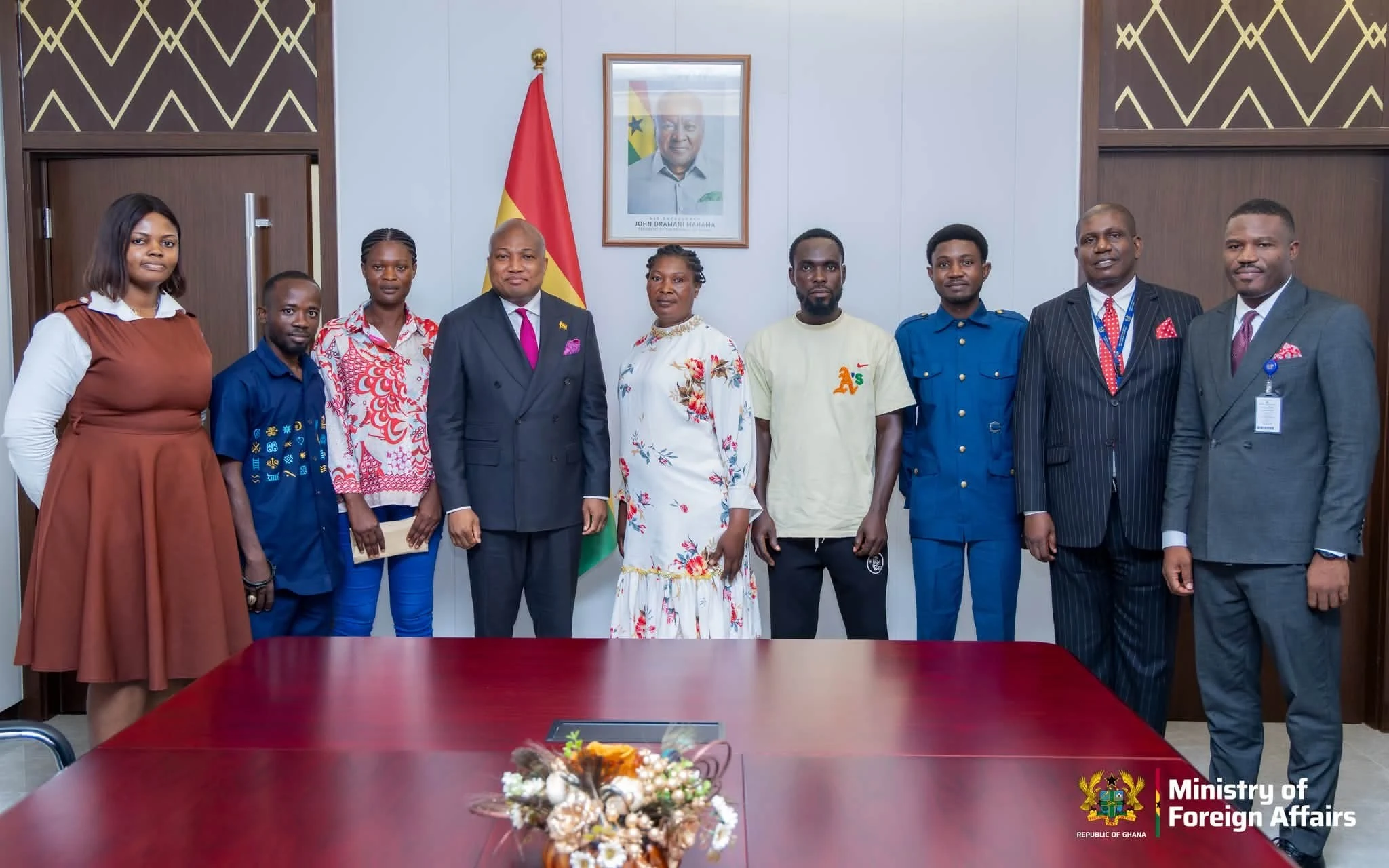

Ghanaians considering domestic employment in Iraq and Syria face a renewed government warning over unsafe recruitment arrangements, as diplomatic missions receive authorisation to assist hospitalised Ghanaian domestic workers overseas. Two announcements on 26 November 2026 address different aspects of the same problem: preventing exploitation before departure and helping citizens who encounter serious harm abroad.
Medical assistance and return to Ghana
Foreign Affairs Minister Samuel Okudzeto Ablakwa announced that several diplomatic missions had been authorised to cover hospital expenses, help affected domestic workers leave hospital and arrange their journey home. The announcement did not identify every participating mission or establish how many workers would receive assistance. The geographical scope and number of beneficiaries had not been specified.
The decision follows an alleged assault on a Ghanaian domestic worker in Iraq who subsequently returned home. An official government account published on 24 November confirms that the minister met the worker and her family and discussed medical care, psychological support and efforts to pursue accountability.

Working Abroad: Know Before You Go
Understanding Ghana’s employment advisory concerning Iraq and Syria, recruitment risks and available consular assistance.
This guide provides general information. It is not a live travel advisory, legal assessment or guarantee of employment safety.
Is recruitment to Iraq or Syria banned?
The announcements described in this article do not establish a general recruitment ban. A government advisory and an enacted legal restriction are different measures.
Iraq
Prospective workers have been advised to establish the legitimacy of recruitment agencies and employers.
Proposed restriction
Ghana’s government has reportedly been considering a suspension of domestic-worker recruitment to Iraq.
The reports reviewed for this article do not establish that the proposed suspension has been enacted.
Syria
Syria is also covered by the reported Foreign Affairs Ministry advisory concerning overseas employment risks.
Recruitment status
The announcements described in this article do not establish a general recruitment ban for Syria.
| Measure | Meaning | Reported status |
|---|---|---|
| Employment advisory | Official guidance concerning employment-related risks. | Reported for Iraq and Syria. |
| Proposed suspension | A restriction under consideration, rather than necessarily in force. | Reportedly under consideration for domestic-worker recruitment to Iraq. |
| Enacted restriction | A legally effective restriction with defined scope and requirements. | Not established in the announcements described in this article. |
Eight checks before accepting overseas employment
Prospective workers should independently establish the legitimacy of recruitment arrangements before making financial or travel commitments.
Completing this checklist does not certify that an employer, destination or employment arrangement is safe. No personal information is collected or persistently stored by this tool.
Recognising potential warning signs
Unverifiable employer
The recruiter refuses to disclose the employer’s identity, address or workplace.
Unexplained recruitment payments
An intermediary demands substantial payments without transparent documentation.
Contract substitution
Salary, duties or employment conditions change unexpectedly after an agreement has been reached.
Passport confiscation
A recruiter or employer insists on retaining identification documents against the worker’s wishes.
Restricted communication
Workers are discouraged or prevented from contacting relatives or independent assistance services.
Pressure to travel immediately
An intermediary demands travel before employment and immigration arrangements can be independently verified.
These are general indicators of potential recruitment abuse. They are not findings against any named recruiter or employer.
Worker protection at every stage
Before accepting employment
Verify the recruitment agency, employer and written employment terms.
Before travelling
Consult current official travel guidance, establish appropriate immigration permission and prepare secure access to essential documents and assistance contacts.
While working abroad
Maintain access to trusted contacts and independent support services. Seek appropriate assistance when working conditions become unsafe.
Returning to Ghana
Returning workers may require healthcare, legal assistance, psychosocial support, employment services and mechanisms for reporting exploitation.
This is an editorial worker-protection framework. It does not establish that all listed support services are currently available.
Where affected Ghanaian workers can seek help
According to the reports described in this article, affected workers in Iraq and Syria have been directed towards the following official assistance channels.
Ghana’s Embassy in Kuwait
Identified in the reports as a consular assistance channel for affected Ghanaian workers in Iraq and Syria.
Consular and Humanitarian Affairs Bureau
Ministry of Foreign Affairs, Ghana. Consult the ministry for current assistance arrangements.
Current telephone numbers, email addresses, operating hours and emergency assistance arrangements should be confirmed directly with the ministry.
What Ghana should measure next
Emergency assistance is important, but preventing repeated exploitation also requires transparent recruitment oversight, accessible reporting channels and appropriate support for returning workers.
| Dimension | Proposed indicator | Purpose |
|---|---|---|
| Recruitment oversight | Accessible register of authorised recruitment agencies and their status. | Improve independent verification. |
| Contract transparency | Documented employment terms and accessible pre-departure guidance. | Reduce information asymmetry. |
| Complaint accessibility | Availability of confidential and accessible reporting channels. | Enable workers to report exploitation. |
| Consular responsiveness | Time between assistance requests and initial substantive responses. | Assess responsiveness to worker needs. |
| Case resolution | Documented outcomes of assistance requests, reported in aggregate. | Assess whether support addresses reported needs. |
| Recruitment enforcement | Investigations and enforcement outcomes concerning recruitment violations. | Assess regulatory accountability. |
| Return and reintegration | Access to appropriate recovery, legal and employment support. | Support sustainable reintegration. |
| Worker outcomes | Independently assessed employment conditions and worker experiences. | Examine protection beyond administrative activity. |
These are proposed indicators, not recorded government performance statistics. Reporting should protect worker identities and avoid exposing vulnerable individuals.
Overseas recruitment and worker protection explained
Has Ghana banned recruitment to Iraq and Syria?
The announcements described in this article do not establish a general recruitment ban. A suspension of domestic-worker recruitment to Iraq has reportedly been under consideration. Consult current official government guidance.
Does a registered recruitment agency guarantee safety?
No. Agency verification is an important precaution, but employment conditions, employer legitimacy, immigration requirements and access to assistance must also be assessed.
What should an overseas employment contract establish?
Workers should understand the employer’s identity, salary, deductions, duties, working hours, accommodation and applicable employment conditions.
What if an employer retains a worker’s passport?
Involuntary retention of identification documents is a potential warning sign. Workers should seek appropriate independent or consular assistance when it is safe to do so.
Where can affected Ghanaians seek assistance?
The reports identify Ghana’s embassy in Kuwait and the Ministry of Foreign Affairs’ Consular and Humanitarian Affairs Bureau. Current contact information should be confirmed through the ministry’s official website.
Does completing the checklist mean it is safe to travel?
No. The checklist is a general verification aid, not a safety assessment or official travel authorisation. Current official guidance remains essential.
Overseas employment should not come at the expense of human dignity
International employment can provide economic opportunities. However, those opportunities should be accompanied by transparent recruitment arrangements, appropriate employment conditions and accessible worker protections.
Ghana’s response should ultimately be assessed not only through advisories and proposed restrictions, but through evidence that workers can obtain meaningful assistance and protection in practice.
Nukunya — Beyond the headlines. Evidence, context and perspective.Sources and editorial methodology
Official institutional reference: Ministry of Foreign Affairs, Ghana .
The recruitment advisory and proposed suspension are described in the accompanying article. Readers should consult the original government notices for current requirements.
Editorial methodology
The recruitment checklist, migration journey framework, warning signs and proposed monitoring indicators are general editorial additions. They are not validated safety assessment tools or official government performance measures.
Limitations
This guide does not independently establish the current legal status of recruitment restrictions, individual employer legitimacy, destination safety or the availability of particular assistance services.
This information is not individual legal, immigration or travel advice.
Related posts:
 Ghana Evacuates 345 More Citizens from South Africa as Other African States Study Rescue Plan
 Ghanaians Recruited Into Russia-Ukraine War: 272 Drawn Into Conflict, 55 Dead
 Ghana Signs Russia Jobs Deal, but 75,000 Vacancies Are Not Reserved for Ghanaians
 Ghana Parliament Passes Human Sexual Rights and Family Values Bill
 Ghana moves nearly 900 citizens to safe havens ahead of South Africa protests